
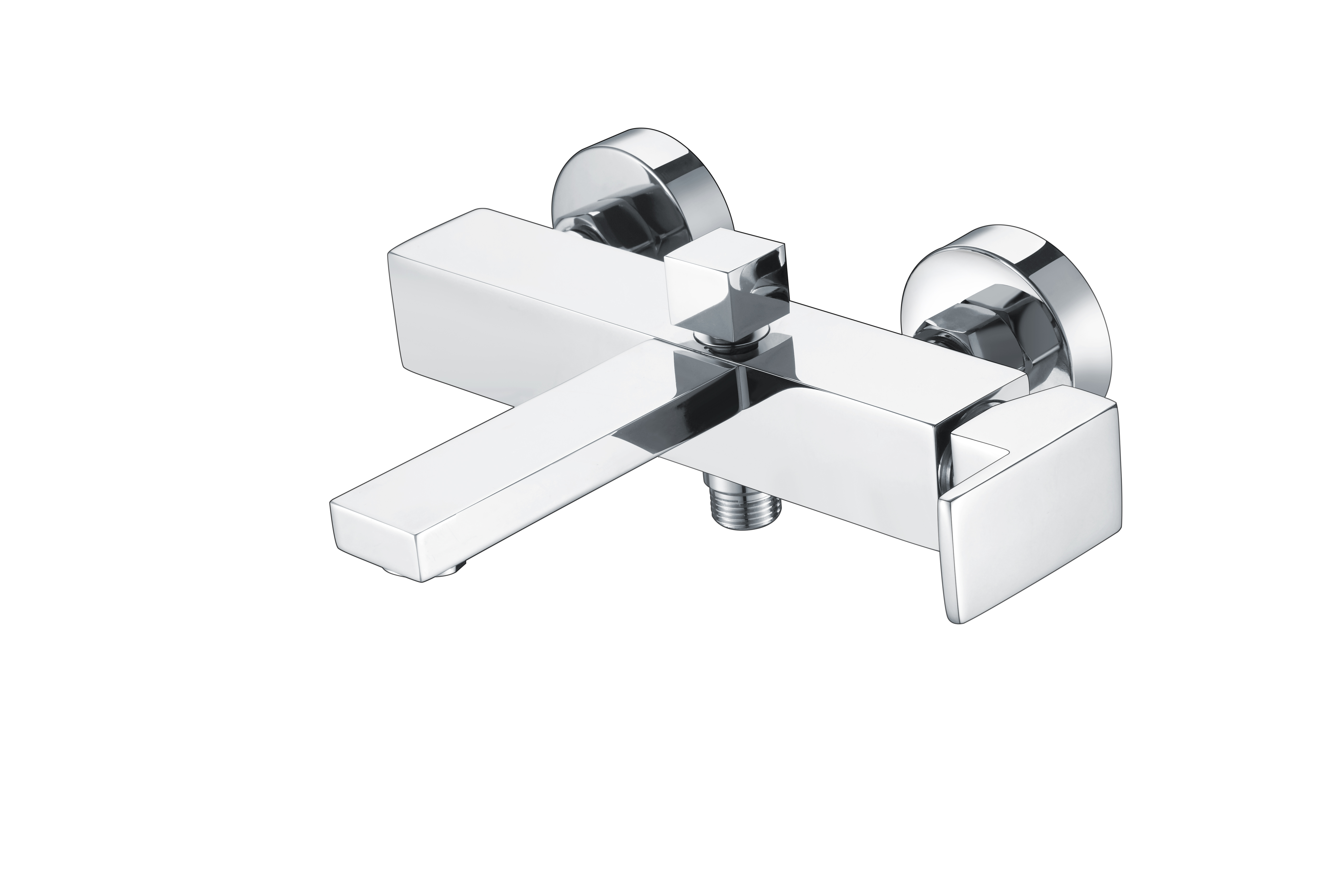
When designing or renovating a bathroom, one of the most important yet often overlooked elements is the bathroom faucet. While faucets may seem like small details in the grand scheme of a bathroom design, they have a significant impact on both the functionality and aesthetic appeal of the space. Whether you’re upgrading an old Bathroom Faucet or installing a brand-new one, choosing the right bathroom faucet can transform the look of your bathroom while providing practical benefits.
What is a Bathroom Faucet?
A bathroom faucet is a plumbing fixture that controls the flow and temperature of water to a sink or washbasin. Faucets come in a variety of designs and configurations, catering to different needs and preferences. Depending on the type of faucet, they can be operated manually (through knobs or handles) or electronically (with touchless or sensor technologies).
Types of Bathroom Faucets
There is a wide range of bathroom faucets to choose from, each with unique features and designs. Below are some of the most popular types:
- Single-Hole Faucets: Single-hole faucets are ideal for modern and minimalist bathroom designs. As the name suggests, these faucets require only one hole in the sink for both the spout and handle. They are space-saving and sleek, with many options featuring integrated handles for adjusting water temperature and flow.
- Widespread Faucets: Widespread faucets consist of three separate components: the spout and two handles. These faucets require three separate holes to be drilled into the sink or countertop. Widespread faucets are favored for their traditional look and versatility in adjusting the distance between the handles, allowing for customization in design.
- Centerset Faucets: Centerset faucets are designed for sinks with three pre-drilled holes. The faucet has a single base where the spout and handles are mounted together, making installation easier than with widespread faucets. These faucets are often compact and perfect for smaller bathrooms or those looking for a more practical, streamlined design.
- Wall-Mounted Faucets: Wall-mounted faucets are installed on the bathroom wall, as opposed to the sink or countertop. This type of faucet is a popular choice for vessel sinks or for creating a unique, modern look. Wall-mounted faucets can offer a clean, minimalistic appearance and are great for freeing up space on the countertop.
- Touchless Faucets: Touchless faucets are an increasingly popular choice for modern bathrooms. These faucets use sensors to detect motion, activating the flow of water when hands are placed under the spout. Not only are they hygienic and convenient, but they also help to conserve water by shutting off automatically when not in use.
- Pull-Down or Pull-Out Faucets: Though more commonly seen in kitchens, pull-down or pull-out faucets are also a functional option for bathroom sinks, especially in larger vanity areas. These faucets allow the user to pull the spout down or out to reach different areas of the sink for cleaning or rinsing.
Materials and Finishes
Bathroom faucets come in a variety of materials and finishes, which can impact both their durability and appearance. Some popular materials and finishes include:
- Chrome: Chrome is one of the most common finishes for bathroom faucets due to its shiny, reflective surface and resistance to tarnishing. It’s an affordable and versatile finish that complements a variety of bathroom styles, from traditional to contemporary.
- Brushed Nickel: Brushed nickel faucets offer a more muted and sophisticated look compared to chrome. This finish is resistant to fingerprints and water spots, making it easy to maintain. It pairs well with many bathroom designs and provides a timeless, elegant feel.
- Oil-Rubbed Bronze: Oil-rubbed bronze is a darker, rustic finish that provides a vintage and antique look. This finish is ideal for bathrooms with a more traditional or vintage design, adding warmth and depth to the space.
- Matte Black: Matte black faucets have become increasingly popular for modern and industrial bathroom designs. Their bold and sleek appearance adds a contemporary touch and can create striking contrast in lighter-colored bathrooms.
- Polished Brass or Gold: Polished brass and gold finishes are making a comeback in modern bathroom designs, offering a luxurious, high-end look. These faucets can bring a sense of opulence to your bathroom and are particularly well-suited to luxurious or vintage-inspired spaces.
Key Considerations When Choosing a Bathroom Faucet
Choosing the right bathroom faucet requires considering several factors to ensure it meets both your aesthetic preferences and practical needs. Here are a few key things to keep in mind:
- Functionality: Think about how the faucet will be used. If you need a faucet for a large vanity with two sinks, a widespread faucet might be ideal. For smaller spaces or minimalist designs, a single-hole or centerset faucet may work better.
- Water Flow Rate: The water flow rate, measured in gallons per minute (GPM), is an important consideration for efficiency. Many modern faucets are designed to conserve water by offering flow rates of 1.5 GPM or lower, which can reduce water usage and your utility bills.
- Installation Requirements: Ensure that the faucet you select is compatible with your sink’s pre-drilled holes or installation space. If you’re replacing an existing faucet, make sure the new model can be easily installed without major modifications to your sink or plumbing.
- Style and Design: The faucet should complement the overall design of your bathroom. Whether you’re going for a modern, traditional, industrial, or minimalist look, there’s a faucet design that can enhance your bathroom’s aesthetics.
- Durability and Maintenance: Bathroom faucets are subject to frequent use and exposure to water, so choose one made from durable materials. Consider finishes that are easy to clean and resistant to corrosion or tarnishing, ensuring the faucet retains its beauty over time.
Conclusion
A bathroom faucet may seem like a minor fixture, but it plays a critical role in both the functionality and overall design of your bathroom. Whether you prioritize style, water efficiency, or ease of use, there’s a faucet to suit every need. With a wide array of types, materials, and finishes to choose from, the right bathroom faucet can elevate the look of your space while providing lasting convenience. So, whether you’re embarking on a complete bathroom renovation or simply updating an outdated fixture, don’t underestimate the impact of a well-chosen bathroom faucet.