
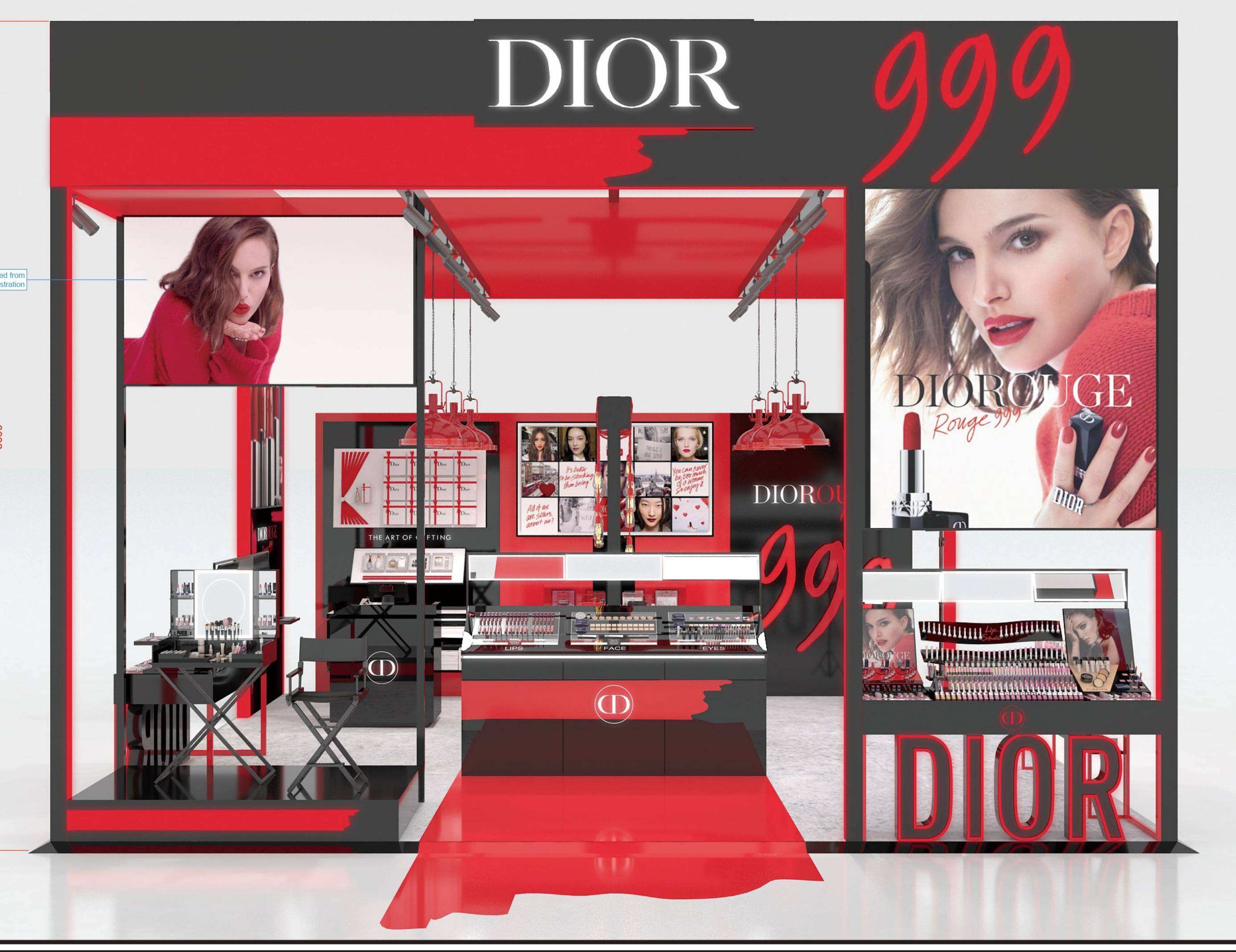
In a world increasingly saturated with filters, trends, and ten-step skincare routines, the realm of beauty and personal care stands at a curious intersection of identity, consumerism, and self-respect. But what if beauty wasn’t something we pursued—but something we protected?
The Invisible Origins of Beauty
Beauty has always been more than skin deep, yet today’s $500 billion industry Beauty & Personal Care often measures it in ounces, shades, and serums. Historically, beauty was symbolic—a reflection of inner balance, social harmony, and even spiritual health. In ancient Japan, skincare was a meditative practice, not a market. In Ethiopia, hair braiding was (and still is) a ritual of community and storytelling, not just aesthetics.
We’ve traveled far from those roots, but echoes remain. Personal care is still deeply ritualistic; it’s the modern person’s quiet rebellion against chaos—a moment of control in an uncontrollable world.
Skincare as a Political Act
In an age of overstimulation, simply taking care of your skin is not vanity—it’s resistance. When a person prioritizes themselves in a society that profits from their insecurity, self-care becomes political. For marginalized communities especially, beauty rituals are both armor and affirmation.
For example, the natural hair movement among Black women isn’t just about aesthetics—it’s a rejection of Eurocentric beauty standards and a celebration of identity. Similarly, the increasing visibility of skincare among men is dismantling toxic masculinity, one moisturizer at a time.
The Science of Self-Compassion
Recent research in psychology suggests that personal care routines improve mental health—not just because of their outcomes, but because of the rituals themselves. Applying lotion, washing your face, or massaging your scalp engages the parasympathetic nervous system, reducing cortisol and promoting calm.
In other words, your skincare routine isn’t superficial. It’s biological. It’s self-communication.
Ethical Beauty: The Future Is Transparent
Consumers today are savvier and more ethical than ever before. The rise of clean beauty, cruelty-free products, and zero-waste packaging shows a growing demand not just for efficacy, but for integrity. Beauty brands are being held accountable, and transparency is the new luxury.
As biotechnology evolves, lab-grown ingredients are replacing animal-derived ones. AI is personalizing skincare like never before. And yet, even the most high-tech serum can’t replace the human need for touch, ritual, and reflection.
Redefining the Standard
The greatest shift in beauty today isn’t technological—it’s philosophical. We’re moving from aspiration to authenticity. From hiding flaws to honoring them. From altering faces to accepting them.
Beauty is no longer about fitting into molds but breaking them.
Conclusion: A Mirror, Not a Mask
True personal care doesn’t begin at the cosmetic counter—it begins with curiosity and compassion. It asks not, “How do I look?” but “How do I feel?” The future of beauty will not be defined by perfection, but by presence.