
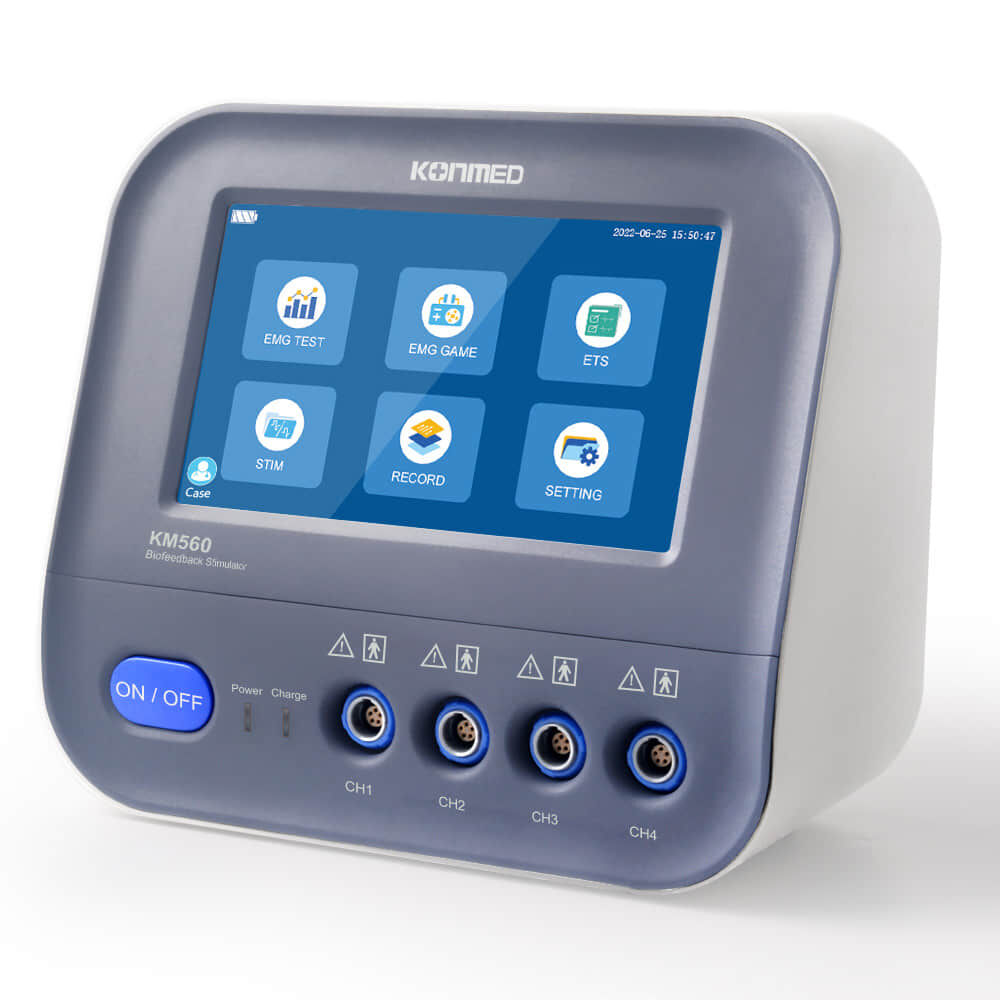
Biofeedback, a therapeutic technique that uses real-time information about physiological processes, has steadily gained recognition in clinical settings for its ability to empower individuals to control their bodily functions. By monitoring variables such as heart rate, muscle tension, and brainwave activity, biofeedback provides immediate feedback to patients, enabling them to develop awareness and control over physiological responses Biofeedback for Clinical that they would typically not be conscious of. This article explores the clinical applications of biofeedback, examining its growing role in healthcare, how it works, and the potential benefits it offers for managing chronic conditions, improving mental health, and enhancing overall well-being.
What is Biofeedback?
Biofeedback is a non-invasive therapeutic technique that enables individuals to learn how to regulate bodily functions through conscious control. The technology used in biofeedback systems typically involves sensors attached to the body that measure physiological functions such as heart rate, skin temperature, muscle tension, respiratory rate, and brainwave patterns. These readings are then converted into visual, auditory, or tactile signals that allow the individual to become aware of the physiological changes occurring within their body.
Unlike traditional medical interventions, which often rely on medications or surgeries to treat conditions, biofeedback teaches individuals to modify their internal states, thereby fostering self-regulation and promoting holistic healing. The mind-body connection is central to the practice, as biofeedback encourages patients to consciously influence physiological responses that are typically automatic.
Mechanisms of Action: How Biofeedback Works
The principle behind biofeedback is simple: By providing immediate feedback on physiological activity, individuals can learn to control these responses through mental or physical exercises. For example, by learning to recognize patterns in their heart rate, an individual may become better equipped to consciously slow it down, achieving a state of relaxation.
When biofeedback is applied in clinical settings, various sensors are used to measure the relevant physiological function:
Electromyography (EMG): Used to measure muscle tension, EMG sensors are placed on the skin over muscle groups to help patients learn to reduce muscle spasms or tension.
Electroencephalography (EEG): EEG biofeedback, also called neurofeedback, measures brainwave activity and helps individuals improve mental focus or reduce symptoms of anxiety or ADHD.
Heart Rate Variability (HRV): By monitoring the variability in heart rate, biofeedback can teach individuals how to manage stress and anxiety.
Skin Conductance and Temperature: These measures help monitor stress levels and are commonly used to treat anxiety disorders.
As the patient observes the real-time feedback, they may use techniques like relaxation, visualization, or breathing exercises to modify physiological responses. Over time, with consistent practice, patients can learn to manage these processes outside the clinical environment, allowing them to maintain control in everyday life.
Clinical Applications of Biofeedback
Pain Management and Chronic Pain:
Biofeedback has become an increasingly popular tool for pain management, particularly for individuals with chronic pain conditions such as fibromyalgia, migraines, and back pain. By training individuals to relax their muscles and regulate autonomic functions, biofeedback helps to reduce the intensity of pain and prevent it from escalating. This approach is particularly effective for individuals who are looking for non-pharmacological alternatives to manage their pain. For example, biofeedback can teach patients to decrease muscle tension in areas of chronic pain or learn to control their body’s response to stress, which can otherwise exacerbate the perception of pain.Anxiety and Stress Reduction:
Stress and anxiety are leading contributors to a variety of health conditions, including high blood pressure, cardiovascular disease, and depression. Biofeedback can be an effective intervention in helping individuals reduce their anxiety levels and achieve better emotional regulation. By providing real-time data on heart rate, respiration, and muscle tension, biofeedback trains individuals to reduce the physical manifestations of stress, which, in turn, helps to improve mental clarity and relaxation.Sleep Disorders:
For people suffering from insomnia or other sleep disturbances, biofeedback has proven to be an effective tool for improving sleep quality. By using biofeedback to regulate breathing and heart rate, individuals can enter a relaxed state conducive to sleep. Additionally, biofeedback for sleep disorders often includes neurofeedback techniques to optimize brainwave patterns, promoting deeper and more restorative sleep. Biofeedback can also help individuals identify and address the underlying causes of insomnia, such as stress or anxiety.Neurofeedback for ADHD:
Neurofeedback, a specific form of biofeedback that targets brainwave activity, has gained significant attention in the treatment of Attention Deficit Hyperactivity Disorder (ADHD). By training individuals to regulate their brainwave patterns, neurofeedback can improve attention, impulse control, and overall cognitive function. This approach aims to normalize brainwave activity, often enhancing the ability to focus and reduce hyperactive behaviors without the need for medication.Cardiovascular Health:
Biofeedback has been used to address cardiovascular issues, particularly hypertension (high blood pressure). Through heart rate variability training, individuals can learn to control their autonomic nervous system and regulate blood pressure. Over time, this can contribute to the management of hypertension and reduce the need for pharmaceutical interventions. Additionally, heart rate biofeedback is used in cardiac rehabilitation to help patients recover after heart attacks or heart surgery by promoting heart health through stress management techniques.Trauma and PTSD Recovery:
For individuals dealing with trauma and post-traumatic stress disorder (PTSD), biofeedback offers a method of self-regulation to manage anxiety and hyperarousal symptoms. By learning to control physiological responses like heart rate, skin conductance, and muscle tension, individuals can reduce the physical symptoms of trauma and regain a sense of control over their bodies. It is particularly useful when combined with other therapeutic approaches, such as cognitive-behavioral therapy (CBT), to treat the psychological aspects of trauma.
The Advantages of Biofeedback in Clinical Settings
Non-Invasive and Drug-Free:
Biofeedback offers a non-invasive alternative to traditional treatment methods. Many clinical conditions that biofeedback addresses are treated with medications, which can have side effects or long-term health consequences. Biofeedback, on the other hand, has minimal risks, with no pharmacological interventions required. As such, it is considered a safe and holistic option for many patients seeking alternative treatment methods.Personalized and Empowering:
Biofeedback is highly personalized, allowing the practitioner to tailor the treatment to each patient’s specific needs. It empowers individuals by giving them the tools to take control of their own health and well-being. Patients are actively involved in their healing process, which can lead to increased motivation and greater treatment adherence.Long-Term Benefits:
One of the most significant advantages of biofeedback is that it can provide long-term benefits. Once patients learn how to regulate their physiological responses, they can use the techniques independently, even after formal therapy ends. This self-sufficiency is a key feature that distinguishes biofeedback from other treatments, offering lasting improvements in stress management, pain control, and emotional well-being.
The Future of Biofeedback in Healthcare
As biofeedback technology continues to evolve, its integration into clinical practice is likely to expand. Advances in wearable devices and real-time monitoring systems promise to make biofeedback more accessible and convenient for patients outside of clinical settings. Additionally, the growing understanding of the mind-body connection is likely to open new frontiers in therapeutic applications, ranging from mental health to chronic disease management.
Moreover, research into biofeedback’s effectiveness in treating a broader range of conditions, such as autoimmune diseases, gastrointestinal disorders, and neurodegenerative diseases, is expected to grow. In the coming years, biofeedback may become an essential part of integrative medicine, bridging the gap between conventional and alternative treatments.
Conclusion
Biofeedback offers a unique and empowering approach to healthcare, providing individuals with the tools to monitor and regulate their physiological responses to stress, pain, and other health challenges. Its non-invasive nature, personalized approach, and long-term benefits make it a valuable therapeutic tool in clinical settings, with applications across a wide range of conditions. As technology continues to improve, the future of biofeedback holds exciting possibilities, promising new avenues for self-regulation and holistic healing. In this era of patient-centered care, biofeedback is more than just a technique—it’s a path to greater self-awareness, personal empowerment, and improved quality of life.