
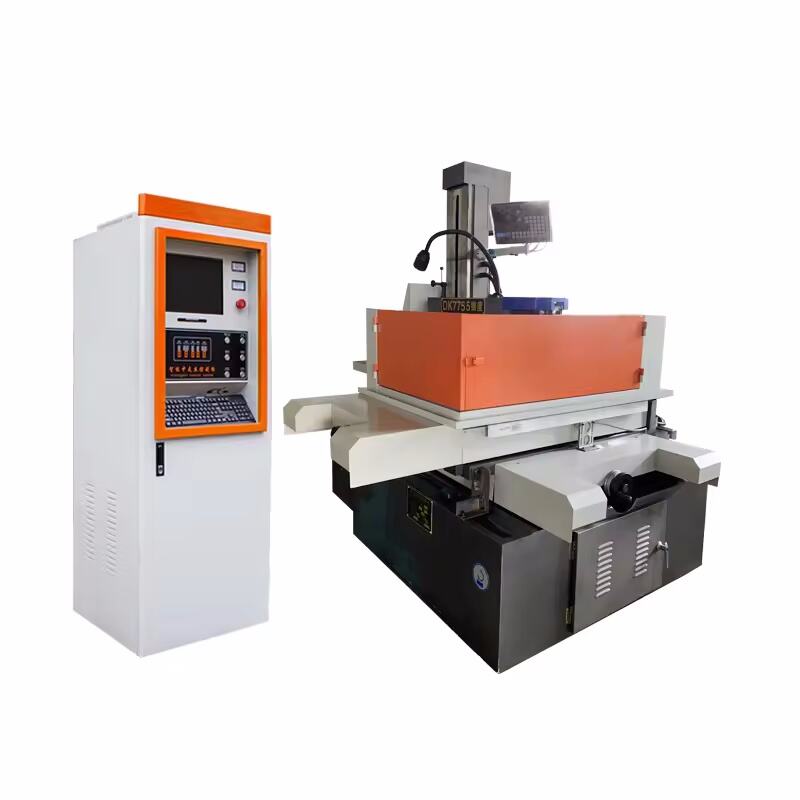
When it comes to Electrical Discharge Machining (EDM), one of the critical components for achieving high-quality results is the EDM cutting wire. This specialized wire plays a pivotal role in the precision and efficiency of the machining process, whether it’s for intricate cuts, tight tolerances, or intricate details. edm cutting wire the best EDM cutting wire for your specific projects can significantly influence the outcome, from part quality to overall operational efficiency. Here, we will explore the factors to consider when selecting the right EDM cutting wire, the types available, and how to optimize its usage for different applications.
Understanding EDM Cutting Wire
EDM cutting wire, also referred to as wire electrode, is a thin, electrically conductive wire used in wire EDM machines. These machines use the wire to cut through a workpiece, usually made of metal, by generating rapid electrical discharges that erode the material, leaving behind a precise cut. The wire itself is often made from high-purity materials like brass, copper, or coated alloys, depending on the type of workpiece and the nature of the job.
The diameter of the wire, its conductivity, strength, and material composition all contribute to how well the wire performs. The wire must also be able to withstand the continuous wear and tear during the cutting process, which can generate significant heat and mechanical stresses. Choosing the appropriate wire ensures that the machining process remains efficient, cost-effective, and yields the desired results.
Factors to Consider When Choosing EDM Cutting Wire
Several factors affect the decision-making process when selecting the best EDM cutting wire for a project. Understanding these factors will help in optimizing the machining operation, enhancing tool life, and minimizing costs.
- Material of the Workpiece
The material you are working with is one of the most significant determinants of the wire you should choose. For softer metals, such as aluminum, a thinner wire may suffice, while harder materials, such as titanium or high-carbon steel, may require a more robust wire. The material properties of the workpiece influence how the wire interacts with it during the cutting process, which can affect the quality of the cut, surface finish, and wire wear rate. - Wire Diameter
The diameter of the EDM cutting wire is critical for determining the size and precision of the cut. A thinner wire (often in the range of 0.05 mm to 0.25 mm) is ideal for high-precision, intricate cuts and delicate geometries. On the other hand, thicker wires (around 0.3 mm to 0.5 mm) are better suited for faster cutting of larger and thicker workpieces, though they may result in slightly rougher edges. - Wire Material
Wire material affects conductivity, cutting speed, and overall wire wear. Common materials for EDM wires include brass, copper, and coated variants such as zinc-coated brass or nickel-coated copper. Brass wires are the most widely used, providing good performance in a variety of materials, while copper wires can offer better cutting performance in specific conditions. Coated wires are designed to reduce wear and improve cutting performance by providing an additional layer of protection. - Cutting Speed and Precision Requirements
If your project requires fast cutting with less concern for the fine details or surface finish, a wire that can provide high cutting speeds is necessary. Conversely, projects that demand high precision, such as aerospace components, medical implants, or intricate tooling, require a wire that can deliver better surface finishes and tighter tolerances. - Surface Finish and Edge Quality
The surface finish required for your project plays a significant role in wire selection. Some wires are optimized for achieving smooth surfaces with minimal heat-affected zones. If your project demands minimal post-processing or requires fine surface details, selecting a wire designed to produce high-quality finishes will help reduce additional finishing work. - Machine Compatibility
Not all EDM machines are compatible with every type of wire. It’s important to ensure that the wire selected is suitable for the specific capabilities of the EDM machine you are using. Different machines have varying tolerances for wire thickness, and the power settings can influence how the wire interacts with the workpiece. - Cost vs. Performance
The cost of EDM cutting wire varies based on material, diameter, and performance features. While high-performance wires may offer better cutting speeds, surface finishes, and longer tool life, they often come at a premium price. Balancing the cost against the performance requirements of your project is important for optimizing the machining process. For many standard applications, a mid-range wire can often suffice without significantly compromising quality.
Types of EDM Cutting Wire
There are several different types of EDM cutting wire available, each suited for specific applications. Understanding the characteristics of these wire types can help you make a more informed decision when choosing the best wire for your project.
- Brass Wire
Brass wire is the most commonly used EDM cutting wire due to its relatively low cost and good conductivity. It provides a balance between cutting speed and precision and is suitable for a wide range of materials, including steels, stainless steels, and alloys. Brass wire is ideal for general-purpose cutting and is typically used in industries like automotive, aerospace, and mold-making. - Copper Wire
Copper wire offers superior conductivity, making it a great choice for faster cutting speeds. It is particularly effective for cutting non-ferrous metals, such as aluminum and copper alloys, which are commonly used in electronics and precision manufacturing. However, copper wire tends to have a shorter life span than brass and requires careful handling to avoid premature wear. - Coated Wire
Coated wires are often used when improved wear resistance or a better surface finish is required. Zinc-coated or nickel-coated brass wires are popular choices, as they can reduce oxidation and improve the wire’s overall longevity. These wires tend to offer better overall cutting performance and reduced wear, making them ideal for more demanding tasks. - Polymer-Coated Wire
In recent years, polymer-coated wires have gained popularity in the EDM industry. These wires feature a thin layer of polymer material that provides lubrication and protection against oxidation. The coating reduces the chances of wire breakage and enhances cutting performance, especially when working with tough materials like tool steels or superalloys.
Optimizing Wire Usage in EDM
Once you’ve selected the appropriate EDM cutting wire for your project, optimizing its usage is crucial to ensure long tool life and minimal downtime. Here are a few tips to help you get the most out of your wire:
- Regularly Monitor Wire Tension
Maintaining proper wire tension is critical to achieving consistent cuts. Too much tension can cause the wire to break, while too little tension can result in poor accuracy or uneven cuts. Make sure to monitor the wire tension regularly during the cutting process. - Proper Machine Setup
Ensure that the wire is properly aligned and that the machine settings are configured to suit the wire type and project requirements. Incorrect settings can lead to poor cut quality, excessive wire wear, or even wire breakage. - Use the Right Power Settings
Adjusting the power settings according to the wire material and workpiece type is essential. Higher power settings generally increase cutting speed but may also reduce wire life or affect the surface finish. Lower power settings, on the other hand, offer finer cuts but might slow down the process. - Ensure Sufficient Cooling
Proper cooling helps to manage the heat generated during the EDM process, reducing wire wear and improving the quality of the cut. Make sure that the cooling system is functioning optimally to maintain the integrity of both the wire and the workpiece. - Regularly Inspect for Wear and Tear
The wire wears out gradually during use, and inspecting it regularly ensures that you can replace it before it leads to operational issues. Replace the wire when you notice excessive wear, breakage, or if the cutting quality starts to degrade.
Conclusion
Choosing the best EDM cutting wire for your project is a crucial step in ensuring that your machining process runs smoothly and delivers high-quality results. By considering factors such as material compatibility, wire diameter, and desired cutting performance, you can make a more informed decision and select the right wire for your specific needs. Additionally, by properly maintaining the wire, ensuring machine compatibility, and optimizing your setup, you can extend the lifespan of your cutting wire, improve cut precision, and reduce overall operational costs. Ultimately, selecting the correct EDM cutting wire will play a significant role in the overall success of your machining operations.