
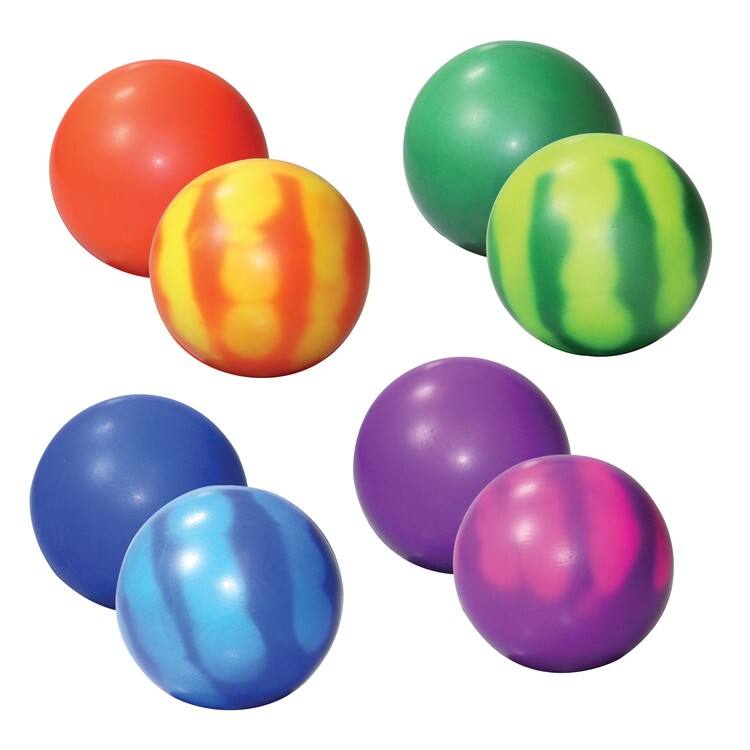
In a world where emotion and technology increasingly intertwine, one curious object bridges ancient intuition with modern thermochromic science: the Colors Changing Mood Balls. Once a novelty on office desks and teen bedrooms, today these orb-like wonders are making a quiet comeback—not just as quirky decor, but as tiny, glowing therapists.
What Is a Mood Ball?
At first glance, a mood ball might seem like just a colorful toy, a marble-sized globe that glows in shifting hues of blue, green, red, and beyond. But beneath its glossy surface is a temperature-sensitive chemical compound—thermochromic liquid crystals or sometimes thermoplastic polymers—that changes color depending on the surrounding temperature.
Since our bodies radiate different levels of heat depending on emotional states (like stress, excitement, or calm), the mood ball becomes a visual feedback loop—a kind of emotional mirror.
The Unlikely Marriage of Chemistry and Emotion
Mood balls trace their science back to the same principles behind old-school mood rings from the 1970s. When our body temperature rises due to excitement or stress, the color shifts. Cool hands? Maybe you’re calm or even a little distant.
But unlike the binary messages of emojis or the rigidity of psychological scales, mood balls speak in gradient language—an emotional spectrum that resists labels. Think of it as synesthesia for the soul.
| Color | Common Interpretation |
|---|---|
| Blue | Calm, relaxed |
| Green | Balanced, neutral |
| Yellow | Energetic, optimistic |
| Red | Passionate, anxious |
| Purple | Thoughtful, mysterious |
| Black | Cold, possibly tense |
Note: Interpretations vary. Just like humans, no two mood balls are exactly alike.
Not Just for Fun: The Surprising Psychology
In today’s overstimulated age, mood balls offer a pause button—a prompt for emotional self-awareness. Therapists have begun to use them with children to teach emotional regulation. Offices use them as subtle icebreakers or stress indicators during meetings.
Think of it as a low-tech emotional AI, giving you feedback without judgment or data harvesting.
More than that, their fluidity taps into a deeper, almost primal language—color as emotion. Long before humans wrote poetry, we painted in ochres and indigos. Mood balls are tactile echoes of that ancient instinct.
Mood Balls in the Digital Age
Modern versions now include digital integrations: Bluetooth-connected balls that sync with mood tracking apps, smart lamps that change hue based on your vitals, and even AR versions in virtual spaces.
But there’s something oddly grounding about the analog original. No wires. No apps. Just your hand, your heat, and a sphere that reflects your mood without explanation.
Are They Accurate? Or Is It All in Our Heads?
Critics argue mood balls are pseudoscience, measuring only temperature—not actual emotion. And technically, that’s true. They don’t know how you feel; they know how warm you are.
But maybe that’s the point.
Mood balls don’t diagnose; they invite reflection. They don’t interpret your emotions; they ask you to. And in a world where self-awareness is both rare and radical, that might be their greatest power.
Final Thoughts: The Mood Ball as a Modern Oracle
Mood balls exist in a strange place between science and spirituality, between physics and poetry. They are part gadget, part metaphor. And like all good metaphors, they work not because they are perfect—but because they make us pay attention.
So the next time you hold a color-changing mood ball in your palm and watch it glow, don’t ask, “Is this real?”