
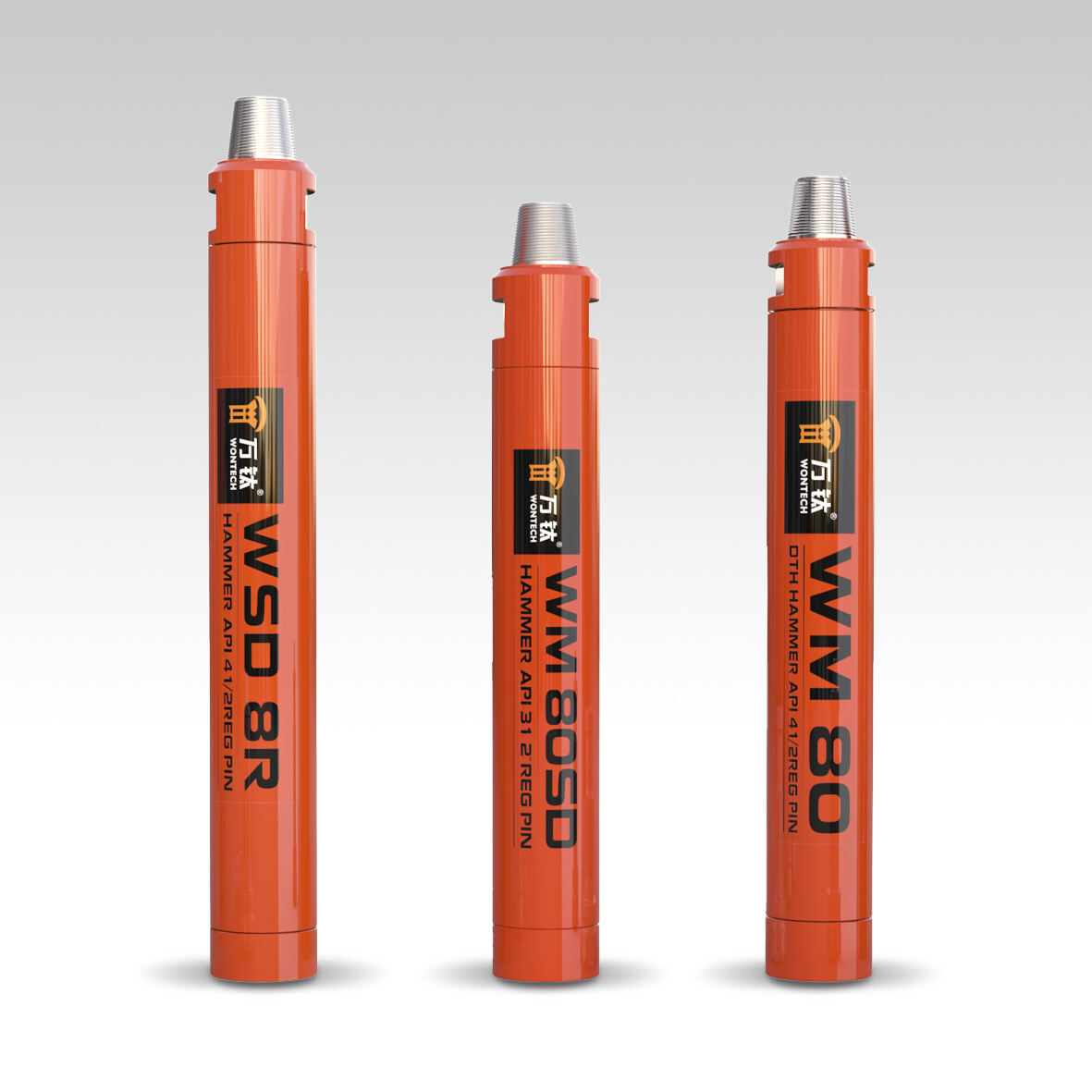
In the world of drilling, whether for mining, water wells, or construction, the equipment used determines the efficiency and safety of the project. One piece of machinery that has significantly transformed drilling operations is the DTH Hammer. DTH stands for “Down-The-Hole,” and this hammer is a critical innovation that is redefining the standards of drilling technology.
What is a DTH Hammer?
A DTH Hammer is a powerful tool used in drilling operations, particularly for creating deep holes in hard rock. Unlike traditional rotary drilling methods, where a rotating bit is used to cut through rock, a DTH hammer uses a percussive, or hammering, action to break through the material. This method allows for more efficient drilling in difficult rock formations, where high penetration rates are necessary.
The DTH hammer works by generating a high-frequency impact at the drill bit’s tip, which is driven by compressed air. This compressed air is typically provided by a portable air compressor, ensuring that the hammer delivers a precise, high-energy blow to the rock surface. The combination of this intense percussive action with rotation allows for deep, quick drilling in areas that would otherwise be incredibly challenging to penetrate with conventional equipment.
How Does the DTH Hammer Work?
The DTH hammer is mounted directly onto the drill string, and its mechanism works as follows:
Air Supply: High-pressure air is sent through the drill pipe to the hammer.
Internal Components: Inside the hammer, a piston is propelled by the air pressure, delivering a forceful impact to the drill bit at the end of the string.
Impact and Penetration: This repeated, high-energy blow fractures and breaks up the rock or material. The continuous hammering, combined with the rotary motion of the drill, ensures effective and fast drilling.
The DTH hammer typically operates in a system where the hammer and bit are combined. The bit, known as a “DTH bit,” is specifically designed to withstand the forces generated by the hammer while ensuring smooth penetration through different types of geological formations.
Advantages of Using DTH Hammers
Faster Drilling: Due to the constant, high-impact action of the DTH hammer, drilling speeds are generally faster when compared to traditional methods, making it a cost-effective solution for large-scale drilling projects.
Increased Depth Capability: DTH hammers are especially useful for deep drilling, as the hammering action is more effective in hard rock and the energy delivered is concentrated at the bit’s tip, reducing the need for constant repositioning.
Versatility in Geology: The ability to drill in varying conditions, from hard rock to softer formations, gives DTH hammers the flexibility to be used across different industries, including mining, construction, and water well drilling.
Better Performance in Hard Rock: Traditional rotary drilling methods tend to struggle when drilling through hard rock formations. DTH hammers, with their percussive mechanism, can break through the toughest materials more effectively and with less wear on the equipment.
Reduced Wear and Tear: As the hammering mechanism directly impacts the rock rather than relying on the grinding or shearing actions of rotary drills, it reduces the overall wear on the machinery.
Efficient Airflow: The compressed air not only powers the hammer but also serves to clear debris and rock cuttings from the borehole, enhancing overall drilling efficiency and reducing the risk of clogging.
Types of DTH Hammers
While the basic principle of operation remains the same, DTH hammers are available in various sizes and configurations to cater to different drilling needs. These hammers come in three primary categories:
Small Diameter Hammers: Designed for drilling small-diameter holes, these hammers are often used for applications such as geological exploration, geothermal drilling, and water wells.
Medium Diameter Hammers: These hammers strike a balance between power and versatility and are commonly used in construction, civil engineering, and medium-depth mining projects.
Large Diameter Hammers: Ideal for deep drilling projects, large-diameter DTH hammers are used in mining and larger-scale construction projects. They provide the maximum impact energy necessary to penetrate through thick, solid rock formations.
Applications of DTH Hammers
Mining: One of the primary industries benefiting from DTH hammer technology is mining. The ability to drill deep, precise holes in rock formations is crucial for blasting and excavation. DTH hammers allow miners to reach valuable deposits quickly and with greater precision, which directly influences the success of mining operations.
Construction: DTH hammers are commonly used in construction for tasks like foundation drilling, tunnel construction, and pile driving. Their efficiency in tough geological conditions makes them indispensable in infrastructure projects, especially those located in rocky terrains.
Water Wells: In regions where groundwater is deep underground, drilling a water well can be a challenging task. DTH hammers make it easier to drill through tough rock and access underground water resources, especially in remote or harsh environments.
Geotechnical Investigations: For geologists and engineers conducting soil and rock studies, DTH hammers allow for accurate sampling and site investigation without the need for expensive or cumbersome drilling techniques.
Future of DTH Hammers: Innovation and Efficiency
As drilling technology continues to evolve, DTH hammers are also undergoing innovations to increase their efficiency and environmental sustainability. Here are some exciting trends:
Energy-Efficient Designs: Researchers are developing DTH hammers that use less compressed air while maintaining high-performance standards. This reduces operational costs and environmental impact.
Enhanced Durability: New materials and coatings are being introduced to make DTH hammers more resistant to wear and tear, increasing their lifespan and decreasing the need for frequent maintenance.
Automation and Robotics: With the rise of automation, future DTH hammer systems may become more autonomous, allowing for longer, more continuous drilling cycles without human intervention. This will improve safety and reduce labor costs.
Conclusion
The DTH Hammer is a remarkable advancement in drilling technology, offering exceptional power, speed, and versatility. From mining to construction, its ability to handle tough geological conditions has revolutionized industries worldwide. With continued innovation, the future of DTH hammers looks brighter, offering even more efficient and sustainable solutions to meet the growing demands of global drilling projects.