
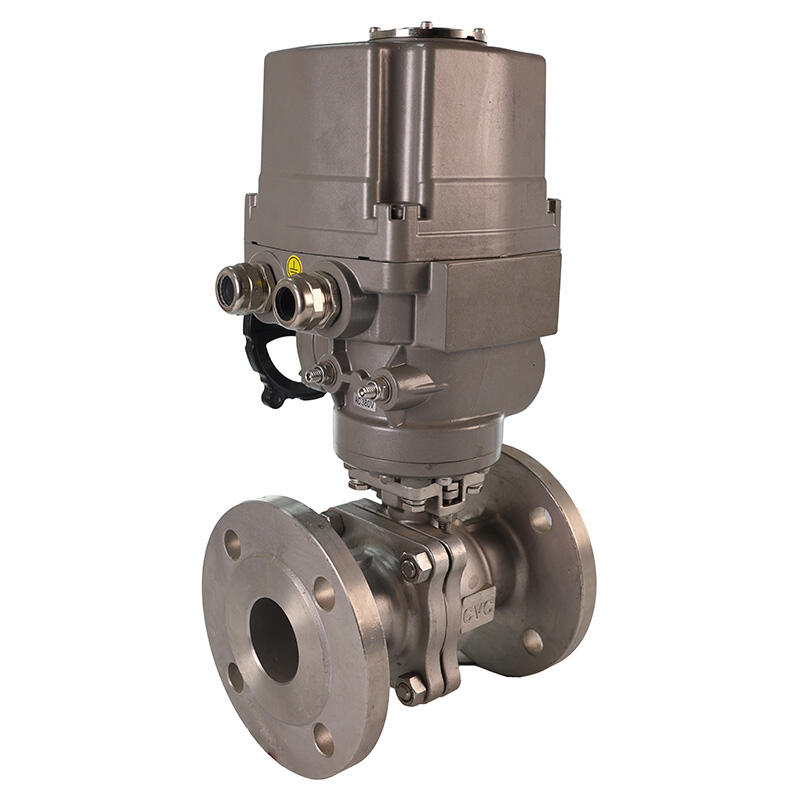
In modern industrial systems, the need for precision, efficiency, and automation has never been greater. Whether in water treatment facilities, manufacturing plants, HVAC systems, or even in the oil and gas industry, the reliability and control over fluid flow are essential. One innovation that has revolutionized fluid control is the electric ball valve. Combining advanced valve technology with electric actuation, these valves have become a staple in automated systems, offering advantages over traditional manual and pneumatic control methods.
What is an Electric Ball Valve?
An electric ball valve is a type of valve used to control the flow of liquids or gases in a pipeline. The core component is a ball with a hole through its center, which rotates to either allow or block flow. The “electric” part refers to the valve’s actuator, which uses an electric motor to rotate the ball, rather than relying on manual force or pneumatic systems.
Unlike traditional valves that require manual handling or air pressure to operate, electric ball valves are fully automated and can be operated remotely, making them ideal for environments that require high levels of precision and control. The actuator that drives the ball can be integrated into the system to open or close the valve based on predetermined settings or signals from sensors or controllers.
Advantages of Electric Ball Valves
Precise Control
One of the standout features of electric ball valves is the precise control they offer over fluid flow. With electric actuators, the valve can be adjusted to a very specific position, allowing for fine-tuned flow regulation. This is especially important in industries where precise fluid control is critical for maintaining optimal system performance.Automation Integration
Electric ball valves are easily integrated into automated systems. When connected to a PLC (Programmable Logic Controller) or SCADA (Supervisory Control and Data Acquisition) system, the valve can be controlled remotely, allowing operators to monitor and adjust fluid flow from a central location. This reduces the need for manual intervention and increases overall operational efficiency.Energy Efficiency
Compared to pneumatic or hydraulic actuators, electric actuators are often more energy-efficient. They use electricity to operate, which is typically more readily available and easier to manage. Pneumatic systems, on the other hand, require compressed air, which is energy-intensive to generate and maintain.Cost-Effective Operation
Over time, electric ball valves prove to be cost-effective in terms of both operational costs and maintenance. Their simple design means there are fewer moving parts, reducing the likelihood of mechanical failure. Additionally, with the rise of smart monitoring systems, electric ball valves can alert maintenance teams to potential issues before they cause significant damage, ensuring prolonged valve life and minimizing downtime.Durability and Reliability
Electric ball valves are designed to be durable and reliable in even the most demanding environments. Constructed with materials like stainless steel, they can withstand high pressures, extreme temperatures, and exposure to corrosive chemicals. This makes them suitable for a wide range of industrial applications, from water treatment to chemical processing.
Applications of Electric Ball Valves
The versatility of electric ball valves means they are found across a wide range of industries:
Oil and Gas Industry: Used for regulating gas and liquid flows in pipelines and storage tanks.
HVAC Systems: Employed in heating, ventilation, and air conditioning systems for controlling water or air flow.
Water Treatment Plants: Critical for controlling the flow of chemicals and water in purification processes.
Food and Beverage: Ensures precise flow control of liquids, reducing waste and ensuring consistency in production lines.
Pharmaceuticals and Chemicals: Often used in systems that require tight control over fluid flow, such as in the mixing of chemicals.
How Does an Electric Ball Valve Work?
At its core, the electric ball valve operates through the integration of the valve itself and the electric actuator. The actuator typically consists of an electric motor that, when powered, drives a gear mechanism to rotate the valve’s ball. The ball valve is a simple yet effective design; as the ball turns, the hole either aligns with the pipe to allow flow or moves out of alignment to block flow.
Electric ball valves come with built-in feedback systems, including position sensors, that allow operators to monitor the status of the valve. Many modern electric ball valves are also equipped with fail-safe features, ensuring that if the system experiences a loss of power or failure, the valve will return to a predefined safe position.
Types of Electric Ball Valves
Electric ball valves come in different types, each designed to meet the specific needs of various industries:
Two-Way Electric Ball Valves: These are the most common type, where the valve either fully opens or fully closes to control the flow in a pipeline.
Three-Way Electric Ball Valves: These valves have three ports, allowing the fluid to flow in multiple directions. These are used for diverting or mixing flows, common in heating and cooling systems.
V-Port Electric Ball Valves: Equipped with a V-shaped ball, these valves allow for more precise flow control in systems requiring varying degrees of flow rate.
Choosing the Right Electric Ball Valve
When selecting an electric ball valve for an application, several factors must be considered to ensure optimal performance. Key considerations include:
Material Compatibility: The valve must be compatible with the media flowing through the system, whether it’s water, oil, chemicals, or gases.
Pressure and Temperature Ratings: The valve should be rated for the specific operating conditions of the system, including pressure and temperature limits.
Actuator Power: Depending on the application, the electric actuator’s size and power must match the operational requirements. Larger valves or those handling high pressures may require more powerful actuators.
The Future of Electric Ball Valves
The future of electric ball valves lies in smart technology and Internet of Things (IoT) integration. As industries continue to evolve toward more automated and efficient systems, electric ball valves will play a critical role. With the rise of predictive maintenance and remote monitoring, future electric ball valves will not only be able to perform their primary function but also communicate critical data regarding system health, performance, and potential failure points.
In conclusion, the electric ball valve is a versatile, efficient, and durable solution for modern fluid control systems. With their ability to provide precise control, ease of automation, and long-term cost savings, electric ball valves are paving the way for smarter, more efficient industrial systems. As technology continues to advance, these valves will undoubtedly play an even larger role in optimizing the way fluids and gases are controlled in various industries across the globe.