
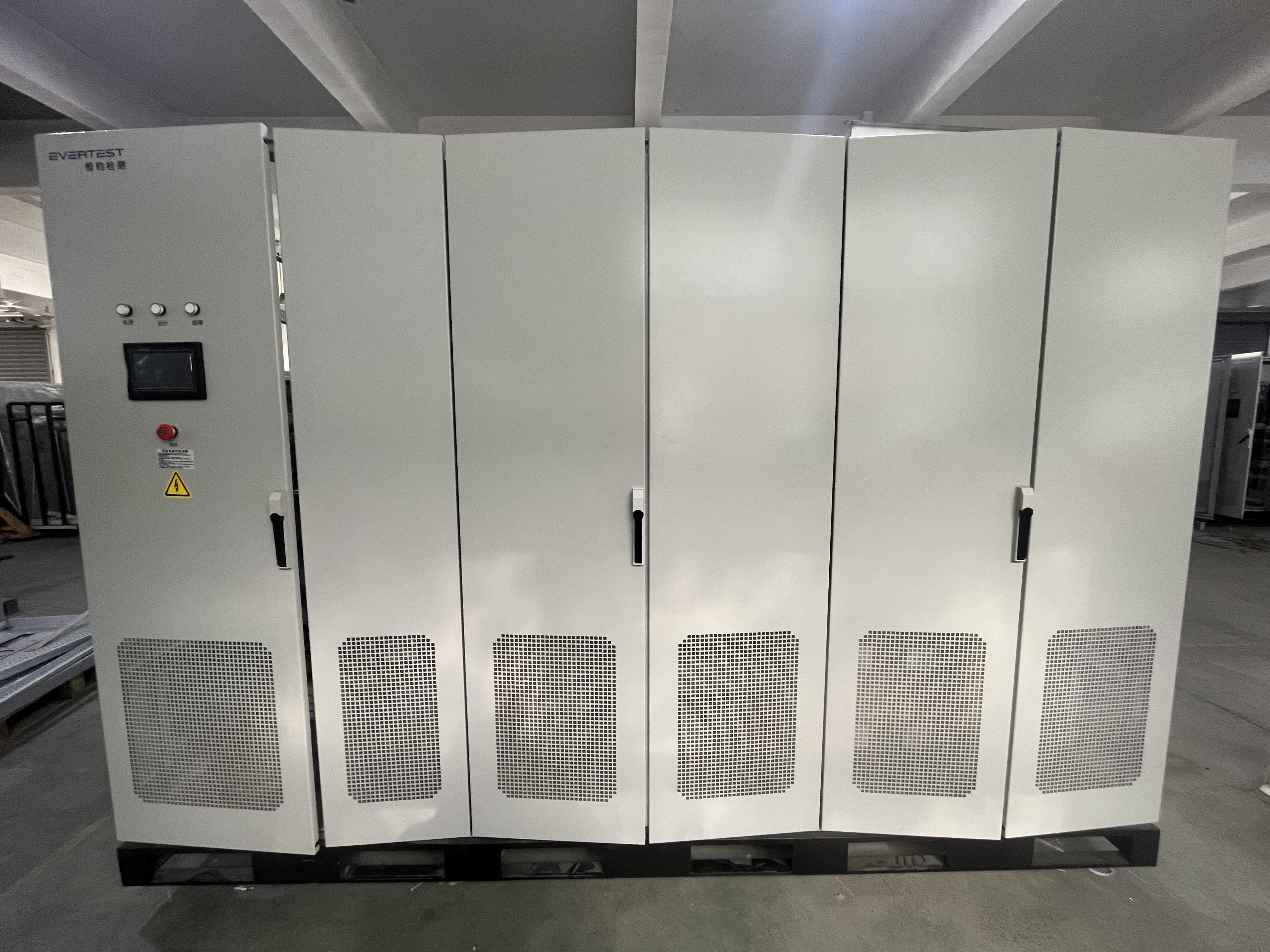
In an era defined by the urgent transition to renewable energy and energy storage battery electrification, energy storage batteries have emerged as one of the most transformative innovations in the modern energy landscape. Far beyond the common perception of simple power backups, these devices are the linchpin in a global revolution towards a more sustainable, resilient, and efficient energy system. But what exactly makes energy storage batteries so pivotal, and what exciting developments are shaping their future?
The Heart of Energy Modernization
Energy storage batteries are electrochemical devices that store electrical energy and release it on demand. While the concept sounds straightforward, their role is anything but. They bridge the gap between energy supply and demand, enabling intermittent renewable sources—like solar and wind—to provide consistent, reliable power.
Unlike traditional fossil-fuel power plants, renewables are inherently variable: the sun doesn’t always shine, and the wind doesn’t always blow. Batteries act as buffers, capturing excess energy during peak generation periods and discharging it when production dips or demand surges. This dynamic function is crucial for grid stability, reducing reliance on carbon-heavy peaker plants, and enabling a cleaner energy mix.
Beyond Lithium-Ion: The Quest for Next-Gen Chemistry
While lithium-ion batteries dominate today’s market—powering everything from smartphones to electric vehicles and grid-scale installations—the field of energy storage is rapidly evolving with novel chemistries promising to solve current limitations.
Solid-State Batteries: By replacing liquid electrolytes with solid materials, these batteries aim to enhance safety, energy density, and lifespan, potentially revolutionizing electric vehicles and portable electronics.
Sodium-Ion Batteries: Leveraging abundant and inexpensive sodium, these batteries offer a sustainable alternative to lithium, especially for large-scale grid storage, with promising cost-effectiveness.
Flow Batteries: With liquid electrolytes stored in external tanks, flow batteries provide scalable energy capacity and long cycle life, ideal for large renewable energy farms.
Metal-Air Batteries: Utilizing oxygen from the air as a cathode reactant, metal-air batteries boast ultra-high energy densities, representing a leap forward in energy storage potential.
Each of these innovations addresses specific challenges in energy density, cost, sustainability, and scalability, marking an exciting frontier for research and commercialization.
Environmental and Societal Impact
The proliferation of energy storage batteries carries profound implications beyond technology. On the environmental front, batteries facilitate decarbonization by enabling deeper integration of clean energy. This shift can reduce greenhouse gas emissions dramatically and combat climate change.
However, challenges remain regarding raw material sourcing—particularly lithium, cobalt, and nickel—which can involve environmentally damaging mining and ethical concerns. This drives urgent efforts in recycling technologies, circular economy models, and developing batteries with more abundant materials to minimize ecological footprints.
On a societal level, energy storage empowers energy equity and resilience. Communities vulnerable to grid failures or natural disasters can deploy battery-backed microgrids, ensuring continuous power for critical services like hospitals, water systems, and communication networks. This decentralization of energy infrastructure represents a democratization of power access and control.
The Future: Integrated, Intelligent, and Sustainable
Looking forward, energy storage batteries will become increasingly integrated with digital technologies and artificial intelligence. Smart battery management systems optimize charge cycles, predict maintenance, and balance grid loads in real time, boosting efficiency and lifespan.
Moreover, as renewable energy installations proliferate worldwide, the cost per kilowatt-hour of storage is expected to plummet, making energy storage ubiquitous—from residential rooftops to sprawling industrial applications.
The vision is an energy ecosystem where storage seamlessly interacts with generation and consumption, creating a resilient, flexible, and environmentally harmonious system capable of meeting the planet’s rising energy demands sustainably.
In Conclusion
Energy storage batteries are no longer mere accessories to energy systems—they are central pillars in the quest for a sustainable and resilient future. Through continued innovation in materials, design, and integration, these batteries will unlock new possibilities, redefining how humanity produces, stores, and uses energy.
The future is electrified, balanced, and powered by the silent, steady heartbeat of energy storage batteries.