
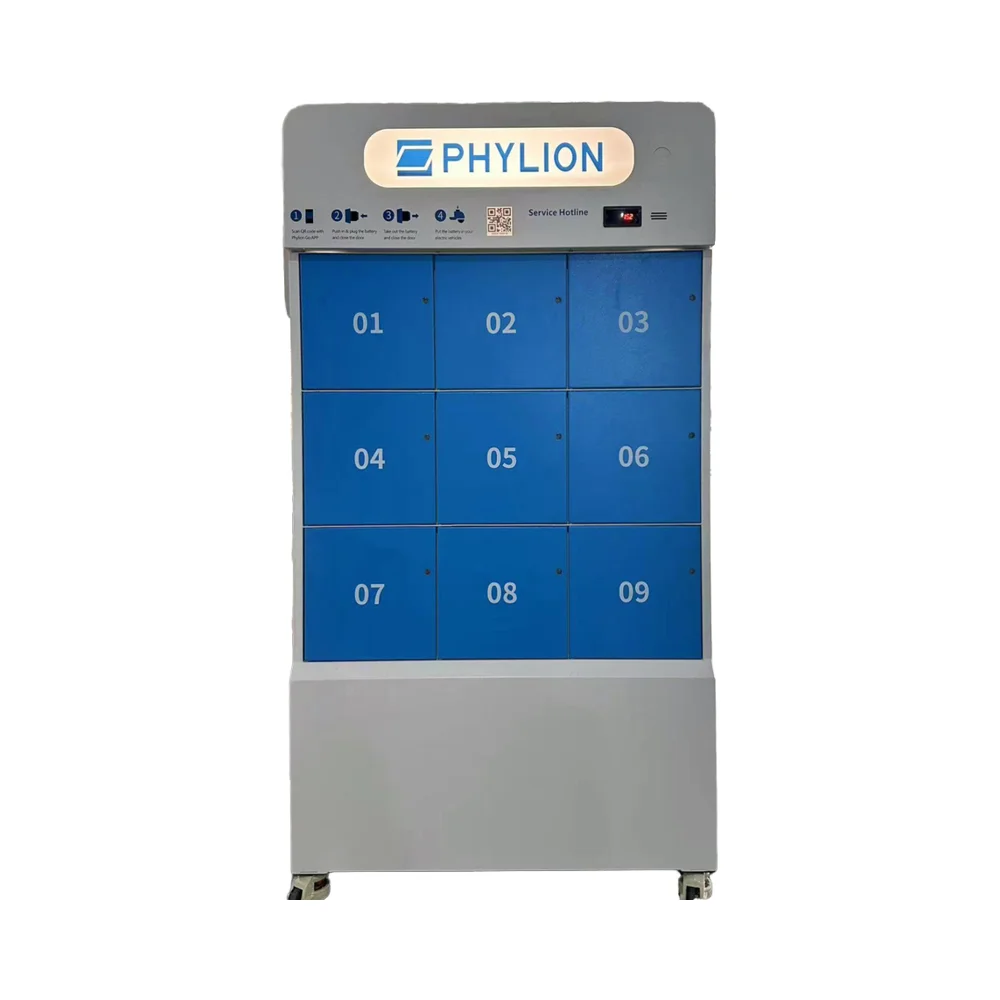
In the era of rapidly evolving energy demands and an urgent push towards sustainability, the Energy Storage Moudule (ESM) emerges as a cornerstone technology, transforming how we generate, store, and consume electricity. From electric vehicles (EVs) to renewable energy systems, these modular units are redefining energy management with unmatched flexibility, efficiency, and scalability.
What is an Energy Storage Module?
An Energy Storage Module is a self-contained unit designed to store electrical energy for later use. Unlike traditional bulky battery systems, an ESM integrates battery cells, management systems, and safety features into a compact, modular package. This modularity enables easy expansion or customization based on specific power and capacity requirements.
The core components of an ESM include:
Battery Cells: Usually lithium-ion, but also emerging technologies like solid-state, lithium iron phosphate (LFP), or flow batteries.
Battery Management System (BMS): Ensures optimal charging, discharging, temperature control, and safety.
Thermal Management: Maintains temperature balance for maximum efficiency and lifespan.
Communication Interfaces: Allows integration with larger energy systems or smart grids.
Why Energy Storage Modules are Game-Changers
1. Scalability and Flexibility
One of the defining features of an ESM is its scalability. Multiple modules can be linked to create systems ranging from small residential storage to large utility-scale energy banks. This modular approach means users pay for exactly what they need and can upgrade as demand grows.
2. Enabling Renewable Energy Integration
Renewables like solar and wind generate power intermittently. Without efficient storage, excess energy often goes to waste. ESMs bridge this gap by storing surplus energy during peak production and releasing it when generation dips, stabilizing power supply and enhancing grid reliability.
3. Improved Energy Efficiency and Cost Savings
Energy Storage Modules reduce dependence on fossil fuels and grid power during peak hours. This shift lowers electricity bills through demand charge management and encourages use of clean energy, offering long-term cost benefits for consumers and utilities alike.
4. Enhanced Safety and Reliability
Modern ESMs incorporate advanced BMS and safety protocols to prevent overheating, short circuits, and overcharging. Their modular nature allows for easy maintenance and replacement of individual modules without disrupting the entire system.
Applications Across Industries
Electric Vehicles (EVs)
The EV industry is perhaps the most visible user of energy storage modules. High-energy-density ESMs power electric cars, enabling longer ranges and faster charging times. Modular battery packs allow manufacturers to tailor vehicle performance and adapt to evolving technologies.
Grid Storage and Microgrids
Utility companies deploy ESMs to balance supply and demand, smooth out voltage fluctuations, and provide backup power during outages. Microgrids, often used in remote or disaster-prone areas, rely on ESMs for resilient, independent energy solutions.
Residential and Commercial Use
Homeowners and businesses install modular storage systems to maximize self-consumption of rooftop solar energy, reduce electricity costs, and gain energy independence.
Future Trends in Energy Storage Modules
Advanced Battery Chemistries
Research into solid-state batteries and alternative chemistries promises higher energy density, faster charging, and enhanced safety, all within modular formats.
Smart Energy Management
Integration with IoT and AI allows ESMs to predict energy usage patterns, optimize charging cycles, and communicate seamlessly with smart grids and home automation systems.
Sustainability and Recycling
As demand for batteries grows, focus on recyclable materials and second-life usage of ESMs will shape the industry’s environmental footprint.
Conclusion
The Energy Storage Module is more than just a battery—it’s a transformative technology that empowers cleaner, smarter, and more resilient energy systems worldwide. By offering adaptability, safety, and efficiency, ESMs are unlocking the true potential of renewable energy and electric mobility, paving the way for a sustainable energy future.