
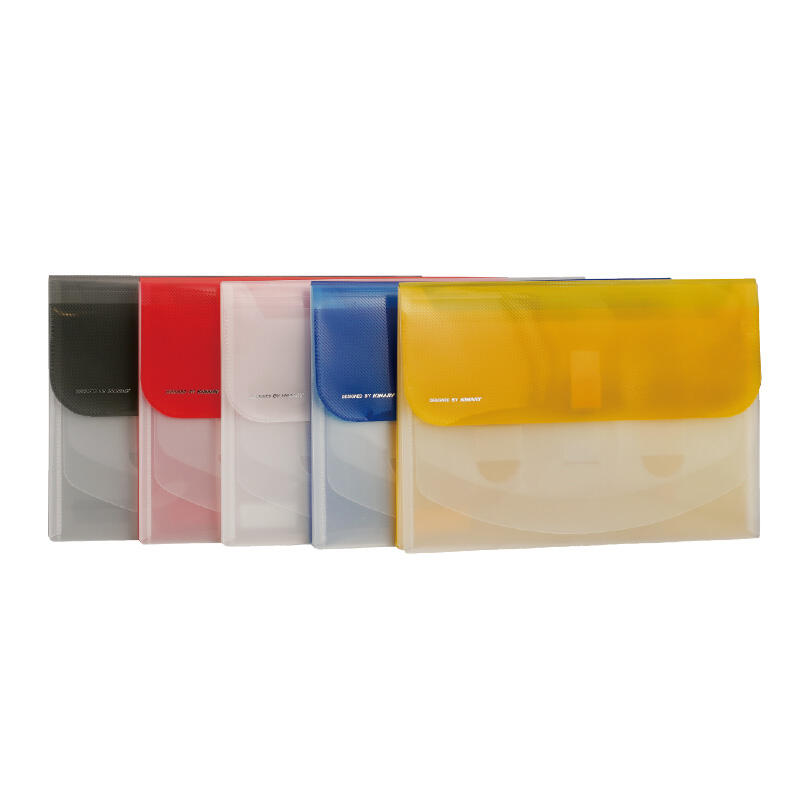
In a time where cloud storage and digital folders dominate the narrative of organization, the expanding file—an old-school yet ingenious invention—continues to quietly prove its worth. From professionals juggling paper trails to students managing a semester’s worth of coursework, the expanding file has adapted, evolved, and endured. But what exactly makes it such a versatile and underrated essential?
What Is an Expanding File?
At its core, an expanding file is a portable, expanding-file accordion-style folder designed to hold and organize large amounts of paperwork. Often made of durable plastic or reinforced cardboard, it includes multiple pockets or compartments that expand to accommodate growing stacks of documents.
Each compartment can be labeled by date, category, subject, or client—making it incredibly easy to sort, find, and retrieve information at a moment’s notice.
The Real-World Use Cases
Despite living in a predominantly digital age, paper is far from obsolete. Here are just a few areas where expanding files continue to shine:
1. Legal and Administrative Work
Lawyers, accountants, and office administrators often deal with mountains of physical paperwork. From contracts to tax documents, the expanding file becomes an easy way to store, carry, and organize multiple clients’ files in one portable solution.
2. Students and Educators
An expanding file can be a student’s best friend. Organizing subjects by pocket—math, science, history, literature—eliminates the panic of forgotten homework or lost notes. For teachers, it’s a handy way to keep track of lesson plans, handouts, and graded papers.
3. Home Organization
Think bills, receipts, appliance manuals, insurance papers. An expanding file serves as a compact home office on the go. Some families even dedicate one to each member for medical records, school reports, or travel documents.
4. Artists and Designers
Creative professionals often use expanding files to store design drafts, portfolios, and sketches. It keeps work protected while allowing easy sorting by project or theme.
Why Choose an Expanding File Over a Regular Folder?
Capacity: It can hold far more documents than a standard folder.
Structure: Individual pockets keep documents neatly separated.
Portability: Compact and easy to carry with a handle or snap closure.
Durability: Built to last, especially those with reinforced edges and waterproof exteriors.
Security: Many include secure closures or even locks for confidential paperwork.
Innovations in Expanding File Design
Today’s expanding files are not just practical—they’re stylish and smart. Some come with:
Color-coded tabs for faster identification.
Built-in labels or index cards.
Eco-friendly materials, made from recycled plastics or sustainable paper.
Digital integration, like QR codes linking to cloud folders for hybrid document tracking.
The Psychological Edge: Tangibility and Memory
One of the often-overlooked benefits of using physical tools like an expanding file is the tactile reinforcement of memory. When you physically sort, label, and handle your documents, you’re more likely to recall where they are and what they contain. This psychological edge is something digital systems still struggle to replicate fully.
Conclusion: A Classic Reinvented
While expanding files might not generate tech headlines, their value is timeless. In a world racing toward the intangible, sometimes the best tools are the ones you can still touch, open, label, and carry.
Whether you’re a minimalist, a multitasker, or just someone trying to reclaim control of paper chaos, the expanding file offers an elegant and efficient solution. As simple as it is brilliant, it might just be the organizational sidekick you didn’t know you needed.