
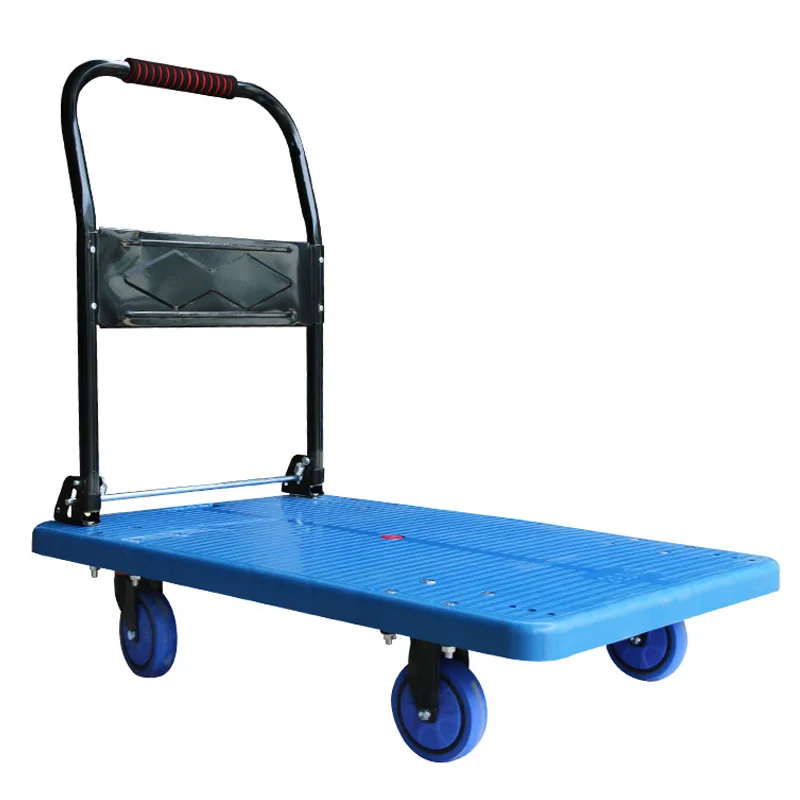
When we think of trolleys and flatbeds, our minds might immediately drift toward industrial warehouses, airports, or even supermarkets. These unsung heroes of the transportation world are often overlooked, yet they play pivotal roles in simplifying the movement of goods and cargo in countless settings. This article dives deep into the fascinating evolution, varieties, and growing importance of trolleys and flatbeds, revealing their multifaceted uses in modern society.
What Exactly Are Trolleys and Flatbeds?
At their core, both trolleys and flatbeds are types of wheeled transportation devices designed for the easy movement of items.
Trolleys: Typically, trolleys are small carts with wheels, often designed to carry smaller loads. They can be manual or motorized and are widely used in places where transporting items over short distances is necessary, such as in airports, hospitals, and retail settings.
Flatbeds: Unlike the more enclosed design of trolleys, flatbeds Trolley / Flatbed are open platforms, often used to carry larger and heavier loads. Common in industries like construction, logistics, and freight, flatbeds come in various sizes and capacities. They often have no sides or limited barriers, providing a simple and effective design for hauling bulky or oversized items.
A Brief History of Trolleys and Flatbeds
The history of trolleys dates back to the late 19th century. Early versions were typically wooden carts used in industrial settings for moving goods within factories or warehouses. As the world industrialized and cities grew, the design evolved to accommodate the demands of urban life, leading to the invention of the modern trolley for transporting passengers — think trams and streetcars.
Flatbeds, on the other hand, can trace their roots back to the 19th-century rise of railroads. The need for transporting large cargo, especially raw materials, spurred the development of flatbed railcars. These open-platform cars were ideal for carrying anything from coal to timber, as they had no sides to obstruct the loading or unloading process.
The Evolution of Trolleys and Flatbeds: Technological Innovation
Trolleys: From Manual to Automated
Over the years, trolleys have evolved significantly. Early models were manually pushed or pulled, requiring human effort for transportation. As technology advanced, so did the functionality of trolleys. The introduction of electric-powered trolleys revolutionized industries that needed to move goods quickly and efficiently over long distances.
In recent times, automated guided vehicles (AGVs) have transformed the concept of trolleys. These self-driving, battery-powered trolleys are equipped with sensors and advanced software to navigate warehouses, factories, and even airports. In places like Amazon fulfillment centers, AGVs are now used to transport goods from shelves to packing stations, reducing the need for human intervention and increasing operational efficiency.
Flatbeds: The Rise of Modular Design
The flatbed has also undergone significant advancements, particularly in the realm of modularity. Today’s flatbeds can be customized with different attachment options, such as side rails, tilt mechanisms, and even hydraulic lifting features, making them adaptable to a wide range of industries. Modern flatbeds are constructed from durable materials such as steel and aluminum, ensuring that they can handle even the heaviest loads without compromising on performance or safety.
Additionally, flatbeds have expanded beyond the traditional realm of freight. Flatbed trucks are a common sight on construction sites, where they serve as transporters of equipment and materials. The versatility of the flatbed makes it an invaluable tool in numerous sectors, from agriculture to mining.
Applications of Trolleys and Flatbeds in Different Sectors
1. Industrial and Manufacturing
In industrial settings, trolleys and flatbeds are essential for material handling. Whether it’s a trolley moving small parts on an assembly line or a flatbed hauling heavy machinery from one site to another, both devices play an integral role in maintaining efficiency and reducing physical strain on workers.
Trolleys equipped with adjustable shelves or racks can be used in clean rooms, pharmaceutical labs, and electronics assembly lines to keep tools and materials organized and within easy reach. Flatbeds, on the other hand, are ideal for transporting large-scale materials like steel beams or prefabricated structures.
2. Retail and Hospitality
In retail environments, trolleys serve as a means of transporting goods from storage to the sales floor. Supermarkets, department stores, and even airports use trolleys to move heavy carts of inventory, making the process more streamlined and accessible.
In the hospitality industry, trolleys are often used to transport luggage, supplies, and even food. The iconic “room service trolley” comes to mind, serving guests in hotels and resorts with everything from breakfast to amenities.
3. Agriculture and Construction
In agriculture, flatbeds are indispensable for hauling equipment, irrigation pipes, and large loads of crops. The open platform design allows for easy loading and unloading in rural, off-road conditions. Similarly, flatbed trucks are commonly used in construction for transporting heavy materials like cement, steel, and wood.
4. Airports and Logistics
Trolleys in airports serve a crucial function by helping move baggage and cargo. Additionally, they are often used in catering services and aircraft maintenance operations to transport food, equipment, and supplies.
Flatbeds are essential in the logistics sector, particularly for transporting bulk items and heavy loads that can’t be accommodated by standard vehicles. They form the backbone of many large-scale distribution networks, especially in the transportation of machinery and industrial components.
Sustainability and the Future of Trolleys and Flatbeds
As sustainability becomes an ever-more pressing concern, the future of trolleys and flatbeds is taking on an eco-conscious turn. Manufacturers are now focusing on reducing the carbon footprint of their products by using lighter, more recyclable materials and designing electric-powered or hybrid trolleys and flatbeds.
Electric-powered flatbed trucks, for instance, are being explored as a cleaner alternative to traditional diesel-powered vehicles, especially for short-range transport. Similarly, automated trolleys powered by renewable energy sources, such as solar panels, are becoming more common in warehouses and factories, reducing both energy consumption and emissions.
Conclusion: Trolleys and Flatbeds as Unsung Heroes
Trolleys and flatbeds, often underestimated, are indispensable tools in the functioning of modern society. From their humble beginnings in industrial settings to their current role in high-tech warehouses and urban environments, these devices have proven to be incredibly adaptable and resilient. As technology and sustainability continue to shape our world, it’s clear that the humble trolley and flatbed will evolve alongside us, pushing the boundaries of efficiency, automation, and eco-consciousness.
Next time you see a trolley zipping through a hospital or a flatbed truck hauling materials on a construction site, remember that these simple yet powerful devices are integral to the smooth operation of industries across the globe. Their versatility and ever-evolving designs are a testament to their lasting significance in a fast-paced world.