
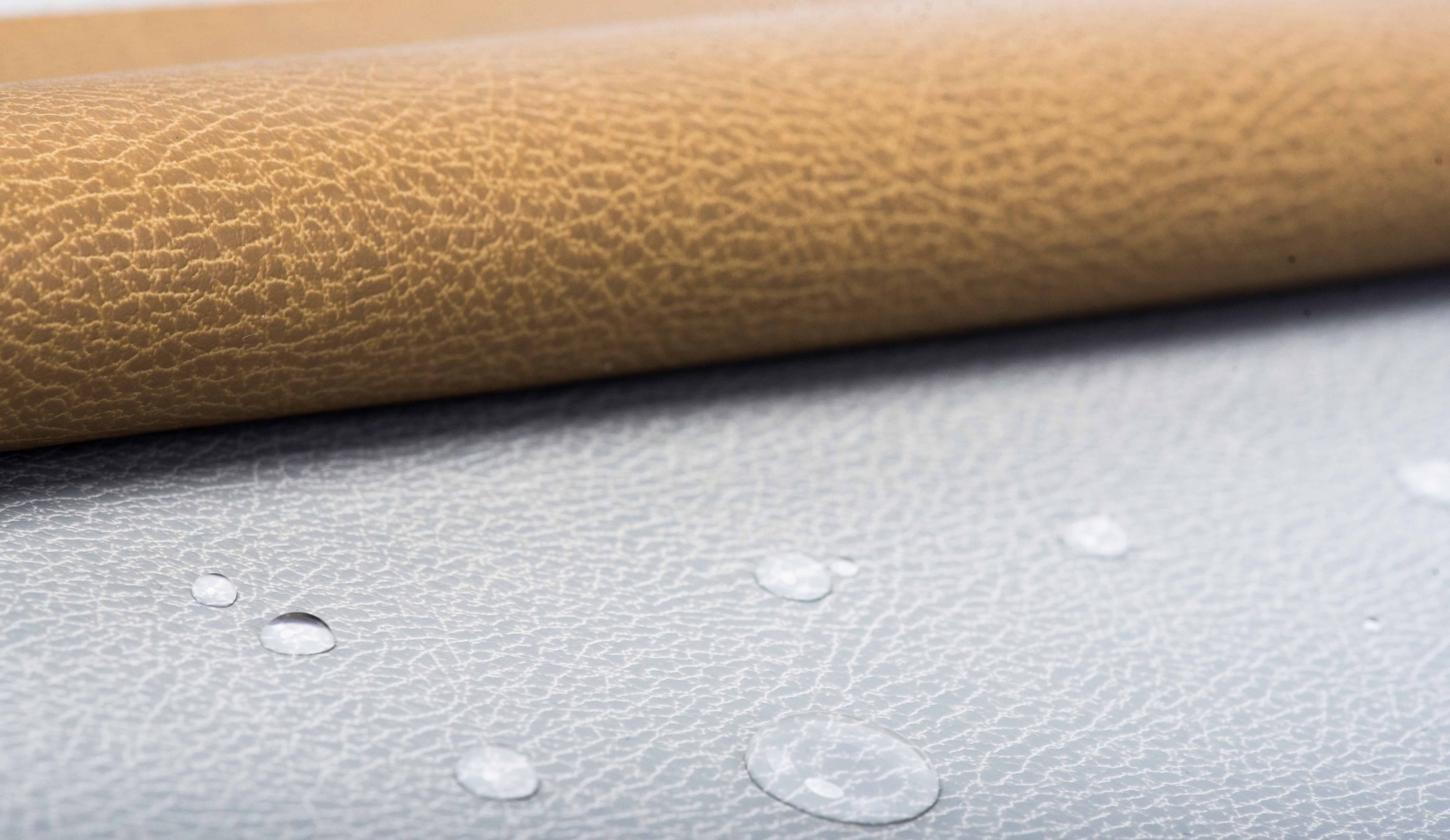
Wallcoverings, an often-overlooked element of interior design, have evolved from simple wallpapers and plain paint to dynamic, artful statements that transform the very atmosphere of a room. This category, once limited to floral patterns and basic textures, now includes Wallcoverings an almost infinite range of materials, colors, and innovative designs. As a result, wallcoverings are no longer just about decoration—they are a powerful tool in creating ambiance, storytelling, and enhancing the functionality of a space.
The Roots of Wallcoverings
The history of wallcoverings can be traced back thousands of years. The earliest examples were hand-painted murals in ancient Egyptian tombs, which told stories of the afterlife. In the 16th and 17th centuries, the wealthy in Europe used textile wall hangings, such as tapestries, to add warmth and visual interest to their interiors. However, it wasn’t until the 18th century that wallpaper, as we know it today, started to emerge as a widely available decorative material.
At first, wallpaper was a luxury item made from hand-blocked prints and expensive papers. But as technology advanced, mass production of paper wallpapers began, making it accessible to a broader audience. By the 20th century, wallpapers had become a staple in residential and commercial interiors, and the 21st century has seen an explosion of creative possibilities within this category.
Materials: A New Era of Innovation
Today, the range of materials used for wallcoverings is vast, opening up a world of design possibilities. While traditional paper wallpaper is still popular, modern wallcoverings now include:
- Vinyl: Durable, easy to clean, and versatile, vinyl wallcoverings are available in an array of textures and patterns. They are especially favored in spaces like kitchens and bathrooms where moisture resistance is a concern.
- Textile: Fabrics such as linen, cotton, and silk are used for a luxurious, soft feel. These materials add warmth and depth to a room and are often used for custom designs that create unique textures or patterns.
- Wood: Wood wallcoverings bring an organic, natural feel to interiors. With a range of finishes, from raw and rustic to polished and sleek, wood creates a timeless look that works in both contemporary and traditional settings.
- Metallic: Metallic wallcoverings have become increasingly popular for their ability to reflect light, add glamour, and elevate any space. Gold, silver, and copper finishes can transform walls into gleaming, high-shine features that capture attention.
- Murals and Digital Prints: Advances in printing technology have allowed for the creation of wall murals and digitally printed wallcoverings, offering endless possibilities for large-scale, customized designs. From realistic landscapes to abstract art, the use of photography and digital art on walls has become a bold and innovative way to bring an artistic touch to interiors.
- Sustainable Materials: As environmental awareness grows, so does the demand for eco-friendly materials. Recycled paper, bamboo, cork, and biodegradable materials are now widely used to create sustainable, visually striking wallcoverings that do not compromise on style.
Design Trends: Breaking Boundaries
Wallcoverings have long been a canvas for expression, and today’s design trends show just how far this medium has come.
- Bold Patterns and Colors: Gone are the days of understated wallpaper. Modern designs lean heavily into bold, graphic patterns, large florals, and geometric shapes. Designers are opting for vivid colors and dramatic contrasts, creating a focal point in any room.
- Nature-Inspired Designs: Drawing inspiration from the natural world, wallcoverings today feature botanical prints, textures that mimic stone or wood, and calming, earthy tones. These designs evoke a sense of serenity and connection to the outdoors, bringing the beauty of nature indoors.
- 3D Textures: Wallcoverings with raised textures create an illusion of depth, adding an element of tactility to the visual design. From embossed geometric patterns to highly sculpted, three-dimensional motifs, these wallcoverings make the walls feel alive, offering a dynamic experience beyond what a flat surface could provide.
- Minimalist and Neutral: While maximalist designs are on the rise, there is still a strong demand for subtle, minimalist wallcoverings. Soft textures in neutral tones, such as beige, grey, and off-white, create a calming, understated backdrop that works seamlessly with modern interior design.
- Wallcoverings as Art: Some designers are pushing the boundaries by using wallcoverings as a medium for original art. Large-scale, hand-painted murals or digital reproductions of famous art pieces transform walls into galleries, turning a functional surface into a creative statement.
Practicality Meets Design
While wallcoverings are undeniably aesthetic, they also serve important practical functions. Some modern wallcoverings are designed not only to look beautiful but also to improve the functionality of the spaces they occupy. For instance:
- Soundproofing: Certain wallcoverings, made from specially engineered materials, have sound-dampening properties that are particularly beneficial in offices, recording studios, or apartment buildings.
- Hygienic Surfaces: Wallcoverings with antimicrobial properties are gaining popularity in areas where cleanliness is paramount, such as hospitals, schools, and kitchens.
- Thermal Insulation: There are also wallcoverings designed to improve the energy efficiency of a home or building by providing added insulation. These can help maintain a comfortable temperature in a room while potentially lowering energy bills.
Customization: Personalizing Your Space
One of the most exciting developments in the world of wallcoverings is the ability to fully customize designs. With the help of digital printing technology, homeowners, designers, and businesses can create one-of-a-kind wallcoverings that reflect their personality or brand. Whether it’s a custom mural, a pattern that matches existing furnishings, or even a design that tells a story, the possibilities are endless.
This trend of personalization has revolutionized the way wallcoverings are used, offering an unparalleled opportunity to make a space truly unique. Companies are now offering a wider range of customizable options, allowing for the printing of personal photographs, artworks, or logos directly onto wallcovering materials.
The Future of Wallcoverings
As technology continues to advance, the future of wallcoverings promises even more innovation. From smart wallcoverings embedded with LED lights to interactive wallpapers that change depending on the angle of light, we are likely to see a fusion of technology and design that further blurs the lines between art, function, and form.
With their rich history and boundless creative potential, wallcoverings are no longer just an afterthought in interior design; they are an essential component of modern aesthetics. Whether you’re looking to create an atmosphere of serenity or excitement, or you simply want a surface that serves as a canvas for your dreams, wallcoverings offer a world of endless possibilities to explore and enjoy.
Conclusion
The realm of wallcoverings is vast, dynamic, and continuously evolving. From humble beginnings as simple patterns on paper to the cutting-edge materials and designs we see today, wallcoverings have come to represent more than just decoration. They are powerful tools for self-expression, creativity, and practicality. With so many materials, patterns, and customization options available, wallcoverings are the perfect way to make a statement in any room—proving that the walls of a space are not merely boundaries, but opportunities for endless design exploration.