
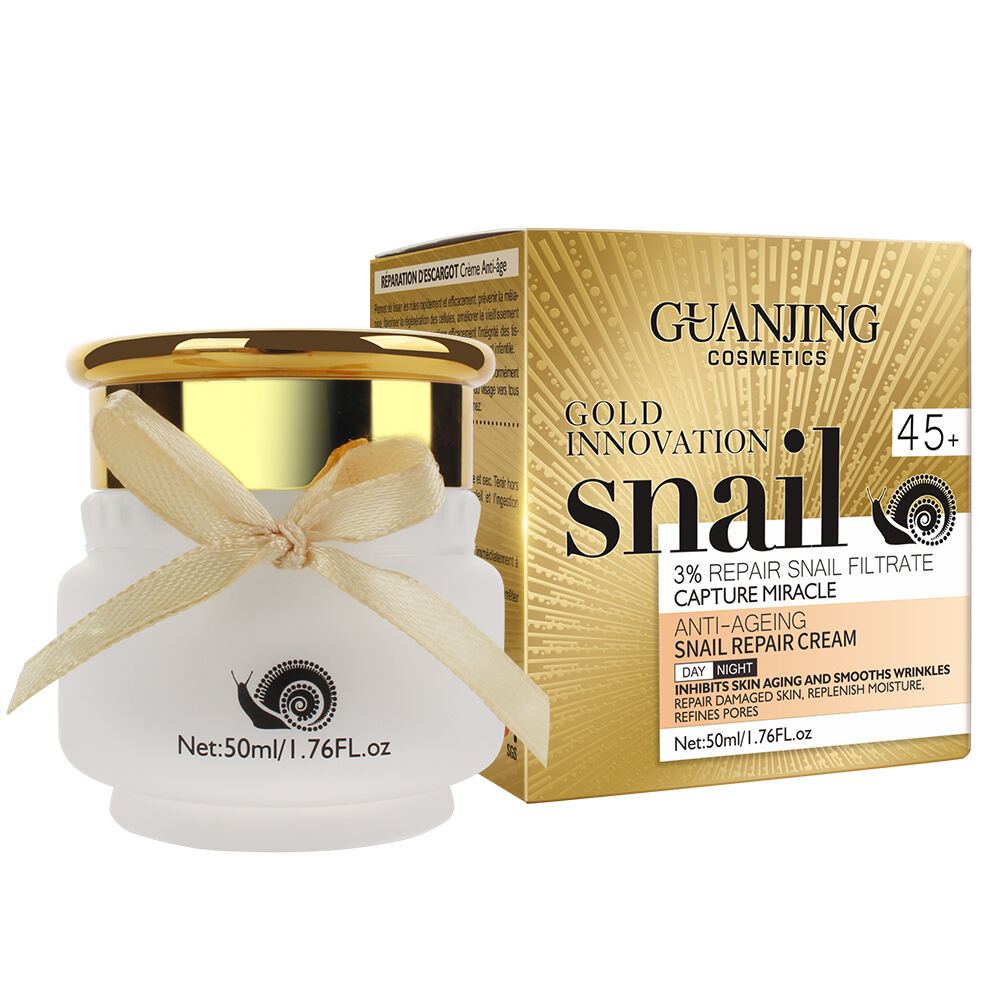
In the quiet moments before dawn or the last flicker of light before face cream bed, there’s a ritual shared across cultures, ages, and lifestyles — the gentle sweep of face cream across the skin. This simple gesture, often dismissed as routine, is actually a centuries-old fusion of nature, chemistry, and identity.
Beyond Moisture: The Metaphysics of Face Cream
At its core, a face cream is a blend — water, oil, and emulsifiers. But in its essence, it’s a bridge. It links the ancient past (when Cleopatra bathed in milk and honey) to modern biotechnology, where peptides and stem cells whisper promises of eternal youth. Every jar is a time capsule, a distillation of the human desire to protect, preserve, and perfect the canvas we wear every day: our face.
What Makes a Face Cream More Than a Cream?
Forget the clichés. Face cream is not just “moisturizing.” A truly unique formulation is a form of bio-communication — a two-way dialogue between skin and science. Here’s what sets apart an exceptional face cream:
Smart Hydration: Humectants like glycerin or hyaluronic acid that adjust to the skin’s needs, not just trap moisture.
Barrier Restoration: Ceramides and fatty acids rebuild the skin’s protective wall, crucial in urban environments full of pollutants.
Cell Whispering: Peptides and retinoids that signal the skin to produce more collagen, encouraging it to act like its younger self.
Microbiome Friendly: Prebiotics and probiotics to balance the skin’s invisible ecosystem — an emerging frontier in dermatology.
The Emotional Science of Texture and Scent
You might not think about it, but the texture of a cream is engineered to feel emotionally correct. A whipped soufflé texture signals luxury; a rich balm suggests healing. The scent — often a signature — is crafted to evoke memory, comfort, or calm.
Neurologically, the skin and brain are connected via the same embryonic layer. That’s why applying a silky, scented cream can alter mood, reduce stress hormones, and even improve sleep.
Face Cream Through the Ages: A Mirror of Society
Ancient Egypt: Oils from moringa and castor seeds were used to defy the desert’s dry air.
Tang Dynasty China: Pearl powder creams were prized for their luminous effect and spiritual symbolism.
Victorian England: Cold creams with rosewater and beeswax embodied refinement and modesty.
2020s and Beyond: Now, we’re in the age of AI-personalized formulations and climate-responsive creams. What you apply in humid Bangkok may not be what you use in arid Denver — and your smart cream knows it.
Face Cream as Self-Dialogue
Every application is an act of attention — not vanity. To choose a face cream is to ask:
What does my skin need? What do I need today?
It’s a rare moment of listening inward, in a world that constantly demands we look outward. A good face cream isn’t just anti-aging; it’s pro-being. It nourishes the skin, yes — but also our sense of self, our boundaries, and our hopes to hold time a little more gently.
Final Thought:
A face cream may seem like a trivial thing in a complicated world. But in its layers lies something elemental — care, science, tradition, and hope. And maybe, just maybe, that’s worth more than we give it credit for.