
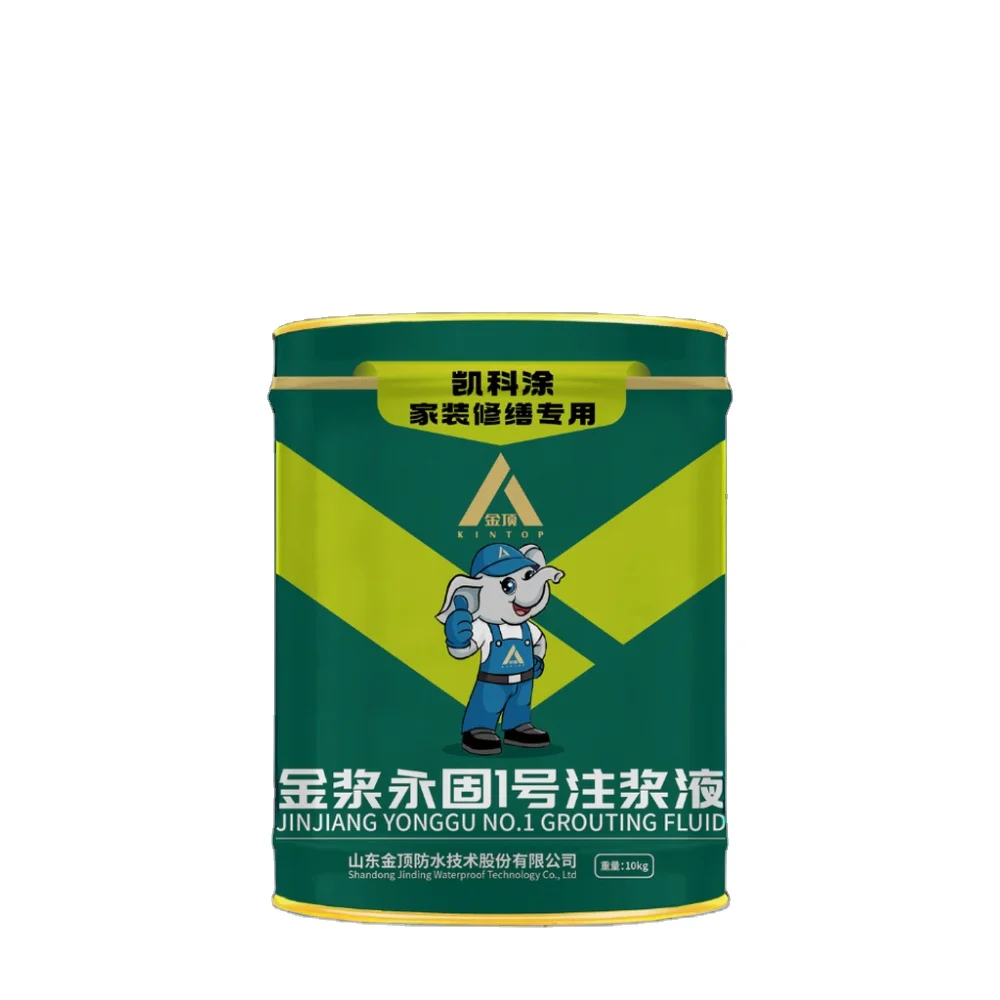
In the world of construction and infrastructure, there’s a category of materials that often goes unnoticed, yet they play a critical role in the integrity, durability, and aesthetic appeal of buildings and structures. These materials are Grouting And Joint Filling Materials known as grouting and joint filling substances, and though they may seem like simple solutions for gaps and seams, they are fundamental to ensuring the longevity and functionality of various projects.
What Are Grouting and Joint Filling Materials?
Before delving into the specifics, it’s important to define what we’re talking about when we mention these materials. Grouting refers to a process of filling the voids or gaps in structures, particularly in spaces that are critical for stability, such as between tiles, bricks, or concrete elements. On the other hand, joint filling refers to the materials used to seal the spaces between two construction elements, such as expansion joints, control joints, and construction joints. These materials not only protect the structure but also help in the distribution of movement, load, and stress.
Both grouting and joint filling materials come in a variety of compositions, each designed for specific tasks in construction. Let’s dive into the materials commonly used, their purpose, and why they are indispensable in construction and infrastructure projects.
The Types of Grouting and Joint Filling Materials
Cementitious Grouts One of the oldest and most widely used grouting materials is cementitious grout. It is primarily composed of cement, water, and fine aggregates, offering high strength and durability. Cementitious grouts are ideal for heavy-duty applications such as in the filling of voids in concrete structures or sealing the joints between tiles. The material can be adjusted to different thicknesses and is also known for being cost-effective.
Applications:
Floor and wall tile joints
Precast concrete joints
Heavy-duty infrastructure such as bridges and dams
Advantages:
High compressive strength
Versatile and widely available
Cost-effective and durable
Epoxy Grouts Epoxy-based grouts are used when a higher level of performance is required. These are composed of resins and hardeners, creating a non-porous, chemical-resistant surface that is ideal for areas exposed to harsh environments such as chemical plants, refineries, or food-processing industries. Epoxy grouts provide excellent bonding properties, durability, and resistance to shrinkage, making them suitable for both high-performance flooring and industrial applications.
Applications:
Industrial flooring
Chemical-resistant environments
Heavy machinery foundations
Advantages:
Superior strength and bond
Excellent resistance to chemicals and moisture
Low shrinkage
Polyurethane Grouts Polyurethane grouts are flexible, lightweight, and highly effective in sealing joints that are subject to movement or vibration. These grouts have outstanding elasticity and can expand and contract with the materials they seal. This makes them especially useful in regions where the ground may shift or in areas subject to high levels of seismic activity.
Applications:
Expansion joints in roads and bridges
Waterproofing
Movement joints in buildings and structures
Advantages:
Flexibility and elasticity
Excellent for waterproofing and sealing
Resistant to extreme weather conditions
Acrylic Grouts Acrylic-based grouts are often used in decorative applications due to their aesthetic appeal. These grouts are highly adhesive and are available in a variety of colors, making them perfect for tiling projects where design and appearance are important. Additionally, acrylic grouts are known for their resistance to cracking and are often employed in areas where aesthetic appeal and performance are equally important.
Applications:
Decorative flooring and tiling
Swimming pools and water features
Interior walls and facades
Advantages:
Wide range of colors
Excellent adhesion
Resistant to cracking and stains
Silicone Sealants Silicone sealants are a type of joint filling material widely used in construction due to their superior flexibility, ease of use, and ability to resist water and weather conditions. These materials are perfect for sealing joints in windows, doors, and facades, as well as for applications requiring a smooth, elastic seal. Silicone sealants also boast impressive thermal stability, which makes them an excellent choice for both hot and cold environments.
Applications:
Sealing windows and doors
Waterproofing facades and roofs
Sealing expansion joints
Advantages:
High flexibility
Long-lasting and weather-resistant
Excellent adhesion to a wide range of materials
Bituminous Grouts For projects in areas that require waterproofing and protection from extreme weather conditions, bituminous grouts offer a perfect solution. This material is typically used in underground structures, tunnels, and basements, where water ingress is a significant concern. Bituminous grouts are made from asphalt and various additives, providing a strong barrier against moisture and environmental stresses.
Applications:
Waterproofing of foundations
Tunnel construction
Basement walls
Advantages:
Superior water resistance
Effective in underground applications
Durable in harsh environmental conditions
Why Are Grouting and Joint Filling Materials So Important?
Structural Integrity and Stability Grouts and joint fillers ensure that any voids or gaps between construction elements are filled, providing a solid and stable foundation. Without proper grouting, structures could face instability due to water ingress, erosion, or even shifting ground.
Waterproofing and Moisture Control Many grouting and joint filling materials are designed to act as barriers to moisture. This is crucial in protecting buildings and infrastructure from water damage, mold growth, and corrosion. In areas like basements or bathrooms, water-resistant grouts are indispensable.
Seismic Movement and Flexibility In areas prone to earthquakes or extreme weather conditions, grouts and joint fillers offer the flexibility required to accommodate the movement of materials. The expansion and contraction properties of certain grouts allow the structure to endure these stresses without cracking or failing.
Aesthetic Appeal Beyond function, certain grouting materials are designed to complement the aesthetic of a space. Whether it’s the sleek, smooth finish of an epoxy grout on a commercial floor or the array of color choices available for ceramic tile joints, these materials also contribute to the visual appeal of a space.
Longevity and Cost Efficiency High-quality grouting and joint filling materials contribute to the long-lasting performance of the structure. By sealing joints and filling voids, these materials help prevent cracks, water ingress, and other forms of damage, reducing the need for costly repairs and maintenance.
The Future of Grouting and Joint Filling Materials
As construction methods evolve, so too do the materials used in grouting and joint filling. Advances in technology are pushing the boundaries of what’s possible with these materials, leading to innovations such as self-healing grouts, bio-based materials, and more sustainable formulations. The development of low-carbon, eco-friendly grouts that can reduce the environmental footprint of construction projects is particularly noteworthy.
In conclusion, grouting and joint filling materials may not always be the star of a construction project, but their importance cannot be overstated. Whether for structural integrity, aesthetics, or environmental protection, these materials are integral to the building’s long-term success. As the construction industry continues to embrace new technologies, the future of grouting and joint filling materials looks promising, bringing even more efficient and sustainable solutions to the table.