
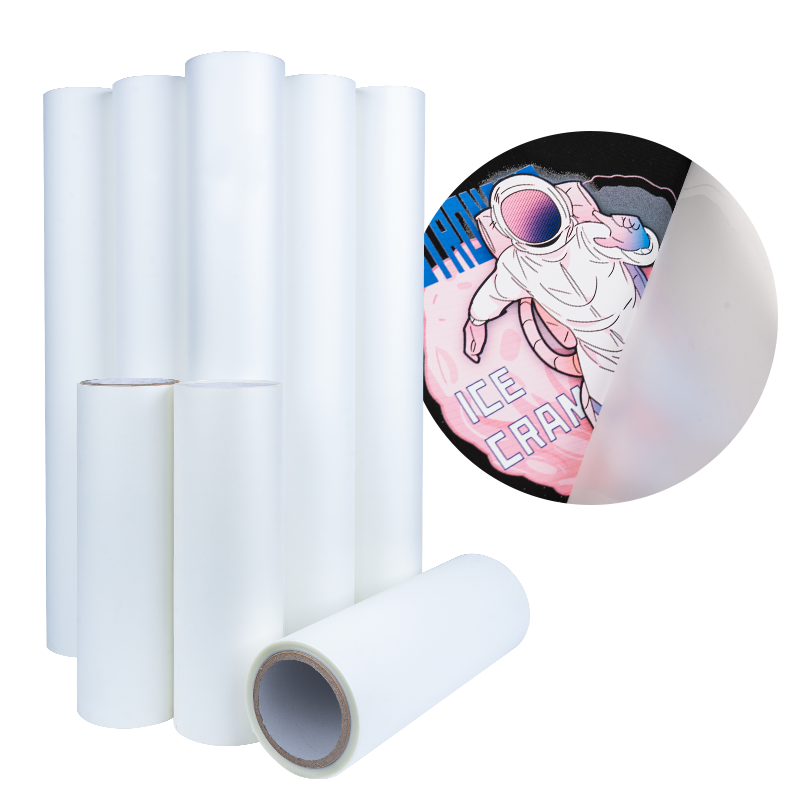
In the world of fabric decoration and customization, Heat Transfer Vinyl stands as a versatile and revolutionary medium that blends creativity with technology. From personalizing t-shirts and hoodies to branding uniforms and crafting unique accessories, HTV has transformed how we express identity through fabric.
What is Heat Transfer Vinyl?
Heat Transfer Vinyl is a special type of vinyl material designed to be cut into shapes, letters, or intricate designs, which are then applied to fabrics using heat and pressure. Unlike traditional vinyl stickers, HTV adheres permanently to textiles through a heat press or iron, allowing for durable, flexible, and vibrant designs that withstand washing and wear.
The Science Behind HTV
At its core, HTV consists of three main layers:
Carrier Sheet: A clear or colored plastic backing that holds the vinyl in place during cutting and application.
Vinyl Layer: The colored or textured film that forms the actual design.
Heat-Activated Adhesive: A glue layer that bonds the vinyl to fabric when exposed to heat.
When heat is applied, the adhesive melts and seeps into the fibers of the fabric. Upon cooling, it solidifies, creating a strong and flexible bond.
Why Choose HTV?
Durability: HTV is highly resistant to cracking, peeling, and fading, even after repeated washes.
Flexibility: It moves with the fabric, making it comfortable to wear.
Vibrancy: Available in an expansive color palette, including metallics, fluorescents, glitter, and holographic finishes.
Precision: Ideal for intricate designs and lettering with sharp edges and fine details.
Cost-Effective: Perfect for small to medium production runs without the setup costs of screen printing.
Common Uses of Heat Transfer Vinyl
HTV has exploded in popularity among hobbyists, small businesses, and even large manufacturers. Some popular applications include:
Custom apparel for sports teams, schools, and events.
Personalized gifts such as tote bags, aprons, and caps.
Branding for promotional merchandise.
Artistic fabric projects and DIY fashion.
Types of Heat Transfer Vinyl
Not all HTV is created equal. The industry offers a variety of vinyl types tailored to different fabrics and effects:
Standard HTV: Smooth, matte or glossy finishes for everyday wear.
Glitter HTV: Embedded with sparkling particles for eye-catching designs.
Metallic HTV: Reflective, shiny surfaces that mimic metal.
Flocked HTV: Velvety texture with a raised, plush feel.
Stretch HTV: Formulated to move with stretchy fabrics like spandex.
Printable HTV: Allows for full-color prints via inkjet or laser printers.
Each type demands specific heat, pressure, and time settings for optimal adhesion, making the process both an art and a science.
Innovation in HTV: Beyond Fabric
The latest innovations are pushing HTV beyond traditional textiles. Creative crafters use HTV on unconventional surfaces like leather, wood, and even ceramics, opening new frontiers in personalization and design.
Smart HTVs infused with reflective or glow-in-the-dark materials are becoming popular for safety gear and nightlife fashion. Moreover, eco-friendly HTVs made from biodegradable or recycled materials cater to the growing demand for sustainable crafting.
How to Work with Heat Transfer Vinyl: Tips for Success
Choose the Right Vinyl: Match HTV type with your fabric for durability and comfort.
Use a Cutting Machine: Tools like Cricut or Silhouette provide precision cutting.
Weed Carefully: Remove excess vinyl after cutting to reveal your design.
Set Correct Heat and Pressure: Follow manufacturer guidelines to avoid damage.
Press for the Right Duration: Too little heat means weak adhesion; too much may burn or warp.
The Future of Heat Transfer Vinyl
With digital fabrication technologies and materials science advancing rapidly, HTV is set to become even more sophisticated. Expect smarter adhesives, easier application methods, and even interactive designs that change color or pattern with temperature or light.
Conclusion
Heat Transfer Vinyl is more than just a crafting material — it’s a bridge between creativity and technology that empowers anyone to bring their unique designs to life on fabric. Whether for personal expression, business branding, or artistic exploration, HTV continues to evolve, making customization accessible, durable, and dazzling.