
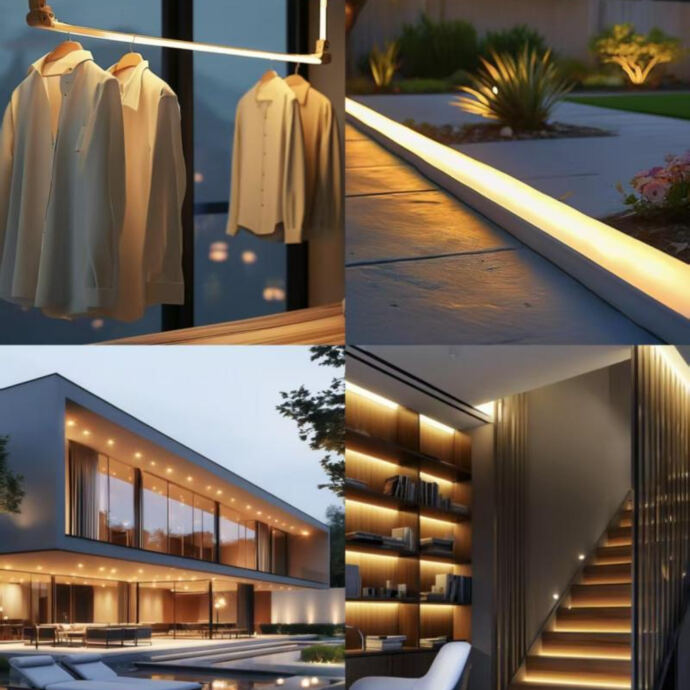
Lighting technology has evolved rapidly over the past decade, with LED light strips emerging as a versatile, energy-efficient, and aesthetically pleasing solution for a wide variety of applications. Among these, high voltage light strip have carved out a niche, especially for large-scale commercial, architectural, and outdoor projects. But before diving into your next high voltage LED strip purchase, it’s essential to understand the nuances of power, efficiency, and key considerations to ensure a successful installation.
In this comprehensive guide, we’ll explore what high voltage light strips are, why they matter, how they differ from low voltage options, and what you need to know before you invest.
What Are High Voltage Light Strips?
High voltage LED strips are designed to operate directly on mains voltage, typically ranging from 110V to 240V AC, depending on your region. Unlike traditional low voltage LED strips (usually 12V or 24V DC) that require power supplies or drivers, high voltage strips can be connected directly to household or industrial power lines.
This design allows for:
Longer runs: High voltage strips can be installed over greater distances without voltage drop issues common with low voltage systems.
Simplified wiring: Eliminates the need for multiple power supplies and complex voltage conversions.
Increased durability: Often encased in weather-resistant materials, suitable for outdoor and industrial environments.
Why Choose High Voltage LED Strips?
1. Longer Continuous Runs Without Voltage Drop
One of the biggest challenges with low voltage LED strips is voltage drop—the decrease in voltage along the length of the strip, causing LEDs farther from the power source to dim or change color. High voltage strips reduce this issue dramatically. Because they operate on higher voltage, the current draw is lower over long distances, which means you can install runs of 50 meters or more without brightness loss.
2. Simplified Power Infrastructure
High voltage strips can be plugged directly into AC mains, simplifying installation in large spaces. This means fewer power supplies, less wiring complexity, and often a more cost-effective setup for large-scale projects.
3. Robustness and Outdoor Use
Many high voltage LED strips come with IP65, IP67, or even IP68 waterproof ratings. Combined with their ability to handle direct AC power, they’re a natural fit for outdoor lighting applications such as building facades, landscape lighting, and signage.
Understanding Power and Efficiency in High Voltage Strips
When selecting a high voltage LED strip, understanding power consumption and efficiency is crucial to making a good choice.
Power Consumption
High voltage LED strips usually list power consumption in watts per meter (W/m). This rating gives you an idea of how much electricity the strip will consume over a length of one meter. Common power ratings range from 4.8W/m for low brightness strips up to 20W/m or more for ultra-bright variants.
Efficiency (Lumens per Watt)
Efficiency measures how much visible light (lumens) is produced for each watt of power consumed. Higher efficiency means more brightness for less energy, which translates into lower electricity costs and less heat generation.
When shopping, look for LED strips with high lumens per watt ratings (above 80 lm/W is good; premium strips reach 100 lm/W or more). Efficient strips help reduce operational costs and contribute to sustainability.
Key Technical Considerations Before You Buy
Voltage Compatibility
Ensure the LED strip you choose matches your local power supply voltage. While many high voltage strips are designed for universal AC input (110V-240V), always verify the specifications. Using a strip with incorrect voltage rating can cause failure or safety hazards.
Length and Connectivity
High voltage strips excel at long runs, but manufacturers usually specify a maximum recommended continuous length. Exceeding this can cause performance issues or safety risks. Plan your layout accordingly, and use appropriate connectors or junction boxes for segmented runs.
Power Factor and Safety Certifications
Look for LED strips with high power factor ratings (closer to 1) to ensure efficient use of electricity. Also, check for safety certifications such as CE, UL, or RoHS to ensure compliance with local regulations and reduce risks.
Waterproofing and Housing
For outdoor or humid environments, ensure the strips have appropriate IP ratings and are housed in protective casings. Silicone coatings and aluminum channels are common solutions that improve longevity.
Dimming and Control Compatibility
If you want adjustable brightness or color control, confirm the strip supports dimming and works with your control system. Some high voltage strips are dimmable via TRIAC dimmers, 0-10V controls, or smart home systems, but compatibility varies.
Installation Tips for High Voltage LED Strips
Professional Wiring: High voltage wiring should be handled by qualified electricians to ensure compliance with electrical codes and safety.
Proper Mounting: Use appropriate mounting channels, clips, or adhesives to ensure strips stay in place and maintain heat dissipation.
Avoid Overloading Circuits: Calculate total wattage to avoid overloading electrical circuits, which can cause tripping or damage.
Testing Before Final Installation: Always test strips before final mounting to avoid costly rework.
Common Applications for High Voltage LED Strips
Architectural Facades: Highlight building contours with long continuous runs.
Retail and Commercial Lighting: Bright, consistent illumination for signage and displays.
Outdoor Landscape Lighting: Weatherproof strips for gardens, pathways, and decks.
Industrial Spaces: Durable lighting for warehouses or factory floors.
Event and Stage Lighting: Versatile lighting solutions with long cable runs and easy setup.
Advantages Over Low Voltage LED Strips
| Feature | High Voltage LED Strips | Low Voltage LED Strips |
|---|---|---|
| Max Run Length | Up to 50+ meters | Typically 5-10 meters before voltage drop |
| Power Supply Needed | No external driver required | Requires drivers/power supplies |
| Installation Complexity | Simplified wiring for long runs | More complex due to multiple power supplies |
| Safety Considerations | Requires high voltage precautions | Lower voltage, generally safer to handle |
| Efficiency | Comparable with modern LED technology | Comparable but depends on quality |
| Cost | Often cheaper for long installations | Higher due to multiple components |
What to Watch Out For: Potential Downsides
Safety Risks: Handling mains voltage requires care. Improper installation can lead to electrical hazards.
Less Flexibility in Customization: Some high voltage strips offer fewer options for color control or smart features compared to low voltage RGB strips.
Heat Dissipation: High power consumption strips may generate heat that needs management with heat sinks or channels.
Final Thoughts: Making the Right Choice
High voltage LED strips offer a robust, efficient, and cost-effective solution for large lighting projects requiring long continuous runs and direct AC power connection. They simplify wiring and reduce the need for bulky power supplies while delivering high brightness and durability.
However, success depends on understanding power ratings, efficiency, installation requirements, and safety precautions. Before you buy:
Assess your project scale and power infrastructure
Check voltage and length compatibility
Confirm IP rating for your environment
Factor in control and dimming needs
Engage qualified professionals for installation
By doing so, you can enjoy vibrant, energy-saving, and long-lasting lighting that transforms your space with the simplicity and power of high voltage LED technology.