
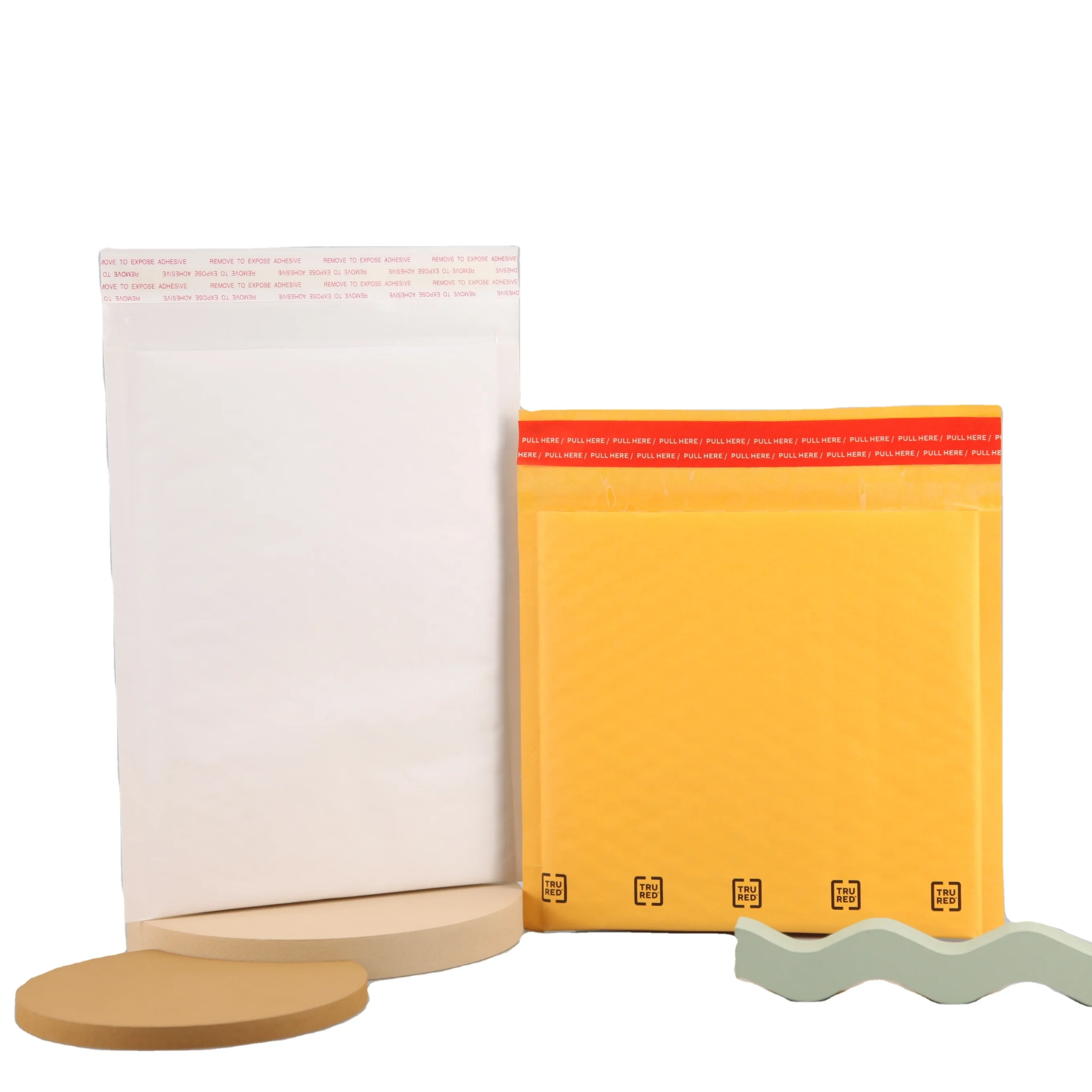
In the world of e-commerce, retail, and shipping logistics, the packaging materials you choose can significantly impact your business. From shipping fragile products to ensuring sustainability, packaging is no longer just about containment—it’s about honeycomb bag protection, presentation, and responsibility. Two of the most commonly used options for small- to medium-sized items are honeycomb bags and bubble mailers. While both serve the primary purpose of protecting items during transit, they differ greatly in structure, material composition, environmental impact, and performance. So, which is better? Let’s dive into the details.
What Are Honeycomb Bags?
Honeycomb bags, also known as honeycomb padded mailers or paper-padded mailers, are made from kraft paper and feature a cushioning layer formed by a honeycomb pattern. This unique design mimics the structure of a beehive, offering a surprisingly strong and resilient padding layer without relying on plastic or synthetic materials.
These bags are often fully recyclable and biodegradable, making them increasingly popular among businesses aiming for more eco-conscious operations. The outer and inner layers are typically paper-based, with the honeycomb cells formed by a mesh of expanded kraft paper that provides shock absorption.
What Are Bubble Mailers?
Bubble mailers, on the other hand, are a more traditional shipping solution, usually consisting of a plastic outer layer and an interior lining of air-filled plastic bubbles. The bubbles provide cushioning by absorbing shocks and impacts during transit. Available in both poly (plastic) and kraft (paper) outer shells, bubble mailers have been a staple in packaging for decades because of their effectiveness in protecting delicate or breakable items.
Protection and Durability
Bubble Mailers:
Bubble mailers are widely known for their excellent protective qualities. The internal bubble wrap creates an air cushion around the contents, which is highly effective at absorbing shocks, drops, and vibrations. They are particularly well-suited for fragile items like electronics, cosmetics, and jewelry. In rainy or humid conditions, poly bubble mailers also provide water resistance, helping to prevent moisture damage.
Honeycomb Bags:
Honeycomb mailers offer a surprising level of protection for something made entirely out of paper. The hexagonal structure of the inner paper layer provides a compressive resistance that helps absorb shocks. While they may not offer the same level of impact resistance as bubble mailers, they are still more than adequate for many items such as books, clothing, or boxed goods that don’t require extreme cushioning. However, they may not be the best choice for very fragile or liquid-sensitive items unless paired with additional protective measures.
Winner: Bubble Mailers
When it comes strictly to impact protection, bubble mailers have the edge. Their cushioning is superior, especially for items that are prone to breaking during transit.
Sustainability and Environmental Impact
Honeycomb Bags:
This is where honeycomb bags truly shine. Made almost entirely of kraft paper, they are usually 100% recyclable and biodegradable. Many brands even offer honeycomb mailers made from recycled paper, adding another layer of eco-friendliness. Since they’re free of plastic, they don’t contribute to microplastic pollution or landfill buildup, assuming the customer disposes of them properly.
Bubble Mailers:
Despite their effectiveness, bubble mailers fall short in sustainability. Most are made from mixed materials—paper and plastic fused together—making them difficult or impossible to recycle. While poly bubble mailers may be recyclable at specific plastic drop-off points, the reality is that most consumers don’t go through the extra effort. Even recyclable bubble mailers can end up in landfills or oceans, contributing to plastic pollution.
Winner: Honeycomb Bags
For businesses and consumers focused on reducing their environmental footprint, honeycomb bags are clearly the better choice.
Ease of Use
Bubble Mailers:
Bubble mailers are lightweight and easy to seal. Most come with a self-adhesive strip, and their pliable structure makes it easy to stuff irregularly shaped items inside. They are available in many sizes and styles, giving shippers flexibility in choosing the right packaging for the product.
Honeycomb Bags:
Honeycomb mailers also offer self-sealing options and are similarly easy to use. However, because they are made of thicker paper, they may be slightly less pliable, which can make packaging oddly shaped items a bit more challenging. Still, they provide a clean, professional look and feel.
Winner: Tie
Both types of mailers are user-friendly, although bubble mailers might offer slightly more flexibility when packing awkward shapes.
Cost Considerations
Bubble Mailers:
In general, bubble mailers are cheaper to produce and purchase, particularly when bought in bulk. Their long-standing market presence has led to economies of scale that reduce their price point. For businesses with tight shipping budgets, this can be an important factor.
Honeycomb Bags:
Because of their sustainable materials and often more complex manufacturing process, honeycomb bags tend to be a bit more expensive than their plastic counterparts. However, the price gap is narrowing as demand for eco-friendly packaging increases and more suppliers enter the market.
Winner: Bubble Mailers (for now)
In terms of upfront cost, bubble mailers remain more affordable. However, long-term costs—such as environmental damage, brand perception, and potential regulation changes—might shift this balance over time.
Branding and Customer Perception
Honeycomb Bags:
Many consumers are increasingly mindful of sustainability and eco-conscious packaging. Sending a product in a honeycomb bag sends a clear message that your brand is environmentally responsible. These bags have a natural, minimalist aesthetic that aligns well with premium, organic, or eco-luxury products.
Bubble Mailers:
While bubble mailers are practical, they don’t offer the same “green” perception as honeycomb bags. A poly bubble mailer might be seen as cheap or environmentally harmful, especially if it arrives damaged or appears wasteful in relation to the product it contains.
Winner: Honeycomb Bags
If branding and customer perception are priorities, honeycomb bags can elevate the unboxing experience and reinforce your brand’s values.
Performance in Real-World Scenarios
E-commerce Businesses:
For companies shipping thousands of packages a month, the type of product they sell will dictate the best mailer. Apparel companies, book retailers, and sustainable brands will likely find honeycomb mailers ideal. Tech companies or those shipping small, fragile goods might prefer bubble mailers.
Returns and Reuse:
Bubble mailers are often more durable for return shipments, thanks to their plastic shell. However, some honeycomb bags are designed for dual use, offering resealable strips or added durability.
International Shipping:
For longer shipping durations or rough handling in transit, bubble mailers offer more peace of mind. But with appropriate labeling and care, honeycomb bags can perform well even in international logistics.
Final Verdict: Which Is Better?
Choosing between honeycomb bags and bubble mailers ultimately comes down to your priorities:
If protection and cost are paramount, bubble mailers are the better option.
If sustainability, brand image, and customer perception matter more, then honeycomb bags are the smarter choice.
For many businesses, a hybrid approach works best—using bubble mailers for particularly fragile items and honeycomb bags for everything else. As the packaging industry evolves, and as consumers continue to demand eco-friendly options, honeycomb bags are likely to become the dominant solution.
So next time you’re deciding how to ship your products, think beyond just cost or protection. Consider the broader message you’re sending with your packaging—because your mailer might be the first physical interaction a customer has with your brand. Make it count.