
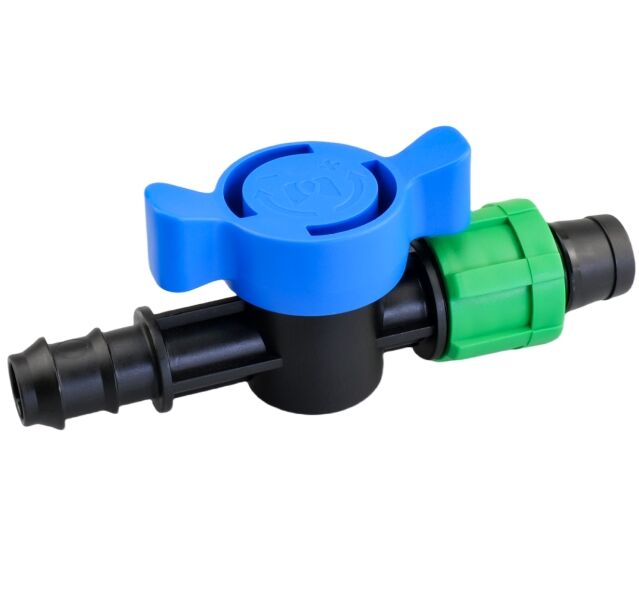
Water scarcity is an increasing concern across the globe, particularly in drought-prone regions. Climate change, population growth, and inefficient water management have exacerbated water shortages, making it increasingly difficult to sustain agriculture and other water-dependent activities. In such areas, drip irrigation tape water is of paramount importance, not just for ensuring food security, but also for protecting local ecosystems and communities. One solution that has gained significant attention in recent years is drip irrigation, a method of watering plants that delivers water directly to the root zone, minimizing waste and maximizing efficiency.
What Is Drip Irrigation?
Drip irrigation is a method of irrigation that involves the slow and controlled delivery of water to plants’ roots through a network of tubes, pipes, and emitters. Unlike traditional surface irrigation methods, which flood fields or spray water over a large area, drip irrigation targets the root zone of each plant. Water is delivered in small quantities directly to where it is needed, preventing overwatering and reducing evaporation losses. The system is designed to provide consistent moisture to crops, thereby enhancing water use efficiency.
In drought-stricken regions where water resources are limited, drip irrigation presents a promising solution to conserve water and support sustainable agriculture. The ability to control and precisely measure the amount of water delivered to crops ensures that water is not wasted, making it a crucial tool in managing limited water resources.
Water Conservation Benefits of Drip Irrigation
One of the most significant advantages of drip irrigation is its ability to conserve water. Traditional irrigation methods, such as flood and sprinkler irrigation, often result in substantial water loss due to evaporation, runoff, and deep percolation. In contrast, drip irrigation minimizes these losses by delivering water directly to the soil surface near the plant roots. This localized approach reduces the amount of water lost to evaporation and runoff, ensuring that a higher percentage of the water applied is actually absorbed by the plants.
In areas facing water scarcity, drip irrigation can reduce the amount of water needed to maintain crops. For example, studies have shown that drip irrigation can reduce water usage by up to 50% compared to conventional irrigation methods. This significant reduction in water consumption can help extend the available water supply and ensure that crops receive the necessary moisture for growth, even during periods of drought.
Minimizing Water Loss Through Evaporation
Evaporation is a major contributor to water loss in traditional irrigation systems. When water is sprayed over the soil or allowed to flood a field, a significant portion of it evaporates into the atmosphere before it reaches the plants. In arid and semi-arid regions, where temperatures can be extremely high, evaporation can account for up to 50% of water loss in conventional irrigation systems.
Drip irrigation helps mitigate this problem by delivering water directly to the plant roots, reducing the surface area of the soil that is exposed to air. This localized application reduces the chances of evaporation, especially when the irrigation is done during cooler parts of the day, such as early mornings or evenings. By minimizing evaporation, drip irrigation ensures that more water reaches the plants, making the entire irrigation process more efficient.
Reducing Runoff and Deep Percolation Losses
Runoff and deep percolation are common problems in traditional irrigation systems, where water is applied in large volumes. Runoff occurs when excess water flows over the surface of the soil, often carrying away valuable nutrients and fertilizers along with it. Deep percolation happens when water penetrates too deeply into the soil, beyond the root zone, and is lost to groundwater. Both of these issues contribute to water wastage, making it difficult to maintain crops in water-scarce regions.
With drip irrigation, water is delivered directly to the root zone in controlled amounts, reducing both runoff and deep percolation. The water applied through the system is absorbed more efficiently by the soil, ensuring that it remains in the root zone where it is needed most. This precise application of water also helps minimize the risk of soil erosion and nutrient leaching, further contributing to the overall health of the soil and the sustainability of farming practices.
Improved Crop Yield and Quality
Drip irrigation not only conserves water but also has the potential to improve crop yield and quality. By providing consistent and optimal moisture levels to plants, drip irrigation helps prevent water stress, which can negatively affect plant growth. Water stress occurs when plants do not receive enough moisture, causing them to wilt or exhibit stunted growth. This stress can lead to lower yields and poor-quality produce.
By maintaining a steady supply of water directly to the plant roots, drip irrigation ensures that crops remain hydrated, which in turn enhances their growth and overall health. Research has shown that crops grown with drip irrigation tend to have higher yields and better-quality produce compared to those grown with traditional irrigation methods. This is particularly important in drought-prone regions, where every drop of water counts and maximizing crop productivity is crucial for food security.
Efficient Fertilizer and Pesticide Application
In addition to conserving water, drip irrigation allows for the efficient application of fertilizers and pesticides. Fertilizers are often dissolved in water and delivered directly to the root zone along with irrigation, a process known as fertigation. This method ensures that the nutrients are absorbed by the plants more efficiently, reducing waste and the potential for nutrient runoff into the surrounding environment.
The ability to apply fertilizers and pesticides precisely through the drip system also reduces the need for excessive chemical applications, which can have harmful effects on the environment and human health. By minimizing the use of chemicals and ensuring that they are delivered directly to the plants, drip irrigation promotes more sustainable farming practices, benefiting both the farmer and the local ecosystem.
Cost-Effectiveness and Economic Viability
While the initial installation of a drip irrigation system can be expensive, the long-term benefits often outweigh the costs, especially in regions with limited water resources. The water savings achieved through drip irrigation can lead to reduced water bills, lower energy costs for pumping water, and decreased labor requirements for irrigation management. Additionally, by improving crop yields and quality, drip irrigation can help farmers increase their revenue, making the investment more economically viable over time.
In many cases, governments and organizations offer subsidies or financial assistance to encourage the adoption of water-saving technologies like drip irrigation. This support can help offset the initial costs and make the system more accessible to farmers in drought-prone areas.
Challenges and Considerations
While drip irrigation offers numerous benefits, it is not without its challenges. The installation and maintenance of drip systems require a certain level of expertise and investment, which may be difficult for some farmers to afford. The system must be carefully designed to match the specific needs of the crops and the local environment, requiring proper planning and knowledge of soil types, water quality, and climate conditions.
Additionally, drip irrigation systems are susceptible to clogging, especially if the water used contains high levels of sediment or impurities. Regular maintenance and filtration are necessary to ensure the system remains functional and efficient. Despite these challenges, the advantages of drip irrigation in water conservation, crop productivity, and sustainability make it a valuable tool for farmers in drought-affected areas.
Conclusion
In regions facing water scarcity and drought, the need for efficient water management has never been more pressing. Drip irrigation offers a practical and effective solution to conserve water, improve agricultural productivity, and promote sustainable farming practices. By delivering water directly to the root zone, minimizing evaporation and runoff, and improving crop yields, drip irrigation helps ensure that water resources are used wisely and efficiently. Although the initial costs may be high, the long-term benefits of drip irrigation make it a sound investment for farmers in drought-prone areas, contributing to both economic stability and environmental sustainability. As the world continues to face the challenges of water scarcity, adopting water-efficient irrigation methods like drip irrigation will be essential for securing food production and protecting vital water resources for future generations.