
Power conversion systems are at the heart of modern industrial applications, renewable energy technologies, electric vehicles (EVs), and countless other electrical systems. These systems rely heavily on semiconductor devices to manage the flow and transformation of electrical power efficiently. Among the various types of semiconductors used for power conversion, Insulated-Gate Bipolar Transistor (IGBT) modules have emerged as a revolutionary technology. Their ability to handle high voltage and current levels, combined with excellent efficiency, has transformed power systems across numerous industries.
What is an IGBT Module?
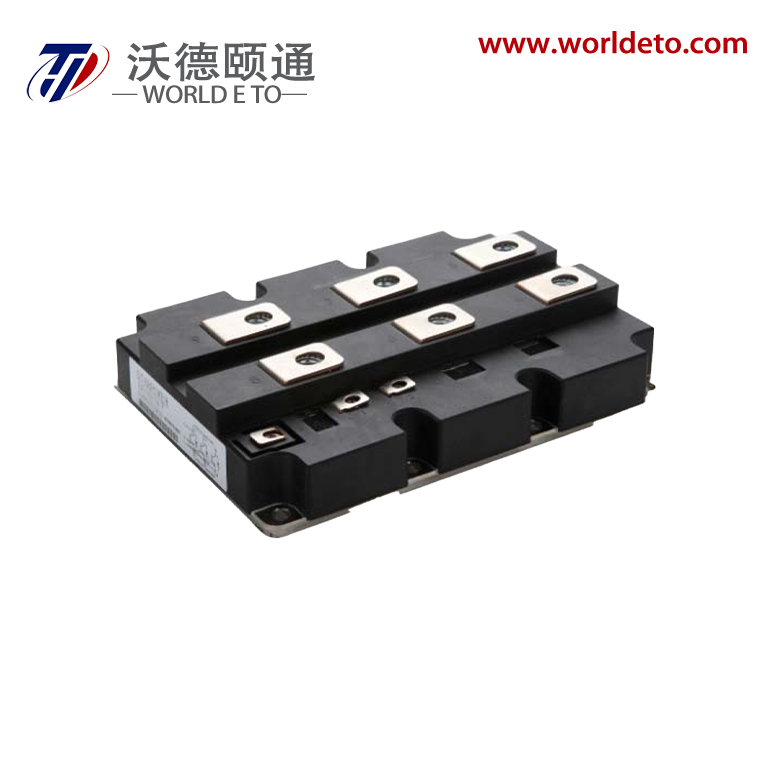
IGBTs combine the best features of bipolar transistors and MOSFETs (Metal-Oxide-Semiconductor Field-Effect Transistors). They offer the high-speed switching capabilities of MOSFETs with the high-current carrying capacity of bipolar transistors, making them an ideal choice for power conversion systems. An IGBT module is a package that contains multiple IGBT chips along with other components such as diodes and control circuitry, all integrated into a single unit. This modular design simplifies the application of IGBTs in power conversion systems, ensuring better performance and reliability.
1. Enhancing Efficiency in Power Conversion
One of the primary reasons IGBT modules are revolutionizin g IGBT module power conversion systems is their exceptional efficiency. In power electronics, efficiency is crucial because even minor losses in energy conversion can lead to significant costs and performance degradation. IGBTs can operate at high switching frequencies with minimal switching losses, making them highly efficient for converting DC to AC or controlling the flow of power in AC systems.
In renewable energy systems, such as solar and wind power, where energy output can fluctuate and needs to be regulated precisely, IGBT modules offer the necessary power conversion and regulation capabilities. The efficiency and reliability of IGBT modules are enabling these systems to become more stable and cost-effective, making renewable energy more viable for widespread use.
2. Improving Power Handling Capabilities
IGBT modules are particularly adept at handling high voltages and currents, making them invaluable in industries that require the conversion of large amounts of power. For example, in the electric vehicle industry, IGBTs are used to manage the power delivered from the battery to the motor, enabling smooth and efficient vehicle performance. These modules also help in minimizing energy losses during power conversion, which is crucial for extending the driving range of electric vehicles.
In industrial applications, such as motor drives, IGBT modules control the speed and torque of electric motors, helping improve energy consumption and reduce operational costs. The high power handling capabilities of IGBTs make them ideal for use in heavy-duty applications, where traditional semiconductor devices would fail to meet the performance demands.
3. Enabling Compact and Reliable Systems
The modular design of IGBT modules has also contributed to more compact and reliable power conversion systems. These modules integrate several components into a single package, reducing the size and complexity of the system. The integration of multiple IGBT chips and diodes in one module also enhances the overall reliability of the system by reducing the number of failure points.
Additionally, IGBT modules are designed to operate in demanding environments, making them highly durable and capable of withstanding extreme conditions. This is particularly beneficial in industries such as aerospace, automotive, and industrial automation, where the reliability of power conversion systems is critical to safety and performance.
4. Supporting the Growth of Electric Vehicles
The rise of electric vehicles (EVs) has significantly increased the demand for efficient power conversion systems. IGBT modules are at the forefront of this transition. These modules control power flow between the battery, inverter, and electric motor, enabling smooth acceleration, braking, and energy regeneration. The high efficiency and reliability of IGBT modules allow EVs to achieve higher performance while reducing energy losses, which directly contributes to extended driving ranges and reduced charging times.
As electric vehicles become more mainstream, IGBT modules will play a critical role in meeting the power conversion needs of this rapidly expanding market. Their ability to efficiently convert and control electrical power ensures that EVs are both high-performing and energy-efficient.
5. Enabling Smart Grids and Renewable Energy Integration
IGBT modules are also playing a key role in the development of smart grids and the integration of renewable energy into the power grid. Smart grids require sophisticated power conversion and control systems to manage the varying power demands and supply from renewable sources like solar and wind. IGBT modules facilitate the conversion of power from these sources and ensure that it can be effectively integrated into the grid.
The ability of IGBT modules to handle high-frequency switching and large power loads makes them ideal for applications like grid stabilization, power distribution, and voltage regulation. As the world moves toward cleaner and more sustainable energy systems, IGBT modules are becoming a critical component in facilitating the transition to a smarter and more resilient electrical infrastructure.
Conclusion
IGBT modules are truly revolutionizing power conversion systems. Their efficiency, power handling capabilities, and compactness are transforming industries ranging from renewable energy to electric vehicles, industrial automation, and beyond. By enabling more efficient, reliable, and cost-effective power conversion, IGBT modules are playing a pivotal role in the development of next-generation power systems. As technology continues to evolve, IGBT modules will undoubtedly remain a cornerstone of the future of power electronics.