
Embroidery is a beautiful craft that transforms simple fabric into stunning works of art. Whether you are a embroidery thread beginner or a seasoned pro, one of the most crucial decisions you will make is choosing the right embroidery thread for your project. The thread you pick can affect everything from the appearance and durability of your design to the ease of stitching and the overall satisfaction of the finished piece. In this blog post, we’ll dive deep into the world of embroidery threads, helping you understand the types, qualities, and considerations necessary to select the perfect thread for your next embroidery masterpiece.
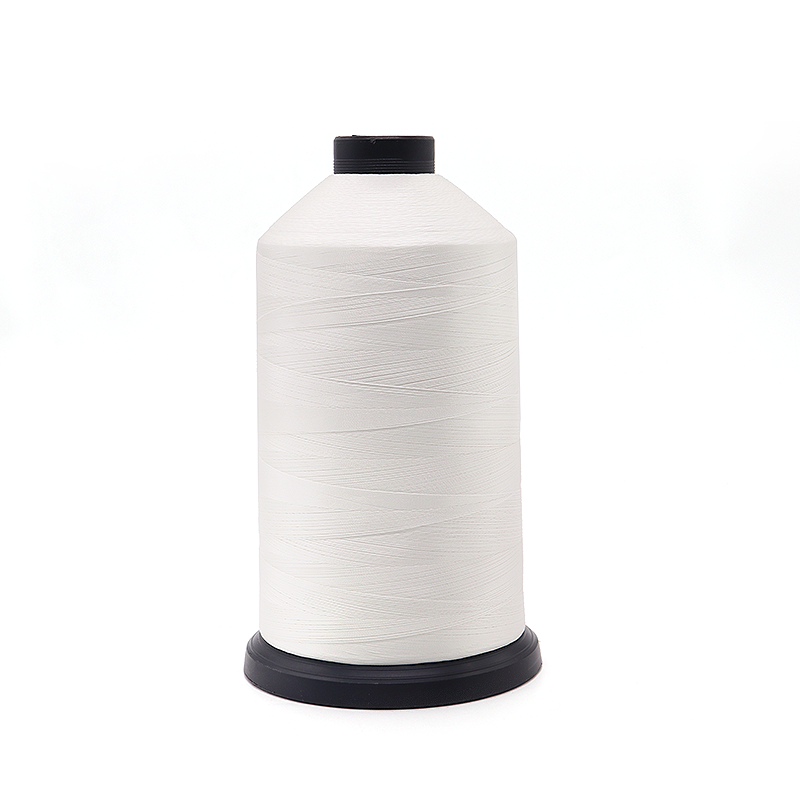
Understanding the Basics of Embroidery Thread
Before exploring the different types, it’s important to understand what embroidery thread is and why it matters. Embroidery threads are specialized threads designed to create decorative stitching on fabric. Unlike regular sewing thread, embroidery threads are made with a focus on color vibrancy, texture, and sheen. They come in a wide range of colors, weights, and materials, each suited to different styles and techniques.
The right thread enhances the design’s clarity, color richness, and durability. On the other hand, choosing an unsuitable thread may lead to frustration such as thread breakage, tangling, or a less attractive finished product. Knowing your thread inside out helps you avoid these pitfalls.
Types of Embroidery Threads
The material of the thread is often the first factor to consider. The most common types of embroidery thread are cotton, polyester, rayon, silk, and metallic. Each has unique qualities and ideal uses.
Cotton Embroidery Thread
Cotton thread is a classic choice, loved for its matte finish and natural texture. It’s soft, easy to work with, and great for hand embroidery projects like crewelwork or cross-stitch. Cotton thread is often mercerized, meaning it’s treated to increase strength and add a subtle sheen. It’s an excellent option if you want a traditional, vintage look.
However, cotton thread may not be the best choice for machine embroidery or projects requiring high durability, as it tends to fray and break more easily compared to synthetic threads.
Polyester Embroidery Thread
Polyester thread is a versatile and durable synthetic thread with a slight sheen. It’s highly resistant to fading, shrinking, and mildew, making it a great choice for projects exposed to sunlight or washing. Because of its strength, polyester is a favorite for machine embroidery, especially on fabrics that will undergo heavy use or frequent laundering.
It’s less breathable than cotton, which can be a consideration if you’re embroidering on clothing worn close to the skin.
Rayon Embroidery Thread
Rayon thread is prized for its brilliant shine and smooth texture. It creates vibrant, glossy finishes that make designs pop. Rayon is widely used in machine embroidery where color impact is crucial.
The downside is rayon’s reduced durability compared to polyester. It’s prone to breaking under high tension or in humid environments. Careful handling and moderate stitching speeds are essential when working with rayon.
Silk Embroidery Thread
Silk thread is a luxurious choice for high-end embroidery. It combines incredible strength with a natural shine and softness. Silk’s fine texture allows for exquisite detailing, making it ideal for heirloom projects or embellishments.
Due to its cost and delicacy, silk thread is usually reserved for special projects. It requires a smooth needle and gentle handling to avoid fraying.
Metallic Embroidery Thread
Metallic threads add sparkle and glamour to embroidery projects. They are often made from a synthetic core wrapped in metallic foil or polyester film. Metallic threads can be challenging to work with as they tend to be less flexible and may break or tangle easily.
Using metallic thread is best for accenting designs rather than filling large areas. Modern metallic threads have improved durability, but you should still use a larger needle and slower stitching speeds.
Consider Thread Weight and Thickness
Thread weight refers to the thickness of the thread and is an important factor affecting the appearance of your embroidery. Thread weight is often denoted by a number; smaller numbers mean thicker thread, while larger numbers indicate finer thread.
For example, a 40-weight thread is thicker and covers more fabric area with fewer stitches, ideal for bold designs or satin stitches. A 60-weight thread is thinner and better suited for detailed work or fine outlines.
Matching thread weight to the fabric and design complexity ensures balanced results. Thicker thread on a lightweight fabric can cause puckering, while very fine thread on heavy fabric may not stand out.
Matching Thread to Fabric Type
The fabric you embroider on greatly influences the choice of thread. Heavy fabrics like denim, canvas, or upholstery material require stronger threads such as polyester or heavy cotton to withstand wear and tear. Using thin rayon or silk thread on these fabrics could result in broken stitches.
Conversely, delicate fabrics like silk, chiffon, or organza demand fine, smooth threads like silk or fine cotton that won’t damage the fabric’s texture.
Also consider fabric weave — tightly woven fabrics support denser stitches, while loosely woven fabrics may benefit from lighter thread to avoid distortion.
Color and Finish: Beyond Basic Choices
Color selection is key to making your embroidery visually striking. Embroidery threads come in thousands of shades, so it helps to consider colorfastness and how the thread interacts with the fabric color.
- Colorfastness: Look for threads that resist fading or bleeding, especially for garments or items that will be washed frequently.
- Finish: Thread finish affects the sheen and texture. Choose between matte, glossy, or metallic finishes depending on your design needs.
Sometimes layering different finishes within a design creates interesting visual effects — for example, matte cotton combined with shiny rayon highlights.
Machine vs. Hand Embroidery Thread
Machine embroidery threads need to withstand the speed and tension of embroidery machines. Polyester and rayon are the most popular choices due to their strength and smoothness. They reduce lint buildup and minimize thread breaks.
For hand embroidery, the tactile feel and ease of handling are priorities. Cotton, silk, and embroidery floss are favored because they are easy to separate and manipulate.
Using the wrong type of thread for your method may cause frustration or subpar results.
Special Considerations: Washability, Lightfastness, and Durability
If your embroidery project is intended for clothing or household items, thread durability and care requirements are critical. Polyester threads generally offer the best washability and colorfastness. Cotton and rayon may fade or bleed over time.
Lightfastness refers to how well the thread resists fading when exposed to sunlight. This is especially important for outdoor textiles or items displayed near windows.
Durability also means how the thread holds up against friction and wear. Projects like bags or upholstery benefit from tough, synthetic threads.
Practical Tips for Choosing the Right Embroidery Thread
- Know Your Project: Consider the fabric type, embroidery technique (hand or machine), and end use.
- Test Samples: Try stitching a small test piece to see how the thread behaves and looks on your fabric.
- Buy Quality: Investing in reputable brands ensures consistent color and strength.
- Use the Right Needle: Match your needle size and type to the thread to reduce breakage.
- Store Threads Properly: Keep threads away from direct sunlight and moisture to preserve their quality.
Conclusion
Choosing the right embroidery thread may seem daunting at first, but understanding the types, qualities, and how they interact with your project helps you make informed decisions. The perfect thread enhances your creativity, makes stitching enjoyable, and ensures your embroidery stands the test of time. Whether you opt for the glossy sheen of rayon, the durability of polyester, or the classic feel of cotton, your thread choice will bring your artistic vision to life in the most vibrant and lasting way.
Ready to start your next embroidery project? Take your time selecting the thread, and watch your stitches shine!