
Doors are more than just entryways; they are the first line of defense for your home, a critical part of your property’s security, and an important aesthetic feature. Whether it’s the main entrance door, a patio door, or an interior door, maintaining it properly ensures not Door only its functionality but also its long-term durability. Regular care can prevent costly repairs and replacements, saving you time and money. In this post, we’ll dive deep into practical tips and techniques to keep your doors looking great and working smoothly for years to come.
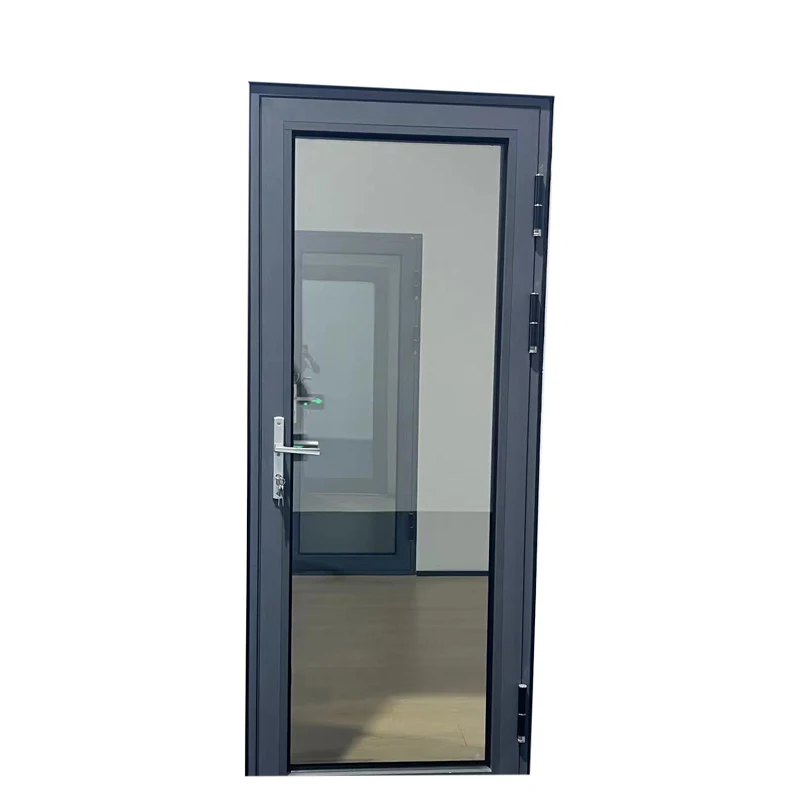
Understanding the Importance of Door Maintenance
Doors face constant use and exposure to various elements, depending on their location and material. Exterior doors are exposed to weather, temperature fluctuations, and sometimes pests, while interior doors endure daily opening and closing, accidental bumps, and humidity changes. Without proper maintenance, doors can warp, crack, become misaligned, or have their finishes deteriorate.
Maintaining your door is essential not just for aesthetics but also for energy efficiency. A poorly maintained door can let in drafts, causing heating and cooling inefficiencies that drive up energy bills. Additionally, a well-maintained door contributes to the security of your home by ensuring locks and hinges work properly.
Regular Cleaning to Preserve Appearance and Functionality
One of the simplest yet most effective ways to extend the life of your door is through regular cleaning. Dust, dirt, grime, and pollutants can accumulate on the door’s surface and hardware, leading to damage or corrosion over time.
For wooden doors, use a mild soap solution and a soft cloth to gently clean the surface. Avoid harsh chemicals that can strip away protective finishes. For painted doors, a similar mild cleaner works well, but take care not to scrub too hard and damage the paint. For metal doors, especially steel or aluminum, use non-abrasive cleaners to avoid scratches.
Make sure to clean door frames and thresholds too, since dirt buildup can affect door operation and cause unnecessary wear.
Inspecting and Maintaining Door Hardware
The locks, hinges, handles, and other hardware are crucial for door operation and security. These components should be inspected regularly for signs of wear, rust, or loosening.
Lubricating hinges with a light oil or silicone spray keeps them from squeaking and prevents corrosion. Be careful not to over-apply lubricant, as it can attract dust and grime. Lock mechanisms benefit from occasional lubrication as well — graphite powder is often recommended for locks to avoid gumming up.
Tighten any loose screws or replace worn-out hardware promptly to ensure the door operates smoothly and securely. If locks show signs of malfunction, have them repaired or replaced to maintain safety.
Weatherproofing and Sealing
Weather stripping and door seals protect your home from drafts, moisture, and pests. Over time, seals can wear down, crack, or peel away, reducing their effectiveness.
Check the weather stripping around exterior doors every six months and replace it if it looks damaged or compressed. Foam, rubber, or vinyl strips are common types, and replacements are widely available at hardware stores. Properly installed weather stripping not only keeps your home comfortable but also reduces energy costs.
Additionally, inspect door thresholds for damage or gaps and repair or replace as necessary. Ensure that the door fits snugly in the frame without excessive gaps.
Addressing Door Warping and Alignment Issues
Wooden doors are prone to warping when exposed to moisture or drastic temperature changes. Warped doors may stick, fail to latch properly, or allow drafts.
To prevent warping, maintain consistent humidity levels inside your home, especially in areas where wooden doors are installed. Use a dehumidifier if necessary, and avoid excessive water exposure near the door.
If your door starts sticking or scraping the floor, it may need realignment or sanding. Adjust the hinges or plane the door edges carefully to restore proper fit. For metal or fiberglass doors, warping is less common, but dents or damage can also affect operation and should be addressed promptly.
Protecting Wooden Doors with Finishes
The finish on a wooden door serves as a protective layer against moisture, UV rays, and wear. Over time, finishes like paint, varnish, or stain can fade, crack, or peel.
Reapplying finish periodically is essential for long-term durability. Depending on exposure and use, this may be every few years. Sand the door lightly to remove old finish and smooth imperfections before applying a new coat.
Use exterior-grade finishes for outside doors to provide maximum protection. A good finish prevents water infiltration that causes swelling, cracking, and rot.
Preventing and Treating Rust on Metal Doors
Metal doors, especially those made from steel, can be vulnerable to rust if not properly cared for. Rust weakens the door’s structure and can cause unsightly stains.
Regularly inspect metal doors for signs of rust, especially around edges, hinges, and hardware. If you spot rust, sand the affected areas to bare metal, apply a rust inhibitor or primer, and repaint with a rust-resistant paint.
Maintaining the door’s finish and keeping it clean also helps prevent rust formation.
Handling Glass Components Carefully
Many doors include glass panels for aesthetics and light. These glass inserts require gentle care to avoid damage.
Clean glass with a non-abrasive cleaner and soft cloth. Avoid harsh chemicals that can damage seals or coatings. Inspect the seals around the glass for cracks or gaps and have them repaired to prevent moisture intrusion.
If the glass becomes cracked or broken, replace it promptly to maintain security and energy efficiency.
Seasonal Maintenance Tips
Seasonal changes can affect door condition in various ways. Here are some targeted maintenance tips to keep your doors in top shape year-round:
Spring: Clean away winter grime, inspect for damage caused by ice or snow, and reapply finish on wooden doors if needed.
Summer: Check and lubricate hinges and locks, and inspect weather stripping for heat-related degradation.
Fall: Tighten hardware, clean door surfaces, and prepare seals for colder weather.
Winter: Remove ice buildup gently to prevent damage, and keep an eye on drafts or swelling due to moisture.
When to Call a Professional
While much door maintenance can be done by homeowners, some issues require professional attention. If you notice major warping, structural damage, malfunctioning locks, or significant finish deterioration, a professional can provide repairs or recommend replacement.
Professionals can also perform door alignment and adjustment tasks with specialized tools to ensure perfect fit and function.
Final Thoughts
Maintaining your door is a straightforward investment that pays off in durability, security, and energy savings. By incorporating regular cleaning, hardware care, weatherproofing, and seasonal inspections into your routine, you ensure your door continues to serve you well for many years.
Remember, a door is more than just a piece of wood or metal — it’s a gateway to your home’s comfort and safety. Treat it with care, and it will reward you with long-term performance and beauty.