
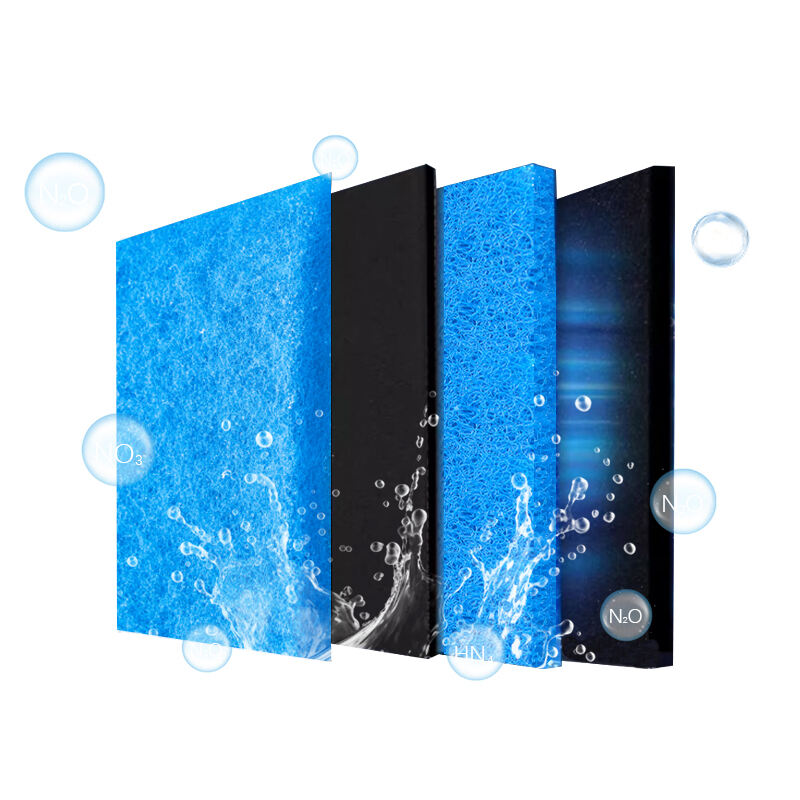
Koi ponds are more than just decorative water features; they are vibrant ecosystems that require careful maintenance to thrive. At the core of maintaining a balanced and healthy koi pond Koi Pond Filtration is an effective filtration system. Koi pond filtration doesn’t merely clean the water—it creates a stable environment for the fish, plants, and microorganisms that live within it. But what makes koi pond filtration so unique, and why is it crucial for the long-term success of your pond?
The Fundamental Purpose of Koi Pond Filtration
Unlike typical backyard pools that may only require basic filtration to remove debris, koi ponds must support a wide variety of organisms and maintain the delicate balance of water quality. Koi, while resilient and hardy, produce large amounts of waste that, if left unchecked, can lead to toxic levels of ammonia and nitrites. The filtration system serves several essential functions:
- Mechanical Filtration: This process removes visible debris such as fallen leaves, uneaten food, and other particles from the water. By preventing this organic matter from decomposing in the pond, it reduces the potential for harmful bacteria growth.
- Biological Filtration: The key to maintaining a healthy koi pond lies in the biological filtration. Beneficial bacteria break down harmful waste products such as ammonia and nitrites, converting them into less toxic nitrates, which can be absorbed by plants or removed through regular water changes. This is where the true magic of filtration occurs—the creation of a sustainable, natural ecosystem.
- Chemical Filtration: While less commonly used, chemical filtration can be necessary for dealing with specific issues such as excess phosphates or dissolved organic compounds that affect water clarity and quality. Activated carbon or other specific filtration media can be used for this purpose, but it’s typically a secondary layer of support in most koi pond systems.
Types of Filtration Systems
Koi pond filtration systems come in a variety of designs, each tailored to meet the unique needs of different pond sizes, water volume, and koi populations. The three primary types of filtration systems used for koi ponds are:
1. Pressurized Filtration Systems
Pressurized filters are typically used for ponds with higher volumes of water or those that experience higher fish loads. These systems are compact, easy to install, and capable of providing both mechanical and biological filtration in one unit. The pressurized design ensures that the water flows through the filter under pressure, which helps remove debris and maintain proper water circulation.
One unique feature of pressurized systems is their ability to work efficiently in ponds with less surface area or where space for a traditional filter isn’t available. They are ideal for ponds that need to be tucked into landscapes, where aesthetic concerns might prevent the use of larger, non-pressurized filters.
2. Gravity-Fed Filtration Systems
Gravity-fed systems work by utilizing gravity to draw water into the filter. This type of filtration system is best suited for larger ponds with ample space to accommodate the filter and the necessary plumbing. They tend to be more efficient than pressurized systems and require less maintenance, as the water flows naturally through the filtration media.
The water drawn into these filters often moves slowly, allowing ample time for the filtration process to take place. Gravity-fed systems often incorporate a series of filters, including mechanical, biological, and even UV clarifiers, all of which work together to ensure optimal water quality.
3. Fluidized Bed Filters
Fluidized bed filters are the most advanced and efficient systems available, providing exceptional biological filtration. These filters use small particles, such as sand or gravel, that are suspended in water. As water flows through the filter, the particles are kept in constant motion, creating a massive surface area for beneficial bacteria to thrive.
The sheer volume of bacteria in a fluidized bed filter means that it can process more waste, converting harmful substances into less toxic forms. Fluidized bed systems are often used for high-traffic ponds or ponds with a large number of koi, where the biological load is particularly heavy.
The Role of UV Clarifiers in Koi Pond Filtration
While the filtration system is crucial for maintaining water quality, another key player is the UV clarifier. UV (ultraviolet) clarifiers use light to eliminate free-floating algae that can cause water to appear green and murky. These units work by exposing the algae to UV light, which destroys the microorganisms and helps maintain clear, aesthetically pleasing water.
What makes UV clarifiers unique is that they focus on the microscopic algae that traditional mechanical filters might miss. This extra layer of filtration ensures that koi ponds remain not only healthy but also visually appealing.
The Importance of Regular Maintenance
Even the best filtration system requires regular upkeep to ensure that it continues to function properly. Neglecting the maintenance of the filtration system can lead to reduced performance, which compromises the overall health of the pond. The key tasks involved in maintaining a koi pond filtration system include:
- Cleaning filter media: Over time, filter media becomes clogged with debris, so it’s crucial to clean it regularly to ensure water can flow freely through the system. For biological filters, it’s important not to clean the media too vigorously, as this can harm the beneficial bacteria.
- Changing UV bulbs: UV clarifiers rely on bulbs that have a limited lifespan. To maintain efficient algae control, it’s essential to replace these bulbs according to the manufacturer’s recommendations.
- Checking water parameters: Regular water tests help you monitor pH levels, ammonia, nitrites, nitrates, and other key water quality indicators. This ensures that the filtration system is effectively managing the biological load in the pond.
- Seasonal maintenance: Depending on your location, pond filtration systems may need adjustments for seasonal changes. For instance, koi pond filters may need to be cleaned more frequently during the spring and fall, when debris from surrounding trees is more prevalent.
Innovative Trends in Koi Pond Filtration
As interest in koi ponds continues to grow, so too does innovation in filtration technology. Several trends are emerging, driven by both advances in materials and a deeper understanding of aquatic ecosystems:
- Eco-friendly Filtration Systems: Many koi pond owners are seeking more sustainable filtration solutions that minimize energy consumption and the use of harmful chemicals. Solar-powered pumps and low-energy UV clarifiers are gaining popularity as environmentally friendly options.
- Automated Monitoring Systems: Some advanced filtration setups now include automated monitoring systems that can track water quality in real-time, alerting owners to any changes in parameters that might indicate a problem. These systems can also adjust filtration processes automatically, optimizing the pond’s health without constant human intervention.
- Combination Filters: Many koi pond owners are opting for integrated filtration systems that combine mechanical, biological, and UV filtration in one compact, easy-to-maintain unit. These systems are often customizable and can be tailored to the specific needs of the pond, ensuring that the filtration process is as efficient as possible.
Conclusion: The Lifeblood of Your Koi Pond
In essence, koi pond filtration is far more than a technical necessity; it is the lifeblood of your aquatic ecosystem. A healthy filtration system fosters not just clean water, but a thriving, balanced environment where koi and aquatic plants can grow and flourish. With the right system in place and a commitment to maintenance, you’ll ensure that your koi pond remains a vibrant, sustainable ecosystem for years to come—an oasis of beauty, life, and serenity.