
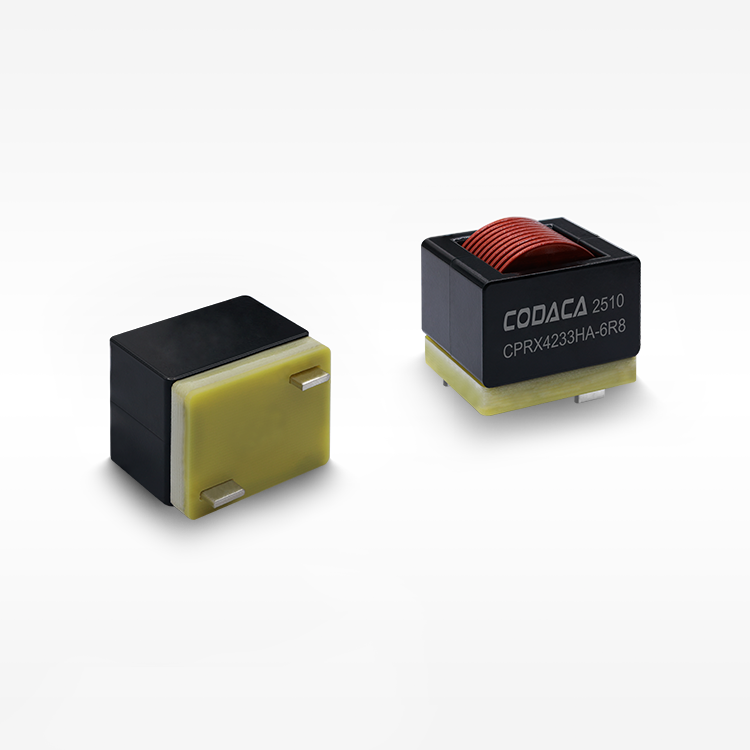
In the world of electronics, power management is a critical aspect that influences the efficiency, size, and overall performance of devices. One component that plays a pivotal role in power regulation and energy storage is the molded power inductor. A seemingly small and unassuming part, the molded power inductor has become an indispensable element in modern electronic systems, especially in applications requiring efficient power conversion, signal conditioning, and energy storage.
This article explores the intricacies of molded power inductors, highlighting their design, functionality, advantages, and applications. We will also explore how innovations in material science and manufacturing techniques are shaping the future of these essential components.
What is a Molded Power Inductor?
At its core, a molded power inductor is an electronic component that stores energy in the form of a magnetic field. It is essentially a coil of wire wrapped around a core, often made of ferromagnetic materials like ferrite or powdered iron. The key differentiator in a molded power inductor is its packaging – it is encapsulated in a molded resin or plastic casing, which serves several important functions: protecting the internal components, reducing electromagnetic interference (EMI), and improving thermal management.
The primary function of this inductor is to oppose changes in current by inducing a magnetic field. When an electrical current flows through the coil, a magnetic field is created, and any sudden changes in current are resisted by this field. This makes molded power inductors especially important in power supplies, voltage regulation modules (VRMs), and other devices where stable current flow is crucial.
Design and Construction of Molded Power Inductors
The design of molded power inductors is based on a combination of electromagnetic principles and modern engineering. Below are the key aspects of their construction:
1. Core Material
The core material is central to the inductive properties of the inductor. Ferrite and powdered iron are the most common materials used in molded power inductors. Ferrite cores are typically used for high-frequency applications due to their low losses at higher frequencies. Powdered iron cores are preferred for low-frequency applications due to their high saturation point and better handling of current spikes.
2. Wire Winding
The wire used in the inductor is typically copper or an alloy with high conductivity. The winding process involves tightly coiling the wire around the core. The number of turns in the coil, as well as the thickness of the wire, determines the inductance and current-carrying capacity of the inductor. In high-power applications, multiple layers of wire may be used to achieve the desired inductance.
3. Molding Resin
The molding resin serves several purposes: it holds the wire and core assembly in place, prevents physical damage, and protects against environmental factors like moisture and dust. The resin can also reduce the inductor’s susceptibility to mechanical stress, which can degrade its performance. Materials like epoxy, phenolic, or thermoplastic resins are commonly used for encapsulation.
4. Shape and Size
Molded power inductors come in various shapes and sizes depending on the application. Common forms include cylindrical, square, and shielded designs. The specific shape impacts the magnetic field efficiency, thermal properties, and the ability to reduce EMI. Smaller inductors are used in compact electronic devices, while larger ones are employed in power-hungry systems.
Working Principle of Molded Power Inductors
The working principle of a molded power inductor revolves around Faraday’s Law of Induction and Lenz’s Law, both of which govern electromagnetic phenomena. When an electric current flows through the winding, a magnetic field is created around the core. The inductor resists any change in the current by creating an opposing voltage, known as inductive reactance.
In simpler terms, when current changes rapidly (as seen in switching power supplies), the molded power inductor smooths out these fluctuations by storing energy in the magnetic field and releasing it as needed. This process helps to ensure that the system receives a steady and stable power supply.
Advantages of Molded Power Inductors
Compact Design
Molded power inductors are generally smaller and more compact compared to traditional inductors. This is especially beneficial for portable and consumer electronics where space is at a premium.Reduced Electromagnetic Interference (EMI)
The molded casing and tightly wound coils help shield the inductor from external EMI and prevent the inductor from emitting unwanted electromagnetic radiation. This is crucial for ensuring the smooth operation of sensitive devices like smartphones, computers, and medical equipment.Improved Thermal Management
Molded inductors are designed to handle heat more effectively. The resin casing helps dissipate heat, preventing the component from overheating. This is especially important in high-power applications where temperature control is critical.Enhanced Durability
The molding process ensures that the inductor is protected from environmental factors, such as moisture, dust, and physical impacts, which can lead to corrosion or failure in non-molded components.Cost-Effectiveness
Molded power inductors can be more cost-effective to manufacture, particularly when large quantities are required. The encapsulation process simplifies production and ensures consistent quality.
Applications of Molded Power Inductors
The versatility of molded power inductors means they are used across a wide range of applications:
Power Supplies
In power supply units (PSUs), molded power inductors are used to filter and regulate voltage, ensuring that devices receive the correct amount of power. They are commonly found in desktop computers, laptops, and industrial power systems.DC-DC Converters
Molded inductors are often used in DC-DC converters, which are essential in converting voltage from one level to another in power-efficient ways. These converters are found in everything from renewable energy systems to electric vehicles.Battery-Powered Devices
In portable electronics like smartphones, laptops, and tablets, molded inductors are used to manage power conversion and maintain energy efficiency, extending battery life and reducing energy consumption.Telecommunications
In telecommunications systems, where signal integrity is paramount, molded inductors help filter noise and maintain stable power delivery. They are also used in RF circuits to ensure proper signal conditioning.Automotive Electronics
Automotive electronics, including electric vehicles (EVs) and advanced driver-assistance systems (ADAS), require molded inductors for power management, voltage regulation, and EMI reduction.
The Future of Molded Power Inductors
With the advent of more sophisticated and power-hungry electronics, the demand for high-performance molded power inductors is expected to grow. Future trends may include:
Miniaturization: As devices become smaller and more powerful, the need for compact, high-performance inductors will drive innovations in design and materials.
Integration with Other Components: Future molded power inductors may be integrated with other components, such as capacitors and resistors, into single-package solutions that simplify circuit designs.
Advanced Materials: The development of new core materials with higher magnetic permeability and lower losses could enhance the efficiency and performance of molded power inductors.
Conclusion
Molded power inductors are a fundamental component in modern electronics, offering a unique combination of power regulation, energy storage, and electromagnetic shielding. Their compact design, cost-effectiveness, and enhanced durability make them ideal for a wide range of applications, from consumer electronics to automotive systems. As technology continues to evolve, molded power inductors will undoubtedly play an even more critical role in shaping the future of power electronics.