
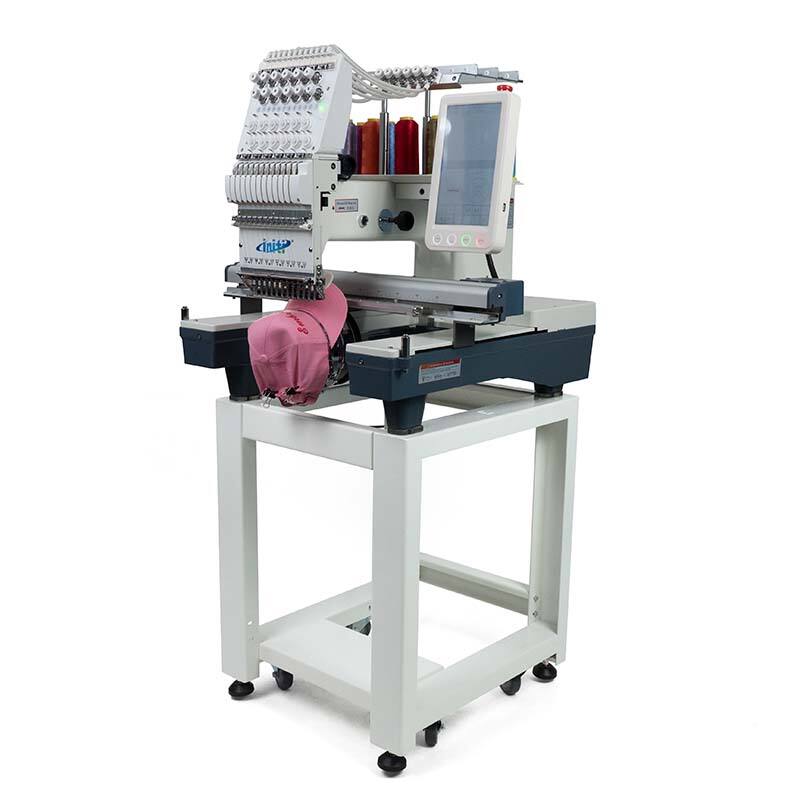
In the fast-paced world of manufacturing, efficiency, precision, and speed are paramount. Industries like textiles, pharmaceuticals, and packaging demand machinery that can meet high-volume production needs without compromising on quality. This is where Multi Head High Speed Tubular Machines shine, offering revolutionary advancements that redefine manufacturing processes.
What Is a Multi-Head High-Speed Tubular Machine?
A Multi-Head High-Speed Tubular Machine is a sophisticated industrial tool designed to streamline the production of tubular products, often used in packaging, textiles, and various other sectors. It incorporates multiple heads (usually 2 or more) operating simultaneously to increase production efficiency and speed, all while maintaining consistent quality.
The “tubular” aspect refers to the machine’s capability to process materials into tubular forms, such as films, fabrics, or other cylindrical structures. The “multi-head” configuration means that several heads can work in parallel, each performing tasks like extrusion, cutting, or stitching.
Key Features and Components of Multi-Head High-Speed Tubular Machines:
Multi-Head Configuration:
The core feature of these machines lies in their multiple working heads. Each head operates independently, allowing the machine to perform several tasks at once, which significantly boosts production capacity.High-Speed Performance:
As the name suggests, these machines are designed for high-speed operations. They can maintain peak performance even under continuous, long-hour production cycles, making them ideal for industries with high demand.Automatic Control Systems:
Modern Multi-Head Tubular Machines are integrated with intelligent automation systems. These systems allow operators to fine-tune the machine’s settings and optimize performance, even while working at high speeds. The automation ensures that each task is performed precisely and reduces the likelihood of human error.Advanced Materials Handling:
These machines often come with state-of-the-art material feeding systems that ensure a steady, uninterrupted flow of raw materials. High-precision sensors and monitoring devices allow the machine to adjust feeding speeds based on the material type, ensuring a smooth and consistent output.Precision Engineering:
The precision offered by these machines is vital for industries where quality control is non-negotiable. Tubular products, whether films, fabrics, or even medical devices, need to meet strict dimensional and functional standards. Multi-head machines are designed to handle this with extreme accuracy, providing uniform thickness, alignment, and shape consistency across multiple heads.
Applications Across Industries:
The versatility of Multi-Head High-Speed Tubular Machines makes them indispensable across a wide range of industries:
Textile Manufacturing:
The textile industry relies heavily on these machines for producing fabrics, such as knitted fabrics and tubular knitwear. The machine’s high-speed operations ensure that large volumes of material can be produced in minimal time, catering to the growing demand for fast fashion and other textile products.Packaging:
In the packaging industry, Multi-Head High-Speed Tubular Machines are used to produce high-quality, durable, and flexible packaging films. The ability to run multiple heads simultaneously allows manufacturers to increase production output without compromising the quality of the finished product.Pharmaceuticals:
Tubular machines are also used for manufacturing items like medical tubing, syringes, and other precision-dependent products. The high-speed capabilities and extreme accuracy of these machines ensure that products meet stringent regulatory standards while enabling high-volume production.Automotive and Aerospace:
Tubular machines are employed in producing parts like automotive seals, gaskets, and components that require a tubular structure. The precision and speed allow these industries to meet the high-performance demands of modern automotive and aerospace engineering.Plastic Processing:
For the production of plastic components like pipes, cables, and other tubular items, these machines are a crucial part of the supply chain. They allow manufacturers to keep up with the demand for lightweight, durable plastic products.
The Advantages of Multi-Head High-Speed Tubular Machines:
Increased Productivity:
The most obvious advantage is the speed. With multiple heads working simultaneously, production output can be greatly increased. This reduces lead times, helping manufacturers stay competitive in fast-moving markets.Cost Efficiency:
By streamlining the manufacturing process and reducing the need for multiple machines or workers, these systems help cut operational costs. The automation also reduces the reliance on labor, further lowering costs in the long term.Consistency and Quality Control:
The precision and automation offered by these machines ensure that products are made with consistent quality every time. This is crucial in industries that require exact specifications, such as medical and pharmaceutical manufacturing.Flexibility:
These machines are highly adaptable, able to process various materials such as plastic films, fabrics, and even metal tubes. Additionally, they can be easily reconfigured to cater to different product sizes, thicknesses, and materials.Minimal Downtime:
Maintenance is made easier due to automated diagnostic tools that detect and report potential issues before they cause significant downtime. This leads to higher uptime and more productive working hours.
The Future of Multi-Head High-Speed Tubular Machines:
As industries continue to demand higher speed, better quality, and lower costs, the evolution of Multi-Head High-Speed Tubular Machines will be shaped by several technological advancements:
Integration with AI and Machine Learning:
Future iterations of these machines will likely incorporate artificial intelligence and machine learning algorithms. This could allow for even better quality control, predictive maintenance, and more efficient operation.Sustainability Focus:
With increasing pressure to adopt more eco-friendly manufacturing processes, future multi-head machines will likely focus on minimizing waste and energy consumption. Innovations could include machines that work more efficiently with biodegradable materials or utilize energy recovery systems.Enhanced Customization:
Manufacturers may look to create machines that are even more customizable, allowing for rapid changes in production runs, without compromising speed or quality. These innovations will further push the boundaries of what’s possible in manufacturing.Smart Integration:
Expect to see multi-head machines integrated more deeply with supply chain management systems and other digital tools. Real-time data sharing between machines, warehouses, and suppliers could optimize inventory, production rates, and even delivery schedules.
Conclusion:
Multi-Head High-Speed Tubular Machines have already had a profound impact on a variety of industries, from textiles to pharmaceuticals, enabling manufacturers to meet rising demand while maintaining quality. With advancements in technology, these machines are set to become even more efficient, versatile, and integral to global production systems. As industries continue to grow and evolve, the role of multi-head tubular machines will remain pivotal in shaping the future of high-speed, high-quality manufacturing.