
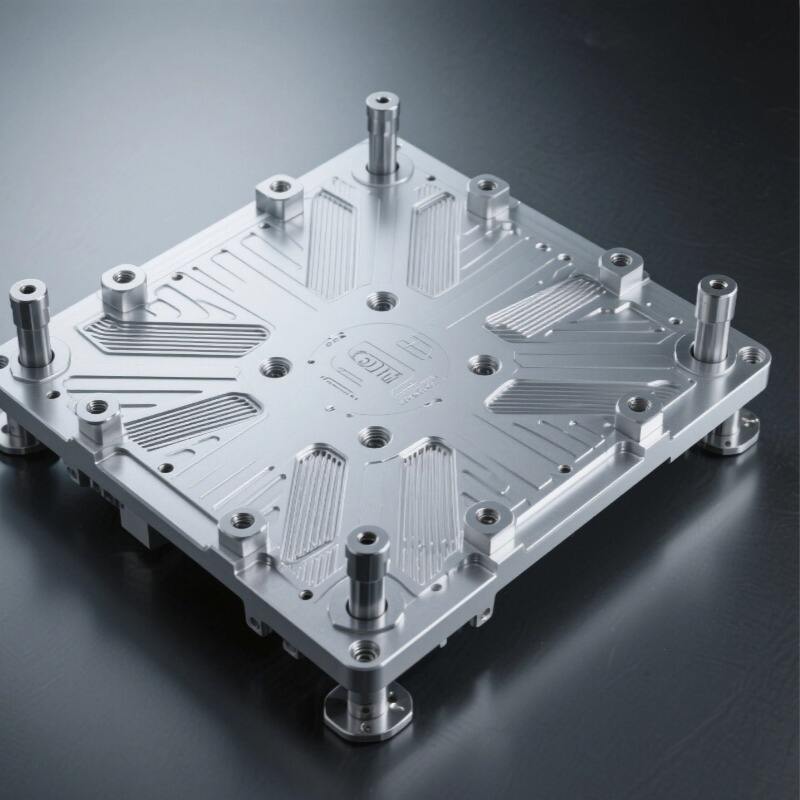
In the world of modern manufacturing, there exists an entire class of services that are often overlooked yet crucial to producing countless products we use daily. One such service is Stamping Parts Service—an industry where precision, speed, and ingenuity combine to shape metal into the components that make up everything from automotive systems to electronics, and beyond.
While the concept of metal stamping might seem simple, it is an advanced process that requires skilled expertise, the right technology, and a deep understanding of material science. Let’s take a closer look at stamping parts services, how they work, and why they are indispensable to the manufacturing world.
What is Stamping?
Metal stamping is a manufacturing process that uses a die to cut, shape, or form metal into specific parts. It’s like using a giant cookie cutter, but instead of dough, it’s steel, aluminum, brass, or other metals. These dies are precision-engineered tools that can produce complex designs with incredible accuracy and repeatability.
Types of Metal Stamping
Blanking: The process of cutting a flat piece of metal into a desired shape.
Piercing: Creating holes in metal parts, often used in automotive and electronics.
Bending: Shaping the metal into a new form by applying force, often seen in the creation of brackets or supports.
Coining: A type of stamping that produces high precision and sharp details, frequently used in the production of coins or medals.
Embossing & Debossing: Raising or lowering specific areas on the metal surface for design purposes, like logos on appliances or packaging.
Progressive Stamping: A continuous process that moves the metal from station to station, performing multiple operations in a single pass.
The Mechanics Behind Stamping Parts Services
At the core of any stamping operation is the die. Dies are made from hardened steel and are custom-designed for the exact part or series of parts being produced. The die is placed into a stamping press, and as the press applies force, the metal blank is shaped according to the die’s design. The process is incredibly fast, producing thousands of identical parts in a short time.
There are two types of presses commonly used:
Mechanical Presses: These use a flywheel and crank to apply force to the metal. They are fast and provide a lot of force in a short burst.
Hydraulic Presses: Using hydraulic fluid to create pressure, these presses offer more control over the amount of force applied, making them ideal for parts that require more delicate shaping.
Why Are Stamping Parts Services Critical?
Precision Manufacturing
Stamping allows for high precision in producing parts. Because the dies are custom-made to fit the specific design, the process can produce parts with tolerances as tight as 0.001 inches. This precision is essential in industries like automotive, aerospace, electronics, and medical devices, where even the slightest defect can lead to catastrophic failure.Scalability
Stamping is highly scalable. Once a die is made, it can be used to produce thousands—or even millions—of identical parts without any degradation in quality. This makes it ideal for mass production, allowing companies to meet high-volume demands efficiently and at a relatively low cost.Cost-Effectiveness
While the initial investment in designing and creating the dies may be high, once they are in place, the cost per part decreases dramatically. This is particularly beneficial for industries with tight profit margins, such as automotive or consumer electronics, where efficiency and cost control are paramount.Material Versatility
Stamping services can work with a variety of materials, including steel, aluminum, brass, copper, and even plastic (in some cases). This versatility allows manufacturers to choose the best material for their product, depending on factors such as weight, strength, cost, and corrosion resistance.Complex Geometries
Stamping can produce intricate shapes and detailed features that would be difficult or impossible to achieve using other manufacturing methods. This includes embossed logos, detailed patterns, and small holes, all of which are often required in consumer products and electronic devices.
Industries Benefiting from Stamping Parts Services
1. Automotive Industry
The automotive industry relies heavily on stamping services to create components such as body panels, brackets, mounting components, and structural parts. Automotive manufacturers need high volumes of parts that meet exact specifications, and stamping delivers this with speed and consistency. Moreover, stamping is integral to creating lighter, more efficient vehicles by utilizing advanced materials such as high-strength steel and aluminum.
2. Electronics and Technology
From smartphones to home appliances, stamping services play a role in producing the small, complex parts that go into modern electronics. These can include connectors, housings, covers, and precision parts required for functionality. The ability to create thin, lightweight, and highly precise components is critical in this space.
3. Medical Devices
In the medical field, parts such as surgical instruments, implantable devices, and diagnostic equipment often require extremely high levels of precision and material integrity. Stamping services allow manufacturers to produce parts that not only meet strict regulatory standards but are also cost-effective for mass production.
4. Consumer Goods and Appliances
Small parts, such as hinges, latches, and mounting clips for kitchen appliances, furniture, and toys are often created through stamping. This method ensures that even high-quantity, low-cost items are produced with the same attention to detail and consistency as more expensive components.
The Future of Stamping Parts Services
As industries continue to evolve, so too will the techniques used in stamping. New materials like composites and advanced alloys are being incorporated into the stamping process, allowing for stronger, lighter, and more durable parts. Furthermore, automation and AI-driven quality control are improving the precision and speed of production, making it possible to stamp parts at an even lower cost.
Additionally, 3D stamping and hybrid manufacturing (a combination of traditional stamping and 3D printing) are gaining traction in industries where customized, low-volume, or intricate parts are needed. These innovations are likely to keep stamping relevant in an increasingly automated and technologically advanced manufacturing world.
Conclusion: Stamping Parts Services—A Cornerstone of Modern Manufacturing
While metal stamping services may not always grab the headlines, they are a vital, behind-the-scenes contributor to the success of almost every product we use. From the cars we drive to the electronics we rely on, stamping ensures that the parts are produced efficiently, cost-effectively, and to the highest standards of quality.
As manufacturing continues to evolve, the role of stamping services will likely grow even more crucial, pushing the boundaries of what’s possible with materials and technology. So, next time you hold a piece of technology in your hands or admire the design of an automobile, remember that behind the scenes, stamping services were there, creating the parts that make it all possible.