
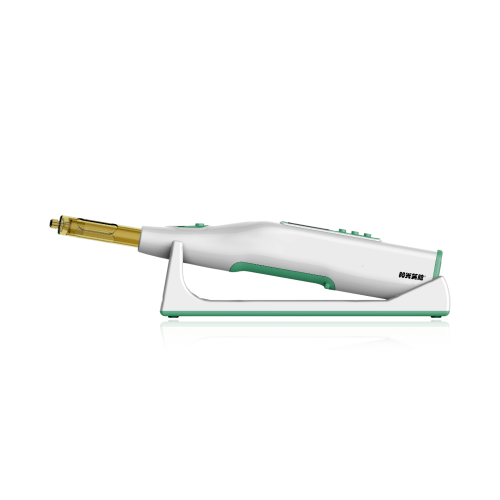
Dental extractions—whether routine or complicated—are a common part of oral healthcare, particularly for addressing issues like impacted teeth, severe decay, or orthodontic needs. However, behind every successful extraction dental extraction tools lies a range of meticulously designed dental tools that ensure precision, safety, and comfort. These tools, crafted with expertise and fine engineering, have evolved over centuries, incorporating both art and science in the process.
In this article, we’ll explore the unique world of dental extraction tools, delving into their design, usage, and the innovation that has gone into making them the effective instruments we rely on today.
The Importance of Dental Extraction
Before diving into the tools themselves, it’s worth understanding the need for dental extractions. A tooth extraction is typically required when a tooth is beyond saving or when it may cause harm to the surrounding teeth and gums. Common situations that demand extraction include:
Severe tooth decay: When decay has reached the pulp or root, making it impossible to restore the tooth.
Impacted teeth: Particularly common with wisdom teeth, which can become trapped beneath the gum line.
Orthodontic treatments: Sometimes, teeth are extracted to create room for proper alignment.
Infections or abscesses: A severely infected tooth may need to be removed to prevent the infection from spreading.
With these varied needs, the extraction tools used by dental professionals must be versatile, precise, and durable. Let’s explore the dental extraction instruments that help make this procedure a success.
The Main Players: Dental Extraction Tools You Should Know
1. Forceps: The Pillars of Extraction
Forceps are perhaps the most recognizable dental tools in extractions. These hand-held instruments are used to grip the tooth firmly and gently remove it from its socket. The shape, size, and design of forceps vary depending on the tooth’s location and condition.
Universal Forceps: These are general-purpose forceps used for extracting both upper and lower teeth. They’re designed to provide a firm grip, with two “beaks” that fit around the tooth.
Specialized Forceps: Different teeth require specific types of forceps. For example, maxillary forceps are designed to extract upper teeth, while mandibular forceps are for lower teeth. Wisdom tooth forceps have a specific angle to help in extracting difficult-to-reach molars.
Curve and Length: The curved beaks of forceps help in maintaining the correct angle while extracting teeth, which is particularly useful when working with posterior (back) teeth.
Why Unique?
What sets forceps apart is their ability to adapt to different extraction situations. They offer a degree of precision that ensures the tooth is removed with minimal damage to the surrounding bone and tissue.
2. Elevators: Precision for the Toughest Teeth
Elevators are instruments used to loosen a tooth before the forceps take over. They function by applying pressure to the tooth and rocking it back and forth, which loosens it from the surrounding tissues and bone.
Straight Elevators: Often used for simple extractions, straight elevators are ideal for loosening teeth in a straightforward manner.
Cryer Elevators: These are designed with angled blades that allow the dentist to work around a tooth more easily, especially when it’s broken or impacted.
Root Tip Elevators: These fine-tipped instruments are used to remove stubborn root fragments that may be left behind after an extraction, ensuring the socket is fully cleared for healing.
Why Unique?
Elevators have a more refined design than forceps and can be used in situations where a tooth is severely fractured or too delicate to remove in one motion. They allow the dentist to work with precision and control, minimizing trauma to the gums.
3. Luxators: Gentle Precision for the Delicate Task
Luxators are specialized extraction tools that work similarly to elevators but are more refined and thinner. They are ideal for loosening teeth in tight spaces or those with fragile structures. Luxators come in various shapes, often with a blade that tapers to a fine point.
Why Unique?
Their finesse makes them excellent for extractions where forceps might be too aggressive. This tool is particularly helpful when extracting teeth with fragile roots or when there’s a risk of damaging the bone around the tooth.
4. Surgical Chisels and Mallets: Breaking Through the Toughest Barriers
While most extractions can be done with forceps and elevators, sometimes the tooth is too impacted or anchored deep in the jawbone. In such cases, surgical chisels and mallets come into play.
Chisels: Used to split teeth into smaller pieces, making them easier to remove. They are especially useful for molars or teeth with multiple roots.
Mallets: Used in conjunction with chisels, a mallet provides the necessary force to drive the chisel into the bone or tooth.
Why Unique?
These tools allow for precise, controlled fracturing of teeth, allowing the dentist to extract the tooth in manageable pieces. They also help minimize the amount of bone that needs to be removed, preserving as much of the jaw’s structure as possible.
5. Rongeurs: For Fine Bone Removal
Rongeurs are scissor-like instruments used to trim and shape bone. After a tooth is extracted, small pieces of bone may need to be removed or shaped to facilitate healing.
Angled Rongeurs: The angling allows for greater control and access in hard-to-reach areas of the mouth.
Straight Rongeurs: Typically used for more straightforward bone removal.
Why Unique?
Rongeurs are used with precision, removing only small, specific pieces of bone to avoid damaging surrounding tissues and ensuring a smoother recovery.
6. Bone Scrapers and Curettes: Post-Extraction Precision
After the extraction, the dental professional may use bone curettes to scrape away any remaining tissue or infected material from the socket. This ensures that the extraction site is clean, promoting healing and reducing the risk of infection.
Why Unique?
Curettes come in a variety of shapes and sizes, allowing for a highly customizable approach to aftercare. Their sharp tips can remove bone fragments and debris without damaging the surrounding healthy tissue.
The Evolution of Dental Extraction Tools: From Antiquity to Modern Times
The history of dental extraction tools is fascinating and highlights the significant advancements made in dental technology. Ancient civilizations like the Egyptians and Greeks used rudimentary tools such as forceps, pliers, and even stones to remove teeth. These early tools were often crude and painful, leading to high mortality rates due to infections.
As the centuries progressed, so did the tools. By the 18th and 19th centuries, dental forceps and elevators started to resemble their modern counterparts. Innovations such as the introduction of anesthesia and antiseptics further revolutionized the field, making dental extractions safer and more comfortable for patients.
In the 20th and 21st centuries, advancements in material science and ergonomics led to the design of lighter, more durable, and more precise tools. Today, many dental extraction instruments are crafted from high-grade stainless steel or titanium, materials known for their strength, resistance to corrosion, and biocompatibility.
Conclusion: Craftsmanship Meets Science
The dental extraction tools used today are the result of centuries of research, innovation, and refinement. Each instrument—whether a simple forcep or a specialized luxator—is designed with one goal in mind: to safely and efficiently remove teeth while preserving the surrounding structures and promoting rapid recovery. The uniqueness of these tools lies in their versatility, precision, and ability to adapt to the specific needs of each patient.
As dental technology continues to evolve, we can only imagine how future tools might further enhance the extraction process, making it even more efficient, comfortable, and less invasive. What remains clear, however, is that dental extraction tools are not just mechanical instruments; they represent the intersection of craftsmanship and science, working in harmony to safeguard oral health.