
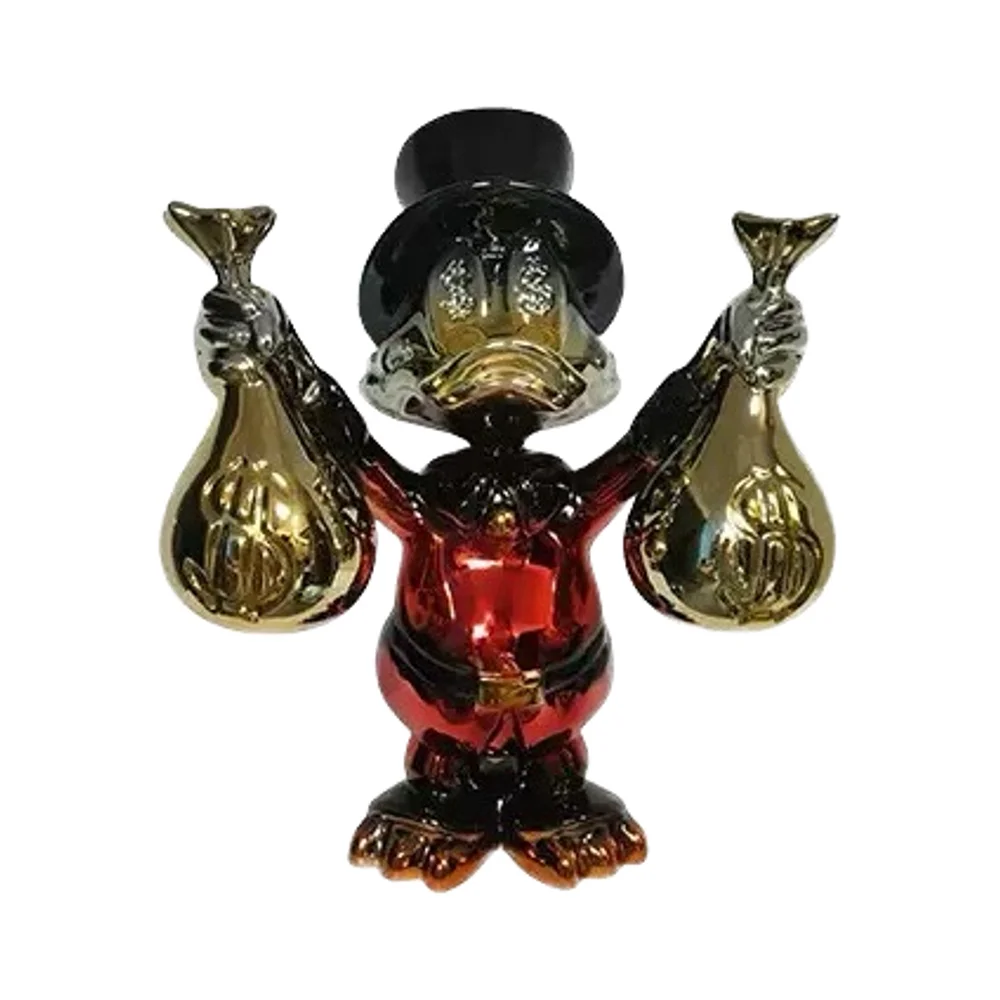
In the realm of modern sculpture, stainless steel emerges as a material that perfectly balances the industrial with the artistic, offering creators an unmatched palette for expression. Far beyond its utilitarian origins in kitchenware and architecture, stainless steel sculpture have transformed urban landscapes, public parks, and galleries into dazzling showcases of innovation and beauty.
The Material Marvel: Why Stainless Steel?
Stainless steel is an alloy known for its resilience, corrosion resistance, and reflective qualities. Its composition—primarily iron with chromium and often nickel—gives it a unique ability to withstand the elements without tarnishing. This durability allows sculptors to create works that endure the harshness of time and weather, making stainless steel a favorite for outdoor installations.
But the appeal isn’t just practical. The lustrous surface of stainless steel can be polished to a mirror-like finish or given a matte texture, inviting artists to play with light and shadow. This adaptability means that a single piece can evoke multiple moods—cold and industrial in one light, warm and inviting in another.
Artistic Expression in Steel
Unlike traditional materials such as bronze or marble, stainless steel invites a more experimental approach. Its malleability at high temperatures and ability to be welded, cut, or even laser-etched with precision tools gives sculptors a broad creative range. This flexibility has led to sculptures that blend abstract forms with hyper-realistic details, from twisting ribbons of steel that mimic natural movement to geometric shapes that challenge perceptions of space.
The reflective surface creates a dynamic relationship between the sculpture and its environment. Passersby become part of the artwork as their images bounce off the gleaming surface, making each viewing experience unique. This interactivity turns stainless steel sculptures into living pieces of art, constantly evolving with the changing light and seasons.
Cultural and Environmental Significance
Stainless steel sculptures often occupy public spaces, transforming ordinary places into cultural landmarks. Artists harness the material’s longevity and visual impact to craft monuments that honor history, celebrate innovation, or provoke social reflection. For example, the iconic “Cloud Gate” in Chicago—affectionately known as “The Bean”—utilizes stainless steel’s reflective quality to encapsulate the city’s skyline and its inhabitants in a single, shimmering form.
Beyond aesthetics, stainless steel’s recyclability aligns with growing environmental consciousness in the art world. Many artists choose stainless steel to underscore themes of sustainability, permanence, and renewal. The material’s resistance to corrosion means sculptures need less maintenance and fewer resources to preserve, making it an eco-friendly choice for public art.
The Future of Stainless Steel Sculpture
As technology advances, so do the possibilities for stainless steel sculpture. Cutting-edge techniques like robotic welding, 3D modeling, and augmented reality integration are pushing the boundaries of what this medium can achieve. Sculptors are no longer limited to static forms; interactive installations that respond to viewer movement or environmental changes are becoming increasingly common.
Moreover, the fusion of stainless steel with other materials—glass, wood, LED lights—creates multi-sensory experiences that captivate audiences. These hybrid sculptures transcend traditional art forms, bridging gaps between sculpture, architecture, and digital art.
Conclusion: More Than Metal
Stainless steel sculpture is more than the sum of its parts. It embodies a convergence of artistry, engineering, and cultural storytelling. Through its enduring strength and reflective beauty, stainless steel continues to inspire both creators and spectators, proving that even the most industrial materials can give rise to timeless elegance and profound human connection.