
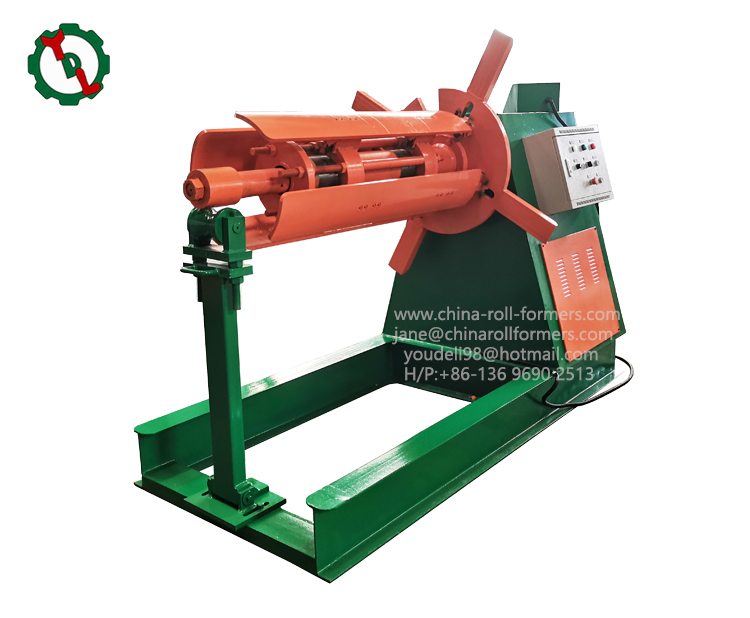
In modern manufacturing, speed, efficiency, and precision are critical elements in staying competitive and meeting the increasing demands of industries such as automotive, construction, electronics, and more. One of the key pieces of equipment that have revolutionized metal processing is the hydraulic uncoiler. This machine is hydraulic uncoiler used to uncoil large rolls of metal, such as steel, aluminum, or copper, for further processing. Unlike manual or mechanical uncoilers, hydraulic uncoilers utilize hydraulic systems to control the uncoiling process, offering numerous advantages to modern manufacturing operations. In this article, we will explore the key benefits of using a hydraulic uncoiler and how it enhances manufacturing efficiency, safety, and precision.
1. Improved Efficiency and Speed
One of the primary advantages of using a hydraulic uncoiler is the improvement in efficiency and speed. In modern manufacturing, time is a valuable resource, and any system that reduces the time spent handling materials is essential for maintaining high productivity. Hydraulic uncoilers operate faster than manual or mechanical uncoilers, significantly reducing the amount of time needed to uncoil large metal rolls.
The hydraulic system in these uncoilers allows for precise control over the uncoiling process, enabling the machine to handle rolls at varying speeds, depending on the specific requirements of the operation. This efficiency translates to reduced cycle times and faster turnaround for metal processing, helping manufacturers meet tight production deadlines without sacrificing quality.
Additionally, the ability to feed metal into downstream processing machines such as slitting machines, presses, or stamping equipment more quickly and efficiently ensures that the entire production line remains active and productive. By reducing bottlenecks in material handling, hydraulic uncoilers keep the manufacturing process running smoothly, which is essential for increasing throughput and maximizing output.
2. Reduced Manual Labor and Increased Worker Safety
In many traditional manufacturing settings, uncoiling metal was a manual task that required workers to manually guide and control the uncoiling of heavy metal coils. This process was not only physically demanding but also posed a significant safety risk. Manual handling of large, heavy coils increases the likelihood of injuries, particularly related to back strains, musculoskeletal injuries, and accidents caused by poorly controlled coils.
Hydraulic uncoilers automate much of the uncoiling process, drastically reducing the need for manual labor. With the hydraulic system controlling the tension and speed of the metal as it uncoils, workers can focus on other more value-added tasks without having to intervene directly in the process. This reduces the physical demands placed on workers and minimizes the risk of accidents.
Moreover, the automation provided by hydraulic uncoilers ensures that metal coils are uncoiled in a controlled and predictable manner, reducing the chances of coils becoming tangled, misaligned, or uncontrollably unwinding. These safety features help to create a safer work environment, which is crucial for both the well-being of employees and the efficient operation of the manufacturing facility.
3. Precise Tension Control for Better Material Handling
One of the most critical aspects of uncoiling metal is controlling the tension applied to the coil. If the tension is too high or too low, the metal may become damaged, leading to defects or reduced material quality. Inaccurate tension control can also cause jams, misfeeds, and other issues that disrupt the production process.
A hydraulic uncoiler excels in providing precise and adjustable tension control. The hydraulic system can automatically regulate the tension applied to the coil, ensuring a smooth and even uncoiling process. This level of control minimizes the risk of stretching, buckling, or damaging the metal, resulting in higher-quality output and fewer production disruptions.
The ability to adjust tension on-the-fly also allows manufacturers to handle a wide range of coil sizes, materials, and thicknesses. Whether working with thin aluminum coils or heavy steel rolls, the hydraulic uncoiler can adapt to the specific requirements of the material, ensuring optimal performance every time.
4. Enhanced Material Flow and Reduced Waste
In any manufacturing process, ensuring a consistent and uninterrupted flow of materials is essential for maximizing productivity and minimizing waste. A hydraulic uncoiler facilitates a smoother material flow by feeding metal into downstream machines at a consistent rate. This constant, controlled flow helps prevent production bottlenecks, delays, and errors caused by inconsistent material handling.
Moreover, hydraulic uncoilers help reduce material waste by ensuring that the metal is uncoiled evenly and at the correct tension. Poorly uncoiled material can lead to misalignment, uneven cutting, or incorrect processing, which can result in waste and scrap. By providing accurate and smooth uncoiling, the hydraulic uncoiler ensures that the material is processed efficiently, reducing the chances of defects, inaccuracies, and wasted material.
This streamlined material flow also allows manufacturers to optimize the use of raw materials. By reducing waste and scrap, hydraulic uncoilers help improve the cost-effectiveness of the operation, leading to a better return on investment for manufacturers.
5. Versatility in Handling Different Coil Sizes and Materials
Modern manufacturing operations require versatility, as different products and applications demand different types of materials. Metal coils come in various sizes, thicknesses, and materials, including aluminum, steel, copper, and more. A hydraulic uncoiler is highly versatile and can handle a wide range of coil sizes and types.
The hydraulic system allows for easy adjustments to accommodate different coil diameters, widths, and weights, providing the flexibility needed for various manufacturing processes. Whether the material is lightweight and thin or heavy-duty and thick, the hydraulic uncoiler can adjust its tension control and uncoiling speed to handle each coil appropriately.
This adaptability makes hydraulic uncoilers ideal for businesses that need to work with multiple material types or different coil sizes on a regular basis. The ability to quickly switch between different materials and sizes without the need for significant manual adjustments or equipment changes enhances operational flexibility, making the hydraulic uncoiler an essential asset for modern manufacturing.
6. Increased Machine Longevity and Reduced Maintenance
Manufacturing equipment is a significant investment, and ensuring that machinery remains in good working condition for as long as possible is essential for maintaining profitability. Hydraulic uncoilers are built for durability and long-term performance. Because they have fewer moving parts compared to mechanical systems, hydraulic uncoilers experience less wear and tear, which helps increase their lifespan.
Additionally, hydraulic uncoilers typically require less maintenance than their mechanical counterparts. The hydraulic system is designed for smooth and efficient operation with minimal friction, reducing the likelihood of breakdowns or costly repairs. Regular maintenance, such as checking the hydraulic fluid levels and inspecting seals, ensures that the uncoiler continues to operate at peak efficiency.
By reducing the frequency of breakdowns and the need for costly repairs, hydraulic uncoilers help manufacturers maintain consistent productivity and minimize downtime. This makes them a smart investment for companies looking to optimize their operations and reduce the total cost of ownership over time.
7. Automation and Integration with Other Systems
In the era of Industry 4.0 and advanced manufacturing technology, automation and system integration are key drivers of efficiency. Hydraulic uncoilers can be easily integrated with other automated systems, such as coil feeders, cutting machines, and quality control systems, to create a fully automated production line.
This level of automation allows for seamless coordination between different stages of the manufacturing process. Once the metal coil is placed on the uncoiler, the system can automatically adjust tension, feed the material into the next stage of processing, and even monitor quality in real time. This reduces the need for manual intervention and ensures that the entire production process is synchronized and efficient.
The integration of hydraulic uncoilers with other automated systems also provides valuable data and insights into the production process. Manufacturers can track material usage, monitor machine performance, and optimize production schedules based on real-time data, helping them make more informed decisions and improve overall operational efficiency.
8. Cost-Effectiveness Over Time
While the initial investment in a hydraulic uncoiler may be higher than other types of uncoilers, the long-term benefits far outweigh the costs. With its ability to increase efficiency, reduce material waste, improve worker safety, and extend machine life, a hydraulic uncoiler pays for itself over time. By improving productivity and reducing the need for manual labor, manufacturers can see a substantial return on investment.
The reduction in waste, the ability to handle multiple material types, and the automation of material handling processes all contribute to greater cost savings. These savings, combined with the increased speed and efficiency of the operation, make the hydraulic uncoiler a cost-effective choice for modern manufacturers looking to enhance their operations and stay competitive in the market.
Conclusion
In modern manufacturing, the hydraulic uncoiler is a game-changing piece of equipment that offers a multitude of benefits. By improving efficiency and speed, reducing manual labor, ensuring precise tension control, and enhancing material flow, hydraulic uncoilers play a critical role in optimizing manufacturing processes. They also provide increased safety, versatility, and automation potential, all of which contribute to reducing waste and increasing productivity. For manufacturers looking to improve their operations, enhance product quality, and reduce costs, investing in a hydraulic uncoiler is a smart decision that provides long-term value and competitiveness in the industry.