
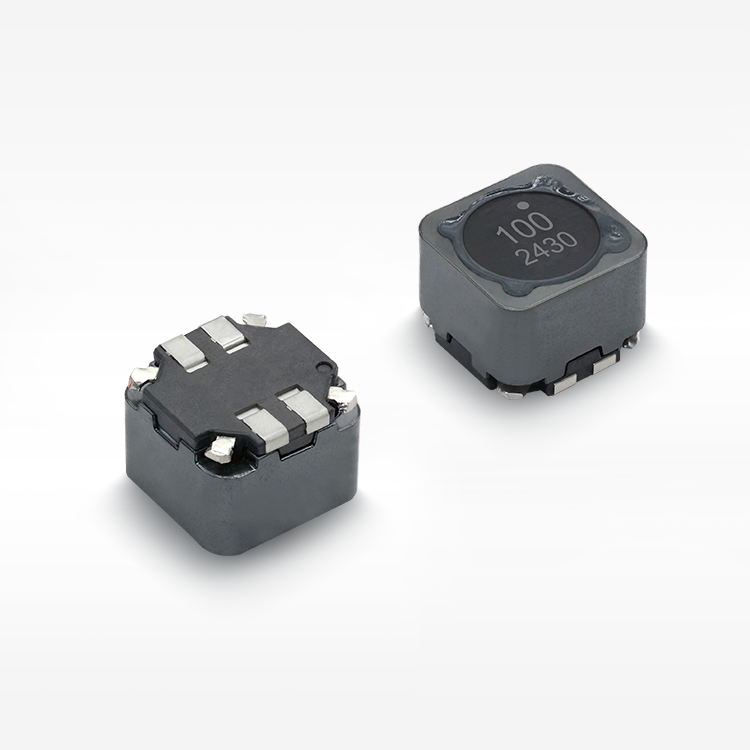
In the complex world of electronics and communication systems, ensuring signal integrity, preventing interference, and maintaining system reliability are paramount. One unsung hero in this regard is the Data Line Common Mode Choke (CMC), a component often overlooked by those who aren’t deeply familiar with its crucial role. While its name may sound technical, its purpose is surprisingly simple yet incredibly important.
In this article, we will explore what a Data Line Common Mode Choke is, why it is essential, how it works, and the various ways it contributes to the performance of modern electronics. Whether you’re a professional in the electronics industry or simply a tech enthusiast, understanding this small but mighty component will give you insight into the quieter, less glamorous side of electronics.
What is a Data Line Common Mode Choke?
A common mode choke is a type of passive electronic component designed to filter common-mode noise from electrical signals, especially in communication lines. Specifically, a Data Line Common Mode Choke (CMC) is used to suppress common-mode interference on data transmission lines such as Ethernet, USB, HDMI, or high-speed serial connections.
To break this down:
Common-mode noise refers to unwanted signals that are present on both lines of a differential signal. These signals are identical in amplitude and phase but are out of phase with the actual data signals that the system is trying to transmit.
A Choke is essentially an inductive coil that resists changes in current. It allows a certain frequency range (the desired signal) to pass while blocking others (the noise).
When installed in data transmission lines, the CMC ensures that unwanted interference does not affect the integrity of the data being transmitted.
Why is a Data Line CMC Important?
In the age of high-speed communication, data lines are subject to electromagnetic interference (EMI) and radio frequency interference (RFI). These disruptions can degrade signal quality, cause data loss, or even cause devices to malfunction. Here’s why the Data Line Common Mode Choke plays such an indispensable role:
Prevents Signal Corruption:
High-frequency noise and other electromagnetic disturbances can easily corrupt signals traveling through data lines. A common mode choke helps suppress this noise, ensuring that the data being transmitted remains accurate and intact.Reduces EMI and RFI:
As electronic devices become more powerful, they emit more electromagnetic radiation. This interference can travel through data lines and affect nearby systems. A CMC acts as a filter, helping to minimize EMI and RFI by blocking unwanted frequencies from entering the system.Ensures Compliance with Standards:
Many communication systems need to comply with strict electromagnetic compatibility (EMC) standards. By using a Data Line CMC, engineers can ensure that their devices meet regulatory requirements, such as those set by the FCC (Federal Communications Commission) in the U.S. or CE in Europe.Improves Signal Integrity in High-Speed Systems:
In high-speed data transmission systems (e.g., 5G, Gigabit Ethernet, or USB 3.0), the speed of the signal makes it more vulnerable to noise and signal degradation. The CMC helps maintain signal integrity by filtering out noise, thus ensuring better performance in high-speed communication networks.
How Does a Data Line CMC Work?
At its core, a common mode choke is simply a coil of wire wound around a core material that is magnetic. The physics behind its function lies in the inductive property of the choke, which creates opposition to current flow, particularly at high frequencies.
Here’s a more detailed breakdown:
Inductive Behavior:
When an electrical current flows through the wires of a data line, it generates magnetic fields. The choke’s coil is designed to generate a magnetic field that opposes the common-mode noise while allowing the differential signal to pass through.Filtering Common-Mode Signals:
A differential signal consists of two opposite but equal signals that cancel out any noise when combined. Common-mode noise, however, affects both wires of the signal equally. The choke blocks this unwanted signal by offering inductive reactance, which impedes the flow of high-frequency common-mode noise while allowing the intended signal (which usually resides in a different frequency range) to pass unimpeded.Impact of the Core Material:
The material used for the core of the choke is crucial in determining its effectiveness. Ferrite cores are commonly used because they have high magnetic permeability, meaning they can effectively capture high-frequency signals and attenuate them.Frequency Selectivity:
The CMC’s effectiveness is frequency-dependent. It is designed to block unwanted frequencies while allowing the signal to pass through. Engineers select the appropriate CMC based on the frequency range of the data line.
Applications of Data Line Common Mode Chokes
Given the importance of maintaining signal quality and ensuring electromagnetic compliance, CMCs are used in a variety of modern electronic systems, including:
Ethernet and Networking Equipment:
Common mode chokes are critical in Ethernet cables, helping to filter out noise and maintain signal integrity over long-distance data transmission. They are commonly found in network switches, routers, and media converters.USB and HDMI:
USB and HDMI cables are used for high-speed data transmission between devices such as computers, smartphones, TVs, and gaming consoles. CMCs in these cables ensure that high-speed signals are not compromised by electromagnetic interference.Automotive Electronics:
As vehicles become more connected and feature-rich with electronics, the need for noise-free data transmission becomes vital. CMCs are used in automotive wiring to maintain the quality of signals in systems like infotainment, navigation, and advanced driver-assistance systems (ADAS).Medical Equipment:
Medical devices often operate in environments where noise can interfere with sensitive data transmission. Data line common mode chokes help keep signals clean and reliable, which is critical in medical diagnostics and patient monitoring systems.Consumer Electronics:
In devices like televisions, audio systems, and game consoles, CMCs help maintain video and audio signal quality, ensuring an uninterrupted, high-quality experience for the user.
Types of Common Mode Chokes
Common mode chokes come in various designs depending on the application and the type of data transmission. Some of the more commonly used types include:
Through-Hole Chokes:
These are often used in traditional circuit boards. They are mounted through the board and provide robust filtering in both low- and high-speed applications.Surface-Mount Chokes:
These are compact chokes that are used in modern electronics, especially for devices requiring smaller components. They are often found in mobile devices and compact consumer electronics.Integrated CMC Modules:
Some modern designs integrate common mode chokes into larger, more complex modules. These modules may include additional filtering stages or be designed to handle multiple data lines at once.
Challenges and Future of Data Line CMCs
Despite their effectiveness, Data Line Common Mode Chokes do come with challenges. One such challenge is their physical size, especially for high-frequency applications where low-profile components are desired. Furthermore, as communication speeds continue to rise with advancements like 5G and beyond, the demand for even more efficient and smaller CMC designs will increase.
Researchers are exploring new materials, such as nanomaterials and advanced ferrite composites, to improve the performance of CMCs at even higher frequencies while minimizing size and cost.
Conclusion
While the Data Line Common Mode Choke may not be the most glamorous component in the world of electronics, its impact cannot be overstated. From ensuring reliable data transmission in networking systems to protecting medical equipment from interference, these small inductive devices play a key role in maintaining the quality and integrity of modern electronic systems. As data speeds continue to increase and electromagnetic interference becomes more pervasive, the importance of common mode chokes will only grow.
In many ways, the Data Line Common Mode Choke is a perfect example of how the smallest and most straightforward components can have an outsized impact on the performance and reliability of complex systems. It’s a quiet hero in the world of electronics—one that ensures the systems we depend on every day work as they should.