
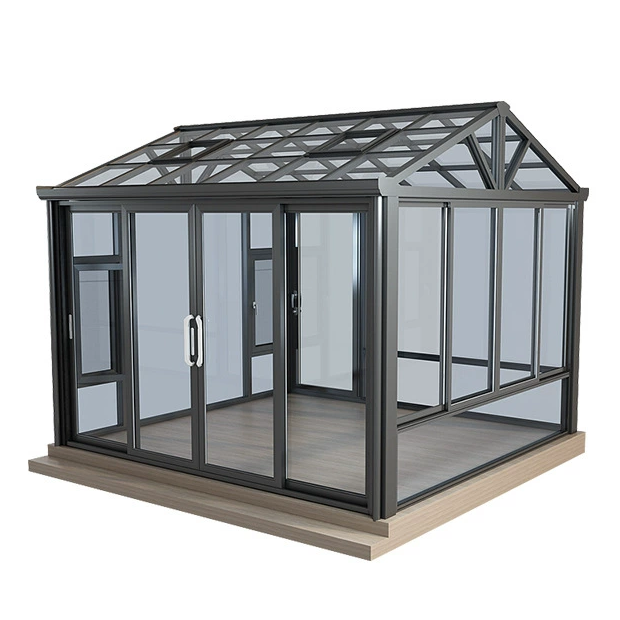
In architecture, few elements carry as much weight—both literally and metaphorically—as the Double Door . More than just a structural component, a double door represents a statement. It’s where first impressions are formed, where stories begin, and where spaces are defined. Whether towering at the entrance of a historic cathedral or inviting you into a modern smart home, the double door stands as a powerful design feature that fuses form with function.
A Historical Perspective
Historically, double doors were not merely decorative. In ancient palaces, temples, and castles, these expansive portals served strategic purposes. Their large size allowed for processions, the transport of grand items, and a subtle (or not-so-subtle) display of power. Think of the imposing bronze doors of ancient Roman basilicas or the intricately carved wooden double doors of Mughal forts—these were more than entries; they were declarations of status, strength, and cultural identity.
Design Meets Purpose
From a design standpoint, the double door offers both aesthetic and practical benefits. Symmetry is a cornerstone of classical architecture, and double doors offer a balanced, harmonious focal point. In residential design, they flood interiors with natural light when glass panels are used, and they ease the movement of people and large items through entryways.
Modern iterations embrace smart technology—keyless entry, fingerprint access, and remote locking—blending tradition with futuristic convenience. Materials range from solid hardwoods to reinforced steel, tempered glass to composite resins, offering flexibility in design and function.
The Psychology of the Portal
The symbolism of the double door is rich and varied across cultures. In feng shui, a double door represents abundance, prosperity, and the welcoming of positive energy. In religious architecture, double doors often symbolize a spiritual threshold—a place where the mundane ends and the sacred begins.
In literature and film, a character standing before double doors often faces a turning point. It’s the classic metaphor: two sides, two choices, and the space between them where transformation happens. The double door, then, is not just a structure—it’s a narrative device.
Beyond the Home: Double Doors in Industry
Double doors aren’t limited to residential or religious use. In commercial spaces, they ensure better traffic flow. In healthcare, they accommodate gurneys and emergency equipment. In refrigeration and laboratory settings, double doors help maintain environmental control. They’re even essential in aircraft and submarines, where pressurization and safety demand dual layers of separation.
The Rise of the Custom Double Door
As personalization trends grow in architecture, homeowners and designers are turning to custom double doors to set properties apart. From laser-cut steel to reclaimed barn wood, every material tells a story. Smart glass can change opacity for privacy, and programmable LED inlays can offer both lighting and artistry.
Some doors even integrate living materials—like vertical gardens in their frames—merging sustainability with sophistication.
Conclusion: More Than an Entry
The double door is more than an entrance; it is a passage, a protector, a piece of art. It reflects not just the taste of the owner, but the spirit of the space it guards. As architecture evolves, the double door continues to adapt, but its essence remains the same: it’s where the outside world meets the inner sanctuary—a threshold of identity.