
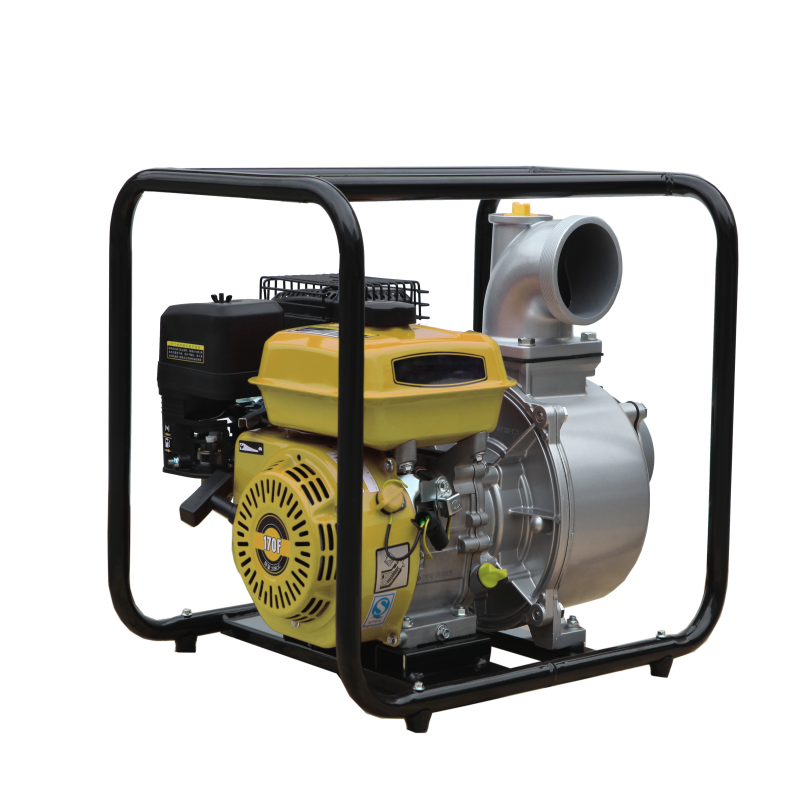
Water pumps have been essential to human civilization for thousands of years. From the early days of agriculture to the sprawling cities of today, these machines have served as lifelines, facilitating the transport and management Water Pump of water. However, the humble water pump has undergone a fascinating evolution—transforming from rudimentary hand-operated devices to the high-tech, energy-efficient systems of the modern world. This article dives deep into the history, development, and future of water pumps, exploring how they’ve changed the world, and what they will mean for the future.
The Dawn of Water Pumping: Ancient Innovations
Water pumping technology dates back to ancient civilizations. The earliest forms of water-moving mechanisms were simple yet ingenious. The Archimedean screw, invented by the Greek engineer Archimedes around 250 BCE, is one of the first known examples of a water pump. It was a helical screw inside a cylinder, used to raise water from a lower to a higher elevation—ideal for irrigation in the fertile lands of ancient Greece and Egypt.
At the same time, the shaduf, a manual labor-powered device, was invented in Mesopotamia. This device consisted of a long pole with a bucket at one end, balanced by a counterweight. It was used to lift water from wells or rivers for irrigation or drinking purposes. Simple as they were, these early devices laid the foundation for more complex water-moving technology.
The Industrial Revolution: Mechanizing the Flow
Fast forward to the 18th century, the advent of the Industrial Revolution sparked a new era for water pumps. Steam engines, such as Thomas Newcomen’s atmospheric engine, were adapted to pump water out of mines. The steam pump revolutionized mining operations, where water had to be continually removed from mines to allow for deeper excavations. By the mid-19th century, the Cornish engine, a steam-powered pump, became widely used to efficiently pump water from flooded mines, especially in the United Kingdom.
The Industrial Revolution’s impact wasn’t limited to mining—it also brought about the mass production of water pumps for agricultural and domestic use. Pumps became a fundamental part of daily life, especially in rapidly growing urban areas. They enabled water to be transported across cities for drinking, sanitation, and industrial use, leading to the establishment of the first municipal water systems in major cities.
Pumps in the Modern World: From Submersibles to Solar Power
As we entered the 20th century, technological advancements opened up even more possibilities. The rise of electricity allowed for the development of electric pumps, which were significantly more efficient and reliable than their predecessors. Electric pumps became commonplace in agriculture, industry, and municipal infrastructure, providing water to households, farms, and businesses at an unprecedented scale.
One of the most revolutionary innovations in water pump technology is the submersible pump. These pumps are designed to operate underwater, often in wells, sewage systems, or irrigation systems. Submersible pumps are highly effective for deep wells where traditional pumps couldn’t reach, allowing for more efficient water extraction and a broader range of applications.
But the real game-changer for the 21st century is the increasing focus on sustainability. As the world grapples with the realities of climate change and water scarcity, water pump technology is adapting to address these issues. Solar-powered water pumps are one of the most promising solutions, particularly in remote areas of the world where access to electricity is limited. These solar-powered systems harness the sun’s energy to pump water, making them a sustainable and cost-effective option for rural communities. Solar pumps are not just used for agricultural irrigation; they are also being used for drinking water systems in off-grid regions.
Pumps and the Future: Smart Water Management
The future of water pumps lies in their integration with smart technology. As cities and industries continue to grow, the need for efficient water management has never been greater. Enter smart water pumps—devices that use Internet of Things (IoT) technology to collect and analyze data in real-time. These pumps can adjust their operations based on real-time factors such as pressure, flow rate, and water levels, ensuring that water is used as efficiently as possible.
For example, smart irrigation systems use weather data and soil moisture sensors to determine when and how much water is needed, preventing over-irrigation and conserving precious water resources. In urban environments, smart pumps are being integrated into city-wide water management systems to reduce leaks, optimize water flow, and detect faults before they become major problems.
Further, the AI-driven pumps of the future could have the ability to predict maintenance needs, minimizing downtime and maximizing the life span of the equipment. The rise of data analytics in pump performance could lead to a significant reduction in operational costs and energy consumption, bringing us closer to a world where water is managed not just efficiently, but intelligently.
A Global Challenge: The Role of Water Pumps in Addressing Water Scarcity
As the global population increases and climate patterns become more erratic, the need for reliable and sustainable water systems is critical. Water pumps are an essential part of this infrastructure, but they need to be able to keep up with the demands of a changing world.
Desalination plants, which turn seawater into drinkable water, rely on massive, powerful pumps to move the water through the filtration process. These systems are crucial in arid regions, especially where freshwater resources are scarce. Similarly, pumps are integral to water recycling systems, which purify wastewater for reuse, offering another potential solution to the global water crisis.
In developing countries, hand-powered pumps are still in use in rural areas, providing a vital lifeline where infrastructure is lacking. As innovation continues to flow, the goal is to ensure that water pumps can be both technologically advanced and accessible, offering solutions for all corners of the globe.
Conclusion: A Pump for the Future
The humble water pump has come a long way since its ancient origins. From simple manual devices to the sophisticated, solar-powered, smart pumps of today, water pumps continue to be the unsung heroes of modern civilization. They are the silent operators behind the flow of clean water to homes, fields, industries, and cities. As technology progresses and the world faces new challenges, water pumps will play a pivotal role in ensuring sustainable water management for generations to come.
In the end, water pumps symbolize humanity’s ability to innovate in the face of necessity, creating solutions that transcend time and place. As we move toward a future of smart, sustainable systems, the evolution of the water pump will undoubtedly continue to flow, ensuring that water, the essence of life, is always within reach.