
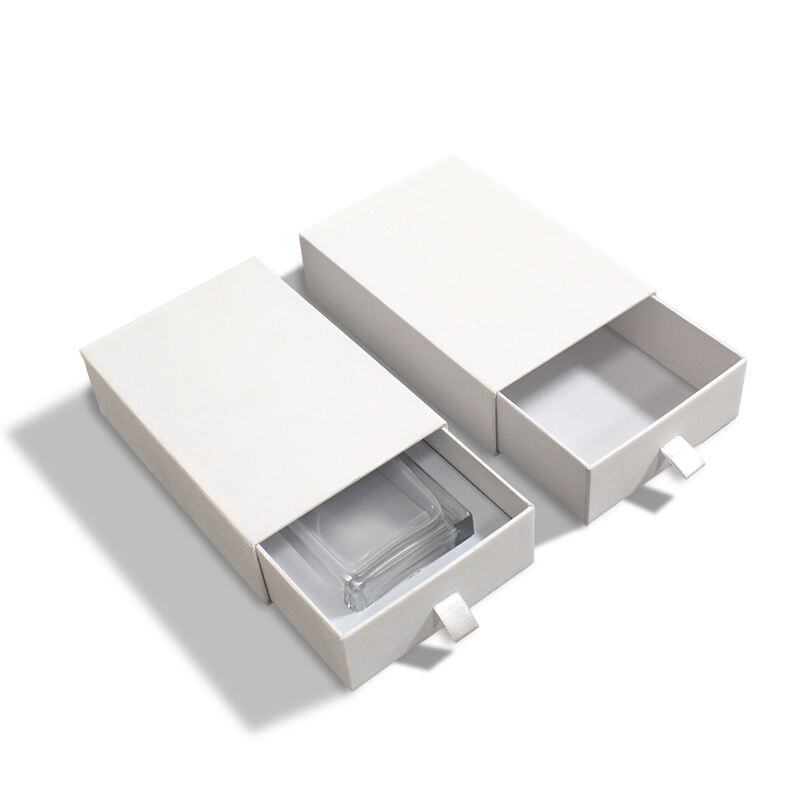
When you think of innovation and convenience, your mind might jump to high-tech gadgets or complex machinery. But one of the world’s most unassuming yet revolutionary inventions quietly shapes the way we live, shop, and think — the cardboard box. Though it’s often overlooked, this simple container has a fascinating story and a profound impact that extends far beyond its corrugated walls.
Origins: From Paper to Practicality
The cardboard box’s journey begins with the invention of paper over 2,000 years ago in China. Fast forward to the 19th century, when the industrial revolution and the need for mass shipping sparked the creation of corrugated paperboard in England around 1856. The first use of corrugated material as packaging appeared in the 1870s, primarily for wrapping delicate goods.
But it was in 1890 that the modern cardboard box, as we know it, was patented by Robert Gair, a printer and paper bag maker. Gair accidentally discovered that by cutting and creasing paperboard in one operation, flat pieces could be folded into boxes. This ingenious insight revolutionized packaging and distribution forever.
More Than Just a Container: The Cardboard Box as a Symbol of Modern Life
In today’s world, the cardboard box symbolizes convenience, commerce, and sustainability. From e-commerce giants like Amazon to the local farmer’s market, cardboard boxes are everywhere, facilitating the global flow of goods and ideas.
Versatility in Use
Beyond shipping, cardboard boxes serve a myriad of creative and practical uses:
Storage: Organizing homes, offices, and archives.
Art and Craft: Sculptures, DIY furniture, and creative play for children.
Emergency Solutions: Temporary shelters and insulation.
Marketing: Eye-catching packaging designs that tell brand stories.
The adaptability of cardboard has inspired designers and innovators to explore its potential beyond traditional uses, making it an eco-friendly alternative in various industries.
Sustainability and the Future of Cardboard
In a world increasingly focused on reducing plastic waste, cardboard shines as an eco-conscious choice. It is biodegradable, recyclable, and often made from renewable resources. The circular economy benefits immensely from cardboard’s recyclability — each box can be reincarnated multiple times before becoming compost.
Innovations in cardboard technology continue to emerge:
Water-resistant coatings to expand its usability.
Stronger, lighter corrugation for enhanced durability.
Smart packaging integrated with QR codes and sensors.
These advancements promise to keep cardboard relevant in the evolving landscape of sustainability and technology.
Cultural Impact: Cardboard Boxes in Imagination and Play
For many, cardboard boxes evoke memories beyond shipping and storage. They are the quintessential playground for children’s imaginations. A simple box can transform into a spaceship, a castle, or a secret hideout. This humble object nurtures creativity and problem-solving, proving that even the simplest materials can have profound emotional and developmental significance.
Artists and educators also embrace cardboard for its accessibility and versatility. Installations and exhibits often use cardboard to comment on consumerism, waste, and environmental responsibility, turning the ordinary into extraordinary statements.
Conclusion: The Cardboard Box — More Than Meets the Eye
The cardboard box may seem mundane at first glance, but it embodies a remarkable fusion of practicality, innovation, and cultural meaning. From its accidental invention to its pivotal role in modern commerce and sustainability, it is a quiet hero of daily life.
Next time you open a cardboard box, consider the centuries of ingenuity, the vast network of global trade it supports, and the endless creative possibilities it holds. In the unassuming folds of cardboard lies a story of human progress and imagination—boxed neatly into one of the world’s most ingenious inventions.