
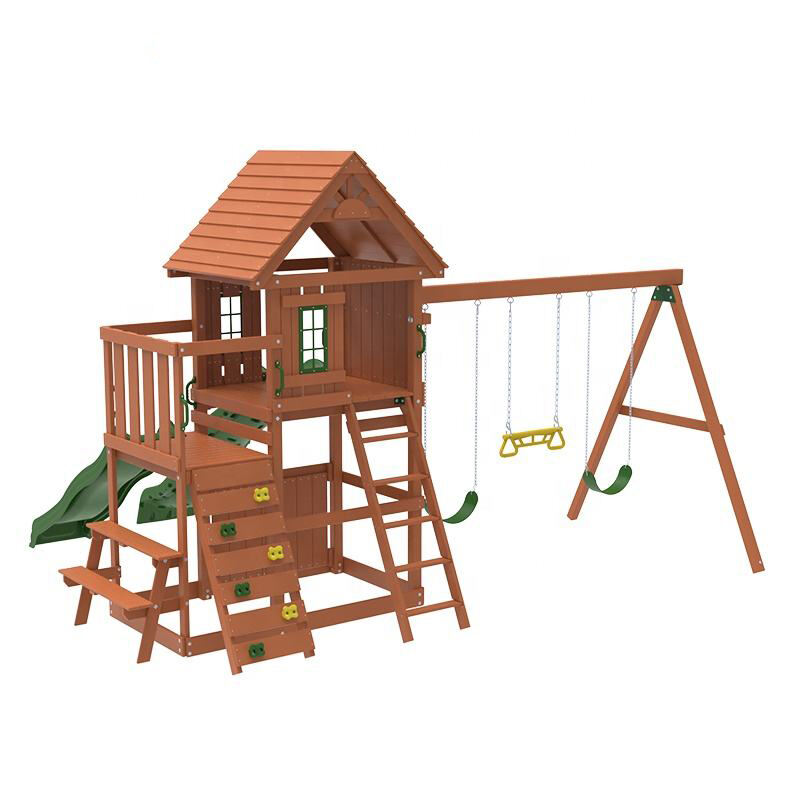
When you hear the term “jungle gym,” what comes to mind? For most, it conjures memories of childhood laughter, scraped knees, and the boundless energy of climbing, swinging, and exploring. Yet, the jungle gym is far more than just a playground structure—it’s a symbol of physical development, creativity, social interaction, and even cultural evolution.
Origins: From Invention to Icon
The jungle gym, sometimes called a climbing frame, was invented by a visionary named Sebastian Hinton in 1920. Hinton, a lawyer and a father, designed the first jungle gym in Chicago as a way to help children develop physical coordination and confidence. Unlike traditional playground swings or slides, the jungle gym offered a three-dimensional space where kids could climb, balance, and explore freely. Hinton patented the design as the “climbing structure,” but the name “jungle gym” soon became the popular term—evoking a wild, adventurous landscape where children could pretend to be explorers in a jungle.
The Physical and Mental Playground
What sets the jungle gym apart from other playground equipment is its ability to challenge multiple aspects of development:
Physical Strength and Coordination: Climbing requires the use of different muscle groups, improving overall body strength, agility, and motor skills.
Spatial Awareness: Navigating the jungle gym helps children understand spatial relationships, distances, and body positioning.
Problem Solving: Figuring out routes to climb and descend encourages critical thinking and risk assessment.
Creativity and Imagination: The jungle gym is a blank canvas for imaginative play—one moment it’s a pirate ship, the next a castle or a spaceship.
Social Growth in a Steel Jungle
Beyond individual benefits, jungle gyms foster social interaction. Children learn to take turns, cooperate, and communicate while playing. The structure naturally encourages teamwork and leadership as kids negotiate who climbs where and invent games together.
Jungle Gym Designs Around the World
While the classic jungle gym often features interconnected metal bars, climbing ropes, and platforms, modern playgrounds have embraced innovation. Today, jungle gyms incorporate natural elements like wood and rope bridges, or mimic shapes from animals and plants, blending fun with eco-friendly materials.
In Japan, for example, playground designs emphasize harmony with nature, featuring bamboo and wooden climbing frames nestled within gardens. Scandinavian countries often include sensory play areas with jungle gym-like climbing structures that stimulate tactile experiences and encourage mindfulness.
Jungle Gym and Safety Evolution
Safety concerns have long shaped the jungle gym’s design. Early models were purely functional but posed risks—metal bars could be slippery or too hard in falls. Today’s jungle gyms use softer, impact-absorbing surfaces and rounded edges, with height limits and safety rails to prevent serious injuries. Innovations include modular, customizable designs that adjust to different age groups, ensuring every child can safely enjoy the challenges.
The Jungle Gym in Popular Culture
The jungle gym has even inspired pop culture. It’s a staple backdrop in films and books portraying childhood freedom and adventure. In many ways, it represents the universal journey from curiosity to competence—the climb, the fall, the perseverance.
Conclusion: The Everlasting Appeal of the Jungle Gym
From a simple invention to a multifaceted tool for growth, the jungle gym remains an enduring symbol of childhood exploration and development. In an increasingly digital world, it reminds us of the importance of physical play, creativity, and social connection. So next time you see a jungle gym, remember—it’s not just a playground fixture. It’s a gateway to discovery, confidence, and joy.