
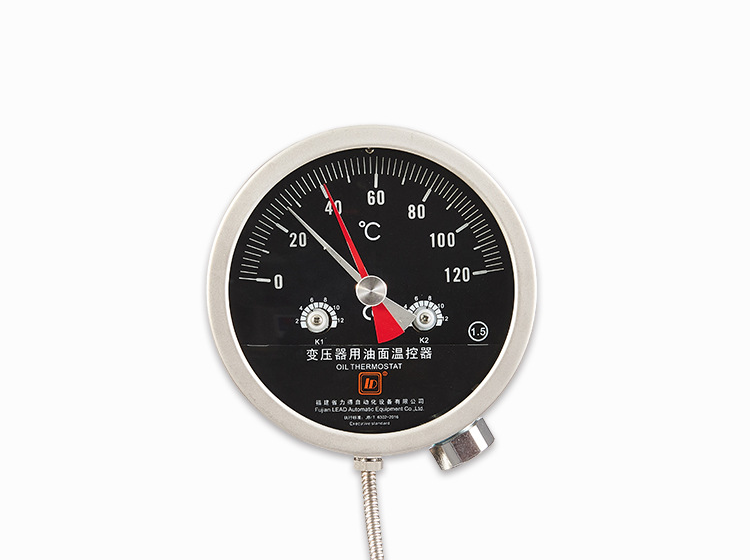
In the world of electrical engineering, the Oil immersed transformer thermostat as a vital component for safe, efficient, and reliable power transmission. The thermostat in these transformers, though often overlooked, plays a crucial role in ensuring the longevity and proper functioning of the transformer. This article will explore the intricate relationship between oil-immersed transformers and thermostats, delving into their mechanics, importance, challenges, and future advancements.
1. Introduction to Oil-Immersed Transformers
Transformers are essential for transmitting electrical power across distances, and oil-immersed transformers are particularly prominent in high-voltage applications. They operate by converting electrical energy from one voltage level to another, utilizing the principle of electromagnetic induction.
The key feature of oil-immersed transformers is their cooling mechanism. These transformers use mineral oil, or other insulating oils, to both insulate and cool the windings and core of the transformer. The oil absorbs the heat generated during the operation of the transformer and helps maintain a stable temperature. This is where the thermostat comes into play.
2. Understanding the Role of the Thermostat
The thermostat in an oil-immersed transformer is a temperature-sensitive device designed to monitor the oil temperature within the transformer. It acts as a guardian of the transformer’s operational limits, ensuring that the oil does not overheat and that the transformer runs efficiently.
The thermostat is typically placed in the oil-filled chamber of the transformer, where it continuously checks the temperature. If the temperature exceeds a predefined threshold, the thermostat sends a signal to the cooling system or triggers an alarm, thereby preventing the transformer from reaching dangerous temperatures. This function is vital, as overheating can cause the oil to break down, degrade the insulating properties, and lead to transformer failure.
3. How the Oil-Immersed Transformer Thermostat Works
The thermostat operates based on a simple yet effective mechanism: temperature sensitivity. It can function using different technologies, such as:
Bimetallic Thermostats: These devices consist of two metal strips with different expansion coefficients. When the temperature rises, the metals expand at different rates, causing the strip to bend and activate a switch. This switch then triggers a cooling action or activates a protective system.
Gas-Filled Thermostats: A more modern variant involves gas-filled sensors that operate similarly to a bimetallic thermostat but offer more precision and faster response times.
Digital Thermostats: With advancements in technology, many modern transformers use digital or microprocessor-based thermostats. These can provide real-time data on the transformer’s temperature and offer more advanced features, such as remote monitoring and diagnostics.
4. Why is Temperature Monitoring Important in Oil-Immersed Transformers?
Temperature control is critical for several reasons:
Preventing Overheating: Excessive temperatures can cause the oil to break down, leading to insulation failure and, ultimately, transformer failure. Maintaining optimal temperatures ensures that the oil retains its insulating properties, prolonging the life of the transformer.
Avoiding Oil Degradation: Oil degradation leads to the formation of sludge, which can clog the cooling system and cause further overheating. A thermostat helps prevent this by triggering the cooling system when necessary.
Minimizing Operational Failures: Transformer failures are costly and can cause widespread electrical outages. A thermostat prevents failures caused by overheating, thus ensuring the system’s reliability.
Energy Efficiency: A thermostat ensures that the transformer runs within its optimal temperature range, preventing unnecessary energy consumption or loss caused by inefficient cooling mechanisms.
5. Challenges in Thermostat Integration
While thermostats are essential, integrating them into an oil-immersed transformer comes with its own set of challenges:
Precision and Reliability: The thermostat must be highly accurate and reliable. Even a small deviation in temperature control can lead to overheating or unnecessary cooling, both of which can harm transformer efficiency and lifespan.
Environmental Factors: The conditions under which transformers operate can vary significantly. Extreme temperatures, vibrations, and exposure to contaminants like dust and moisture can affect the thermostat’s performance. Designing thermostats that can withstand such conditions is a significant challenge.
Maintenance: Regular inspection and calibration of the thermostat are required to ensure its proper functioning. Malfunctioning thermostats can go unnoticed, leading to potential transformer failures.
6. Innovations and the Future of Transformer Thermostats
As technology evolves, so does the way we monitor and control transformers. Several exciting advancements in thermostat technology could redefine how transformers are managed:
Smart Sensors: With the advent of IoT (Internet of Things) technology, smart thermostats with real-time remote monitoring are becoming a possibility. These thermostats can not only measure temperature but also communicate the data to operators in real-time. This opens up the potential for predictive maintenance, where problems can be detected and addressed before they lead to failures.
Advanced Cooling Systems: Future thermostats may be integrated with more sophisticated cooling systems, such as liquid-based cooling or phase-change materials, which can adapt to temperature changes more efficiently.
AI Integration: Artificial intelligence (AI) can potentially be used to predict temperature fluctuations based on real-time data and past transformer performance. This predictive approach could revolutionize maintenance schedules and reduce the likelihood of overheating incidents.
Environmental Impact: With increasing environmental awareness, future thermostats will be designed to not only protect transformers but also minimize the environmental footprint. This may include the use of biodegradable oils and energy-efficient cooling mechanisms.
7. Conclusion
The oil-immersed transformer thermostat is a small yet pivotal component in ensuring the safe and efficient operation of power distribution systems. By maintaining optimal temperatures, it protects the transformer from the perils of overheating, oil degradation, and ultimately, failure. As we move toward more advanced technologies, the integration of smart, AI-powered thermostats will likely increase the reliability, efficiency, and longevity of transformers, creating a more resilient and sustainable electrical grid for the future.
Through innovation, precision engineering, and increased digitalization, thermostats will continue to evolve, becoming even more integral to the safe operation of transformers, and by extension, the entire power distribution network.
In the intricate dance of power transmission, thermostats are the unsung heroes keeping the oil-immersed transformers functioning smoothly and safely.