
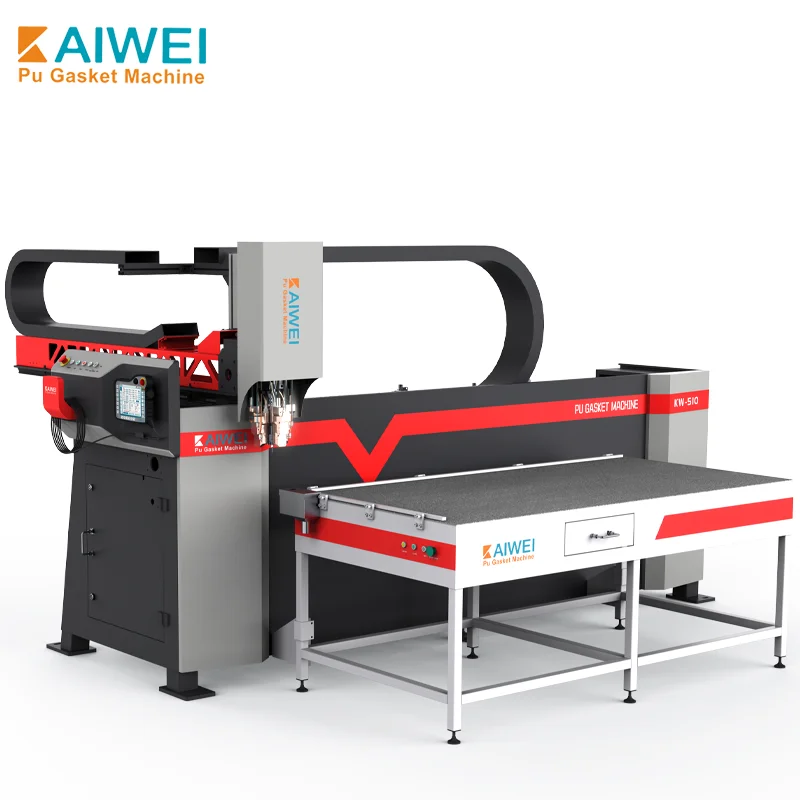
In the landscape of modern manufacturing and material science, polyurethane foaming machine stand as a cornerstone technology transforming countless industries worldwide. These sophisticated machines produce polyurethane foam — a versatile material used in everything from automotive components to insulation panels. But what exactly makes these machines so vital, and how do they function? Let’s dive into the unique world of polyurethane foaming machines, exploring their technology, applications, and the innovations driving their future.
What is a Polyurethane Foaming Machine?
At its core, a polyurethane foaming machine is an advanced industrial device designed to mix and dispense polyurethane raw materials—typically a polyol and an isocyanate—into a precise reaction that produces polyurethane foam. The foam created can be rigid or flexible, open-cell or closed-cell, depending on the formulation and process parameters.
These machines integrate high-precision metering pumps, mixing heads, and control systems to ensure accurate ratios and thorough mixing. The reaction produces a lightweight foam with exceptional mechanical and thermal properties, widely applicable in various sectors.
How Does a Polyurethane Foaming Machine Work?
The working principle centers on a two-component mixing system:
Metering: The machine uses pumps to draw the correct proportions of polyol and isocyanate from separate tanks.
Mixing: The components are rapidly and uniformly mixed inside a mixing head. High shear forces ensure a homogenous mixture.
Foaming: Once mixed, the reactive chemicals expand rapidly, creating a cellular foam structure.
Dispensing: The foam is then dispensed into molds, onto surfaces, or into production lines, depending on the application.
Sophisticated machines come equipped with digital control panels, real-time monitoring, and automated feedback loops, ensuring consistent product quality and minimal waste.
Unique Features and Innovations
High Precision Control: Modern polyurethane foaming machines leverage digital metering and servo motors for ultra-precise chemical ratios, enhancing foam consistency and performance.
Versatility: Machines can be programmed for diverse foam types—flexible, semi-rigid, rigid—tailored to application needs.
Eco-friendly Options: Advances include formulations with bio-based polyols and low-emission processes, reflecting sustainability trends.
Automation & Integration: Integration with robotics and Industry 4.0 systems enables full automation and remote operation, increasing efficiency.
Applications Across Industries
The scope of polyurethane foam is vast, and so is the role of foaming machines in creating value:
Automotive Industry: Used for seating cushions, insulation panels, and vibration dampers, polyurethane foam contributes to comfort and safety.
Construction Sector: Rigid foam panels produced by foaming machines provide superior insulation, reducing energy costs.
Furniture Manufacturing: Flexible foam cushions and mattresses owe their comfort to these precise machines.
Packaging: Protective foam packaging reduces damage to sensitive goods during shipping.
Electronics: Thermal management foam solutions help cool devices efficiently.
Benefits of Using Polyurethane Foaming Machines
Customizable Foam Properties: Control over density, firmness, and cell structure.
Reduced Waste: Precise metering reduces raw material wastage.
Enhanced Productivity: Automation allows continuous, high-speed production.
Cost Efficiency: Streamlined operations lower production costs.
Improved Product Quality: Consistency and reliability ensure end products meet rigorous standards.
Future Trends: Smart Foaming Machines and Sustainability
Looking ahead, polyurethane foaming machines are evolving rapidly:
Smart Sensors & AI: Integration of AI-driven sensors enables predictive maintenance and optimized foam formulations in real time.
Green Chemistry: Development of new eco-friendly raw materials and zero-VOC (volatile organic compound) emissions are setting new environmental standards.
Compact and Modular Designs: Machines are becoming smaller and more modular, allowing flexible manufacturing setups and easy scalability.
Energy Efficiency: Improved pump designs and heat recovery systems reduce energy consumption dramatically.
Conclusion
Polyurethane foaming machines are more than just industrial tools — they are enablers of innovation across multiple sectors. By transforming raw chemicals into versatile foams with extraordinary properties, these machines are vital to manufacturing the products we rely on every day. As technology advances, their role will only grow, driven by smarter controls, sustainability imperatives, and expanding applications. For businesses aiming to stay competitive and eco-conscious, investing in cutting-edge polyurethane foaming machines is a step toward a smarter, greener future.