
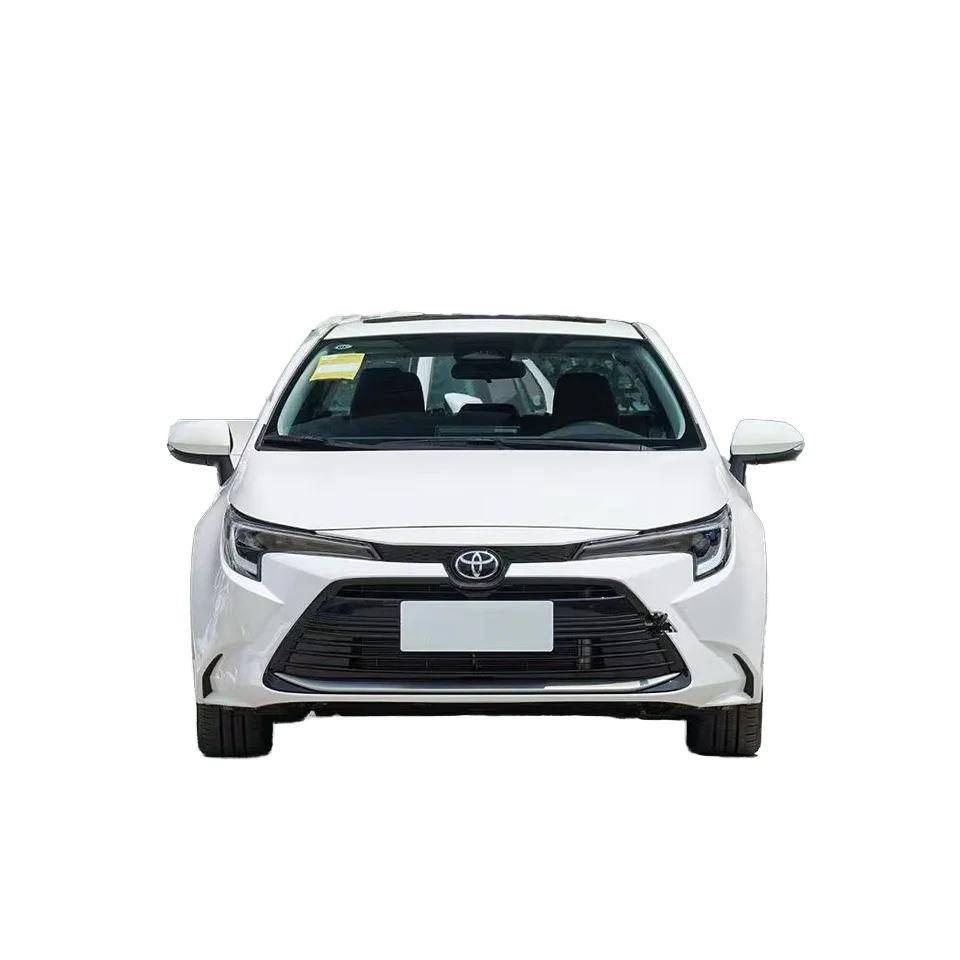
When one thinks of the automotive world, brands like Toyota, Ford, BMW, and Tesla usually come to mind. However, over the past two decades, chinese cars have been quietly but decisively reshaping the global automotive landscape, transforming from budget alternatives to innovative contenders with ambitions that stretch far beyond their domestic market.
From Humble Beginnings to Automotive Powerhouse
China’s journey in the car industry began largely as an assembler of foreign models through joint ventures with Western and Japanese automakers. For many years, Chinese cars were often viewed as low-cost, basic vehicles primarily catering to local markets. But that perception has changed dramatically.
In the 2000s, Chinese manufacturers began investing heavily in research and development, aiming not only to produce affordable cars but to compete in quality, design, and technology. Companies like BYD, Geely, Great Wall Motors, and NIO emerged as champions of this new wave, focusing on everything from compact city cars to luxury SUVs and electric vehicles.
Innovation at the Heart of Chinese Cars
One of the most striking trends in the Chinese automotive industry is its rapid embrace of electric vehicles (EVs) and smart car technology. China is the largest EV market in the world, and its automakers have led innovations in battery technology, charging infrastructure, and software integration.
Brands like NIO, XPeng, and Li Auto have made headlines for integrating advanced autonomous driving features, cutting-edge infotainment systems, and vehicle-to-everything (V2X) communication technology. This has positioned China not just as a manufacturer but as a global innovation hub shaping the future of mobility.
Design Evolution and Quality Improvements
Chinese cars have also undergone a remarkable transformation in aesthetics and build quality. Early models were often criticized for imitating foreign designs and lacking refinement. Today, many Chinese vehicles boast original, sophisticated designs created by internationally renowned design studios and veteran automotive designers.
Moreover, quality control and safety standards have risen substantially. Many models now meet or exceed international safety regulations, appealing to discerning buyers in both domestic and export markets.
Global Expansion and Ambitions
Chinese carmakers are no longer content with dominating their vast home market. They are aggressively expanding into international territories, including Southeast Asia, Europe, Africa, and even North America. Geely’s acquisition of Volvo and stakes in other global brands exemplifies China’s strategy of acquiring expertise while building its own global footprint.
Chinese EVs, in particular, are gaining traction abroad due to their competitive pricing and cutting-edge features. This expansion not only challenges established automakers but also contributes to a broader shift toward electrification worldwide.
Challenges on the Road Ahead
Despite tremendous progress, Chinese cars face challenges such as overcoming lingering quality perceptions, navigating complex global trade regulations, and establishing strong brand recognition outside Asia. Intellectual property concerns and geopolitical tensions can also complicate expansion strategies.
Nevertheless, the rapid technological progress and massive domestic market provide a solid foundation for continued growth and influence.
Conclusion: The New Automotive Contenders
Chinese cars represent a fascinating and dynamic chapter in the global automotive story. From modest beginnings to industry innovators, they challenge traditional assumptions and accelerate the transition toward smart, sustainable mobility.
As they continue to refine their products and expand internationally, Chinese car brands are poised not just to compete but to lead — a sign that the automotive future may very well be written in Mandarin.