
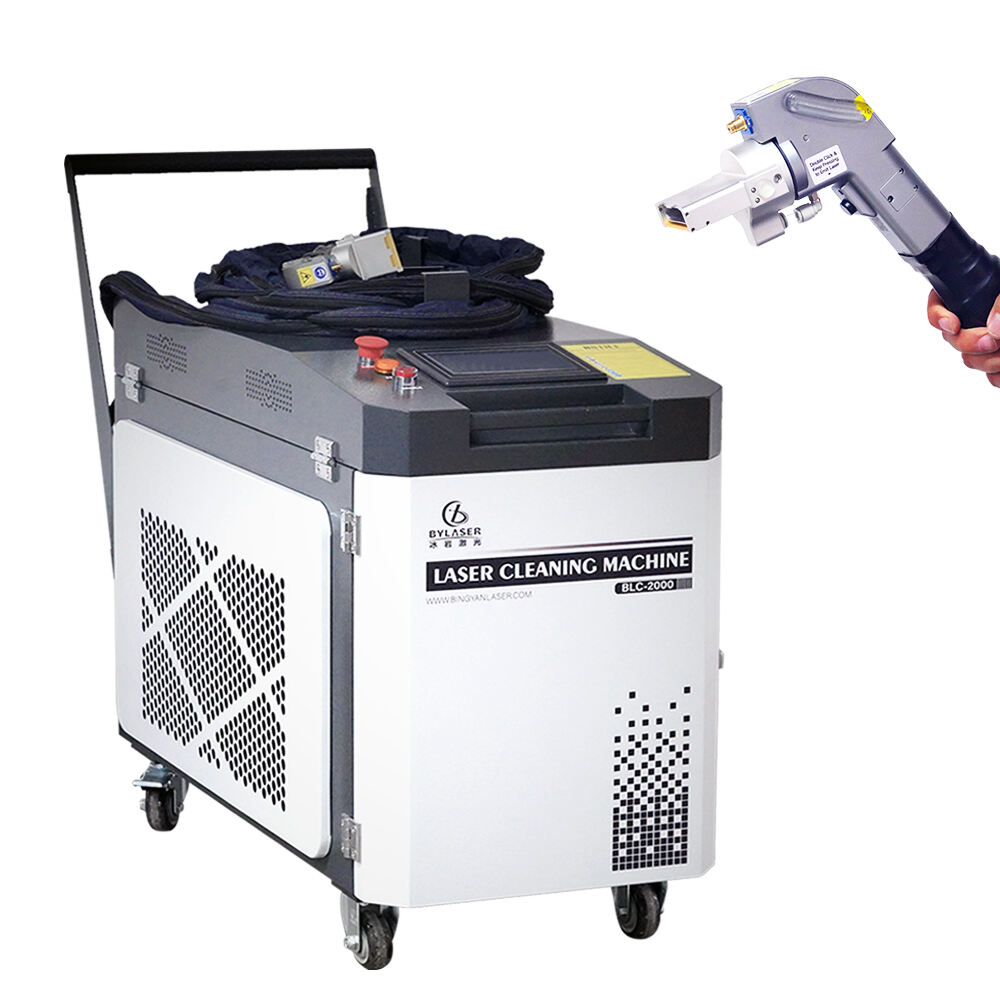
In today’s fast-paced industrial world, precision and durability are paramount. Whether it’s marking serial numbers on electronics, engraving logos on promotional items, or labeling medical instruments, laser marking machines have become indispensable tools Laser Cutting Machine across multiple sectors. But what exactly is the science behind these impressive machines? How do they work, and why have they become essential in manufacturing and beyond? This blog post dives deep into the technology and practical significance of laser marking machines, revealing the intricate science that makes them so effective.
Understanding Laser Marking Machines
At its core, a laser marking machine uses a focused beam of light—known as a laser—to create marks on the surface of various materials. Unlike traditional ink-based printing, laser marking alters the surface of the material itself through precise interaction with the substrate. This process produces permanent, high-resolution marks that are resistant to wear, heat, and chemicals.
Laser marking can be applied to metals, plastics, ceramics, glass, and even organic materials like wood and leather. This versatility makes it highly valued in industries ranging from aerospace and automotive manufacturing to pharmaceuticals and electronics.
The Science Behind the Laser Beam
Lasers, an acronym for Light Amplification by Stimulated Emission of Radiation, generate coherent light—a beam where the light waves are synchronized in phase, frequency, and direction. This coherence is critical for the laser’s ability to focus energy into a tiny spot with incredible intensity.
When the laser beam hits a material, its energy causes a physical or chemical change. Depending on the type of laser and the material, the surface might be vaporized (ablation), oxidized (annealing), or altered in color (carbonization). The precision with which the beam can be controlled allows manufacturers to create intricate patterns, codes, or texts with micron-level accuracy.
Types of Laser Marking Techniques
Several marking methods utilize different physical effects induced by laser light. The most common include:
Annealing: This method is typically used on metals such as stainless steel. The laser heats the surface without breaking it, causing oxidation that darkens the metal, forming a high-contrast mark without damaging the surface integrity.
Ablation: The laser removes a thin layer of material from the surface, exposing a contrasting layer beneath. This method is used for marking coated or painted surfaces.
Carbonization: Primarily applied to plastics, the laser decomposes the material’s surface layer, resulting in a darkened mark.
Foaming: In some plastics, laser energy causes trapped gas bubbles to expand beneath the surface, creating a raised or textured mark.
Each method is carefully chosen based on the substrate and the desired visual or functional outcome, highlighting the sophisticated material science integrated into laser marking.
The Mechanics: How Laser Marking Machines Work
Laser marking machines consist of several key components working in harmony:
Laser Source: The core of the machine, where the laser light is generated. Common types include fiber lasers, CO2 lasers, and Nd:YAG lasers, each with specific wavelengths suitable for different materials.
Beam Delivery System: Mirrors or optical fibers guide the laser beam from the source to the workpiece.
Galvanometer Scanner: High-speed mirrors that rapidly steer the laser beam across the surface, enabling complex and detailed marking patterns.
Focusing Lens: Concentrates the laser beam into a tiny spot to maximize energy density.
Worktable and Positioning: A platform where the material is placed, often equipped with precise movement controls to align the workpiece for accurate marking.
The entire process is typically controlled by computer software, which allows for programmable patterns, fonts, and logos to be easily loaded and adjusted, making laser marking both flexible and efficient.
Advantages Over Traditional Marking Methods
Laser marking machines offer numerous advantages compared to inkjet printing, stamping, or etching:
Permanence: Laser marks are resistant to abrasion, heat, solvents, and UV light, ensuring that the markings remain legible throughout the product’s lifetime.
Precision and Detail: Laser marking can produce extremely fine details, including barcodes and QR codes that can be scanned reliably.
Non-contact Process: Since the laser does not physically touch the material, there is no tool wear, and delicate or small parts can be marked without damage.
Speed and Automation: Laser marking can be integrated into automated production lines for rapid, repeatable marking.
Environmental Friendliness: No inks, solvents, or chemicals are needed, reducing waste and environmental impact.
These benefits make laser marking the preferred choice for critical applications, especially where traceability and quality are essential.
Applications Across Industries
Laser marking machines have transformed numerous industries by enabling high-quality, permanent marking that meets regulatory and branding needs:
Electronics: Marking circuit boards and components with serial numbers, batch codes, and safety labels.
Automotive: Engraving parts for traceability and quality control, helping to prevent counterfeit components.
Medical Devices: Creating sterilizable, permanent marks on surgical tools and implants to ensure compliance with safety standards.
Jewelry and Personalization: Producing intricate engravings on metals and precious stones.
Packaging and Consumer Goods: Marking expiration dates, barcodes, and branding directly onto product surfaces.
The precision and reliability of laser marking machines help manufacturers improve product quality, enhance brand identity, and comply with strict regulations.
Future Trends and Innovations
As laser technology evolves, several exciting trends are emerging:
Miniaturization: Compact laser marking systems are becoming more accessible for small businesses and on-site applications.
Multifunctional Machines: Integration with 3D scanning and robotics allows for marking on complex geometries.
Advanced Software: AI-powered software enables smarter marking decisions, optimizing quality and speed.
New Laser Types: Emerging lasers with different wavelengths and pulse durations allow marking on previously challenging materials.
These innovations promise to expand the capabilities of laser marking machines, making them even more versatile and essential for modern manufacturing.