
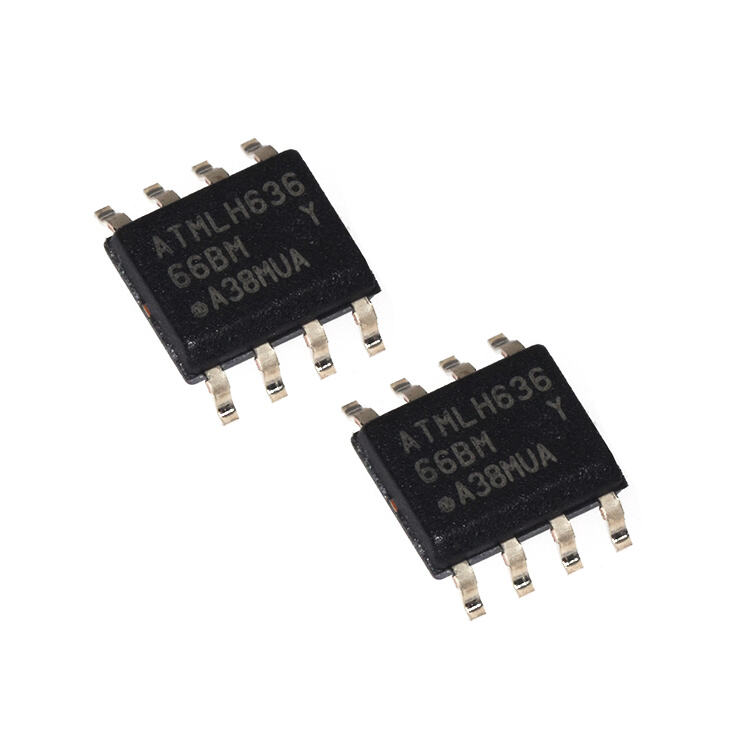
In the vast world of electronics, certain components quietly enable the smooth functioning of devices without always being in the limelight. The Thyristor is one such unsung hero. With its remarkable ability to switch, control, and regulate electrical currents, it has had an enduring presence in everything from power grids to modern gadgets. But what exactly is a thyristor, and why is it so special? In this article, we will delve into the nature, history, applications, and intriguing capabilities of this device that continues to shape the electrical landscape.
What is a Thyristor?
At its core, a thyristor is a four-layered, three-junction semiconductor device that acts as a switch. It has the ability to switch between on and off states, which makes it ideal for controlling electrical power. It is sometimes referred to as a controlled rectifier, as it can convert AC (alternating current) to DC (direct current) while maintaining control over the flow of electricity.
The device is made up of two P-type and two N-type semiconductor materials, forming four layers (PNPN). When a small current is applied to one of its terminals (the gate), the device either turns on or off, depending on its state. Once “on,” the thyristor remains in this state even without continuous gate current, until the external power is removed or the current falls below a certain level, effectively turning it off.
History: From Vacuum Tubes to Solid-State Wonders
The journey of the thyristor began in the late 1950s when scientists sought more reliable, efficient alternatives to vacuum tubes for switching and amplifying electrical signals. The development of the thyristor was led by Dr. Gordon K. Teal and his team at Texas Instruments, culminating in the device’s first demonstration in 1957.
What made the thyristor revolutionary was that it offered the high-speed performance of semiconductors while also maintaining the high-voltage capability of vacuum tubes, without the bulk and fragility. This solid-state technology quickly found applications in the burgeoning fields of telecommunications, industrial control, and power distribution.
How Does a Thyristor Work?
The operation of a thyristor can be broken down into a few key stages:
Initial State (Off): In its default state, the thyristor behaves like an open switch, with no current flowing through it.
Triggering (Turning On): A small voltage pulse is applied to the gate terminal, which causes the junctions inside the device to change their state. This enables the thyristor to conduct current between the anode and cathode terminals.
On-State (Conducting): Once turned on, the thyristor allows a large amount of current to pass through. The device remains in this on-state until the current drops below a certain threshold.
Turning Off: The thyristor remains in the conducting state until the current flowing through it is interrupted (e.g., when a power supply is turned off, or the current falls below a critical value).
The ability to stay on after being triggered, and only turning off when the power is cut, is a key feature that makes thyristors highly efficient for power regulation.
Types of Thyristors
While the basic structure of a thyristor is simple, there are many variations designed to cater to different applications. Here are some of the most common types:
1. Silicon-Controlled Rectifier (SCR)
This is the most commonly used form of thyristor. SCRs are primarily used for switching and controlling high-voltage and high-current devices in both DC and AC systems. They are essential in motor control systems, power supplies, and light dimmers.
2. Triac
The Triac is a bi-directional thyristor that can conduct in both directions. It is commonly used in AC power control applications, such as light dimmers, fan speed controllers, and solid-state relays. Because it can handle AC power (both positive and negative cycles), it is an essential component in consumer electronics.
3. Diac
The Diac is a type of thyristor used primarily for triggering Triacs. It is often found in phase-control applications like light dimmers, where it acts as a trigger to start the conduction of a Triac at the right moment.
4. Gate Turn-Off Thyristor (GTO)
The GTO is a more advanced type of thyristor. Unlike a standard SCR, it can be turned off by applying a signal to its gate, providing more precise control. GTOs are used in high-power applications, such as motor drives and industrial power control systems.
5. Shockley Diode
The Shockley diode is a two-layer device that operates similarly to a thyristor but lacks a gate terminal. It’s often used for triggering other devices or as a protection circuit in switching applications.
Applications of Thyristors: The Silent Workhorse
The versatility of thyristors has made them integral to a wide array of fields, particularly in power electronics. Their most common uses include:
1. Power Electronics and Conversion
Thyristors are essential in power conversion systems that require high-voltage regulation and efficient switching. They are at the heart of devices like:
AC to DC converters: Inverters and rectifiers use thyristors to convert alternating current (AC) to direct current (DC).
DC to AC inverters: Thyristors are used in solar inverters to convert DC from solar panels into usable AC power.
2. Industrial Control Systems
In industries that require precise regulation of power, such as manufacturing and processing, thyristors are used in systems that control electric motors, heating elements, and lighting systems. They allow for smooth regulation of power and provide energy savings by adjusting current flow.
3. Power Grid Management
Thyristors also play a significant role in high-voltage direct current (HVDC) transmission systems, which enable efficient long-distance transmission of power. These systems use thyristors to control and rectify the power, ensuring minimal loss over vast distances.
4. Light Dimmer and Fan Control
In household applications, thyristors are found in devices that control the brightness of lights and the speed of ceiling fans. By controlling the timing and intensity of the electrical pulse, thyristors adjust the power supplied to these devices.
5. Over-voltage Protection
Thyristors are also used in surge protection systems to prevent damage from voltage spikes in electrical circuits. The thyristor absorbs excess energy and regulates voltage surges, making them an essential component in protecting sensitive electronics.
Advantages of Thyristors
High Efficiency: Once a thyristor is triggered, it stays on without needing a continuous signal, leading to minimal power loss.
High Voltage and Current Handling: Thyristors are designed to handle large amounts of voltage and current, making them suitable for industrial and grid-level power control.
Fast Switching: Despite being a solid-state device, thyristors can switch very quickly, making them ideal for high-speed, real-time applications.
Challenges and Limitations
Slow Turn-off Time: While they remain “on” once triggered, thyristors take time to turn off. This can be an issue in applications requiring precise control over switching times.
Thermal Runaway: If not properly heat-sinked, thyristors can experience thermal runaway, where excessive heat can cause them to fail.
The Future of Thyristors
As the world moves towards smarter, more energy-efficient technologies, the role of thyristors in power management will continue to expand. From renewable energy systems to electric vehicles, thyristors are poised to become even more integral in future energy solutions. Additionally, new materials such as silicon carbide and gallium nitride may push the performance of thyristors even further, allowing them to operate at higher temperatures and voltages with greater efficiency.
Conclusion: A Pillar of Modern Electronics
Though often overlooked in favor of more glamorous technologies, the thyristor has earned its place as a vital building block in the world of power electronics. Its ability to control and regulate electricity with precision and efficiency has made it an indispensable tool in industries ranging from telecommunications to energy production. As technology continues to evolve, we can expect the thyristor to evolve with it, continuing to silently power the world around us.