
In a world filled with ever-Wax Candle technology, there’s a certain allure that comes from something as simple and enduring as a wax candle. While we have a wide variety of lighting options today, candles continue to hold a special place in our homes and hearts. Whether used for creating an intimate atmosphere, celebrating a special occasion, or simply bringing warmth and serenity into a room, wax candles are more than just sources of light—they are timeless objects of beauty and craftsmanship.
Let’s explore the fascinating world of wax candles, from their history and types to their growing popularity in modern-day living spaces.
The Ancient Origins of Wax Candles
Candles have been an integral part of human civilization for thousands of years. The first use of wax as a candle-making material dates back to ancient Egypt, where beeswax was used for creating primitive lighting tools. These early candles were primarily used for religious and ceremonial purposes, providing light for rituals and sacred events.
In ancient Rome, tallow (animal fat) was commonly used in candle-making, though beeswax remained the preferred material for those who could afford it. Fast forward to the Middle Ages, and candles became essential for lighting homes, churches, and monasteries. By the 18th century, the development of stearin (a type of fat derived from animal sources) and the discovery of paraffin wax in the 19th century revolutionized the candle industry, making them more accessible and affordable for the masses.
Despite the technological innovations in lighting, candles have never gone out of style. In fact, they’ve become symbols of warmth, relaxation, and even romance, evolving from a purely functional object to a luxurious decorative element.
The Types of Wax Used in Candle Making
While the classic beeswax candle is still highly revered, today’s market offers a diverse range of wax options. Each type of wax brings its own characteristics and benefits, allowing candle enthusiasts to choose based on their preferences and needs. Here’s a breakdown of the most popular wax types used in candle making:
- Beeswax: As one of the oldest and most natural candle materials, beeswax candles have a subtle honey scent and a rich golden color. Beeswax burns longer than most other types of wax and is considered eco-friendly. Its natural air-purifying qualities also make it a favorite among health-conscious consumers. Beeswax candles are often used for their clean burn and minimal soot production.
- Paraffin Wax: This is the most common wax used in mass-market candles. Derived from petroleum, paraffin wax is cost-effective and widely available, making it a popular choice for manufacturers. It burns cleanly and has a smooth texture, making it ideal for molded and shaped candles. However, some people prefer to avoid paraffin due to its petroleum base.
- Soy Wax: Gaining popularity in recent years, soy wax is a vegetable-based wax made from soybean oil. It is a renewable resource and burns more cleanly than paraffin, producing less soot. Soy wax is also biodegradable, making it an eco-friendly choice for candle lovers. Soy candles tend to burn cooler, resulting in a longer-lasting burn time. They also work well with essential oils for a natural fragrance experience.
- Palm Wax: Palm wax is derived from the oil of palm trees and is another eco-friendly option, though its sustainability has been debated due to the environmental impact of palm oil plantations. Palm wax is known for its ability to create unique crystalline textures, giving candles a distinct, natural appearance.
- Coconut Wax: A newer addition to the candle market, coconut wax is derived from the meat of coconuts. It is known for its clean burn, excellent fragrance throw (how well the scent is dispersed when the candle is lit), and creamy, smooth texture. Coconut wax is often blended with other plant-based waxes, such as soy, to improve performance.
The Art of Candle Making
Candle making is both a science and an art form. While the process itself is relatively straightforward—melting wax, adding fragrance or color, and pouring it into a mold or container—the possibilities for customization are endless. Skilled candle makers experiment with various combinations of waxes, fragrances, and molds to create one-of-a-kind products that reflect their creativity and craftsmanship.
One of the most important aspects of candle making is the scent. Fragrance oils are added to melted wax to create a delightful aroma when the candle is burned. These scents can range from fresh florals and calming lavender to warm vanilla or even more complex blends like cinnamon-spiced apple. The right fragrance can transform a simple candle into a sensory experience, enhancing the ambiance of any room.
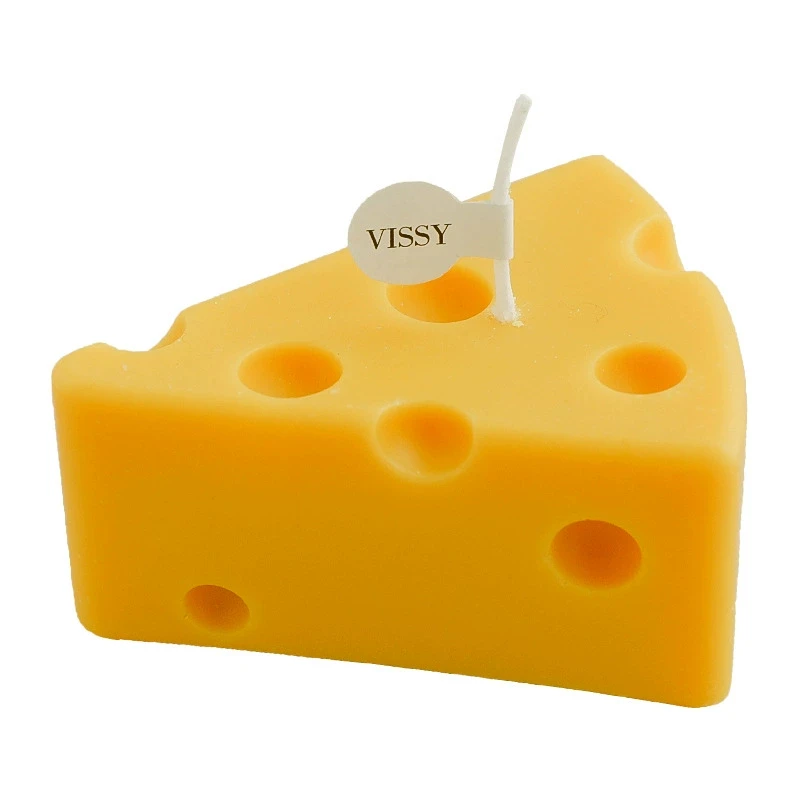
The shape and design of the candle are also crucial. Candles can be molded into simple pillar shapes, poured into decorative containers, or sculpted into intricate designs, such as flowers, animals, or even holiday-themed shapes. For those who enjoy DIY projects, candle-making kits are readily available, allowing enthusiasts to craft their own personalized candles at home.
Wax Candles and Their Role in Modern Spaces
In today’s fast-paced world, candles offer more than just light—they create ambiance, enhance moods, and provide a sense of calm and comfort. Whether placed on a dinner table for a romantic evening, in the bathroom for a spa-like experience, or in a living room to set a cozy tone, wax candles bring warmth and character to any setting.
In addition to their aesthetic appeal, candles also play an important role in promoting mindfulness and relaxation. Lighting a candle during meditation or yoga practice can help individuals create a peaceful environment, allowing them to focus and unwind. The soft glow of a candle can also improve sleep quality by promoting relaxation and reducing stress.
For those interested in eco-conscious living, wax candles made from sustainable materials like soy, beeswax, or coconut wax are increasingly popular. These options offer an environmentally friendly alternative to traditional paraffin candles, with many being biodegradable and free from harmful chemicals.
Conclusion: A Lasting Legacy
The wax candle is more than just a source of light; it’s a symbol of tranquility, elegance, and tradition. From its ancient beginnings to its modern-day resurgence, wax candles continue to captivate us with their beauty, versatility, and ability to enhance any environment. Whether used to celebrate, meditate, or simply enjoy the soft flicker of a flame, candles remain timeless companions in our homes.
As we continue to embrace sustainability, craftmanship, and unique designs, one thing is certain: wax candles will remain an enduring fixture in our lives, lighting the way for generations to come.