
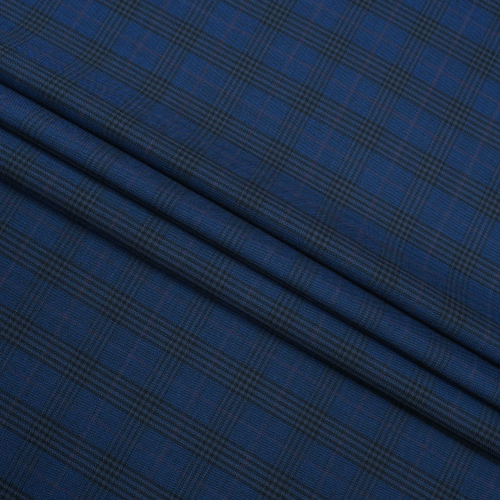
In the realm of textiles, few materials carry the legacy and warmth of wool. Revered for centuries for its natural insulation, moisture-wicking properties, and durability, wool has been the cornerstone of quality apparel and home textiles. Yet, in today’s fast-evolving fabric industry, pure wool often steps aside to make room for an intriguing hybrid — the wool blend. This fusion of wool with other fibers creates a fabric that harmonizes the best of both worlds: nature and technology, tradition and modernity.
What Exactly Is a Wool Blend?
A wool blend is a textile composed primarily of wool mixed with one or more additional fibers. These fibers might be natural, like cotton, silk, or linen, or synthetic, such as polyester, nylon, or acrylic. The proportions vary widely, allowing manufacturers to tailor the fabric’s characteristics for specific uses, aesthetics, and performance demands.
The magic of wool blends lies in their versatility. By marrying wool’s innate qualities with complementary fibers, designers and producers craft materials that overcome the limitations of pure wool — from weight and cost to durability and care requirements.
Why Wool Blends Stand Out: The Benefits
Enhanced Durability: Wool, while resilient, can be prone to pilling or abrasion over time. Adding synthetic fibers like nylon or polyester reinforces the fabric, making it tougher for everyday wear without compromising softness.
Improved Comfort: Wool’s natural itchiness can deter some wearers. Blending it with cotton or silk softens the texture, creating a gentler touch on sensitive skin while maintaining breathability.
Cost-Effectiveness: Pure wool is a luxury. Wool blends offer a more budget-friendly alternative by incorporating less expensive fibers, expanding access to the warmth and elegance of wool without the hefty price tag.
Versatility in Care: Wool often demands delicate handling, such as hand washing or dry cleaning. When blended with synthetic fibers, the fabric usually becomes more machine-washable and wrinkle-resistant, offering practicality for modern lifestyles.
Climate Adaptability: By altering the fiber composition, wool blends can be engineered for diverse climates — lighter blends for mild temperatures and heavier, insulating blends for cold weather.
Applications: Where Wool Blends Shine
Fashion: Wool blends dominate seasonal wardrobes, from tailored suits and coats to cozy sweaters and scarves. Designers exploit the blend’s flexibility to create garments that balance structure with softness and warmth with style.
Home Textiles: Wool blends enrich upholstery, blankets, and rugs, offering durability and comfort while enhancing aesthetic appeal.
Outdoor Gear: Technical blends incorporate moisture-wicking and quick-drying fibers to create performance fabrics suited for hiking, skiing, and other cold-weather activities.
Sustainable Choices: As sustainability becomes paramount, wool blends are increasingly used to combine renewable fibers with recycled synthetics, reducing environmental impact without sacrificing quality.
The Future of Wool Blends: Innovation Meets Sustainability
Advancements in fiber technology continue to push the boundaries of what wool blends can achieve. Innovations such as bioengineered fibers and eco-friendly dyeing processes are transforming wool blends into fabrics that not only perform better but also tread lighter on the planet.
Moreover, the exploration of blends with natural fibers like hemp, bamboo, and Tencel is creating textiles that celebrate biodegradability and renewable resources, ensuring that wool’s age-old virtues endure in a modern, conscious world.
Conclusion
Wool blends represent a fascinating intersection of heritage and innovation. They honor wool’s timeless warmth and resilience while embracing the functional benefits of complementary fibers. Whether in the realm of fashion, home décor, or outdoor gear, wool blends deliver a unique fabric experience — one that respects tradition but is undeniably forward-looking. For anyone seeking a textile that balances comfort, durability, and style, the wool blend stands as a sophisticated and sustainable choice.