
When setting up a manufacturing facility or repair workshop, the choice of building structure plays a crucial role in operational efficiency, cost management, and future scalability. Increasingly, businesses are turning to steel structures for their Workshop Steel Structure due to the numerous advantages they offer. Here are the top reasons why a workshop steel structure is the ideal choice for manufacturing or repair operations.
1. Durability and Strength
Steel is renowned for its exceptional strength-to-weight ratio, making it a robust material choice for workshops. Steel structures withstand harsh industrial environments, heavy machinery vibrations, and extreme weather conditions without compromising structural integrity. This durability translates into safer workspaces and longer service life.
2. Fast and Efficient Construction
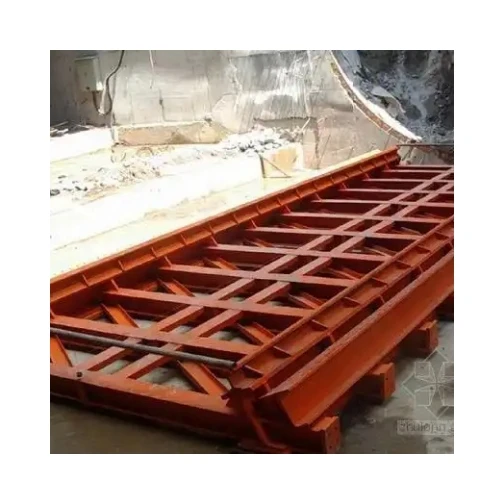
Steel workshops can be fabricated off-site and assembled quickly on location. This significantly reduces construction timelines compared to traditional brick-and-mortar buildings. Faster project completion means you can begin manufacturing or repairs sooner, minimizing downtime and lost productivity.
3. Cost-Effectiveness
Steel structures offer a cost-effective solution due to lower labor costs, reduced construction waste, and minimal foundation requirements. The ability to prefabricate components off-site streamlines assembly and lowers overall expenses. Additionally, steel’s durability reduces maintenance costs over the building’s lifespan.
4. Flexible and Expandable Design
Manufacturing and repair needs often evolve, requiring changes in workshop layout or capacity. Steel structures provide unmatched flexibility for future expansion or reconfiguration. Adding new bays, mezzanine floors, or overhead cranes can be done with minimal disruption and cost.
5. High Load-Bearing Capacity
Workshops frequently house heavy equipment, storage racks, and large vehicle repairs. Steel’s high load-bearing capacity supports these needs effectively. It allows for wide spans without internal columns, providing unobstructed floor space essential for efficient workflow.
6. Fire Resistance and Safety
Steel is non-combustible and performs well under fire conditions compared to wood or other materials. When combined with fireproof coatings or insulation, steel structures enhance workshop safety by minimizing fire risks—a critical consideration in industrial settings.
7. Sustainability and Recyclability
Steel is one of the most recyclable building materials available. Choosing a steel structure supports sustainable building practices, reduces environmental impact, and may contribute to green certification points if your facility seeks such accreditation.
8. Low Maintenance Requirements
Steel buildings require less maintenance than traditional constructions. They resist pests like termites, do not rot or warp, and are less susceptible to mold and mildew. This reduces ongoing upkeep and related costs.
9. Improved Space Utilization
Thanks to steel’s strength, workshop designs can incorporate large open floor plans with high ceilings, allowing for efficient placement of machinery and better movement of materials. This enhances operational workflow and worker safety.
10. Customization Options
Steel workshops can be tailored to specific industry requirements. Options include insulation for temperature control, ventilation systems, specialized doors for vehicle access, and integration of utility lines. This adaptability ensures the facility perfectly matches manufacturing or repair demands.
Conclusion
A workshop steel structure offers a compelling combination of strength, speed, flexibility, and cost efficiency, making it the preferred choice for manufacturing and repair facilities. By investing in steel construction, businesses can create durable, safe, and adaptable workshops that support growth and operational excellence for years to come.