
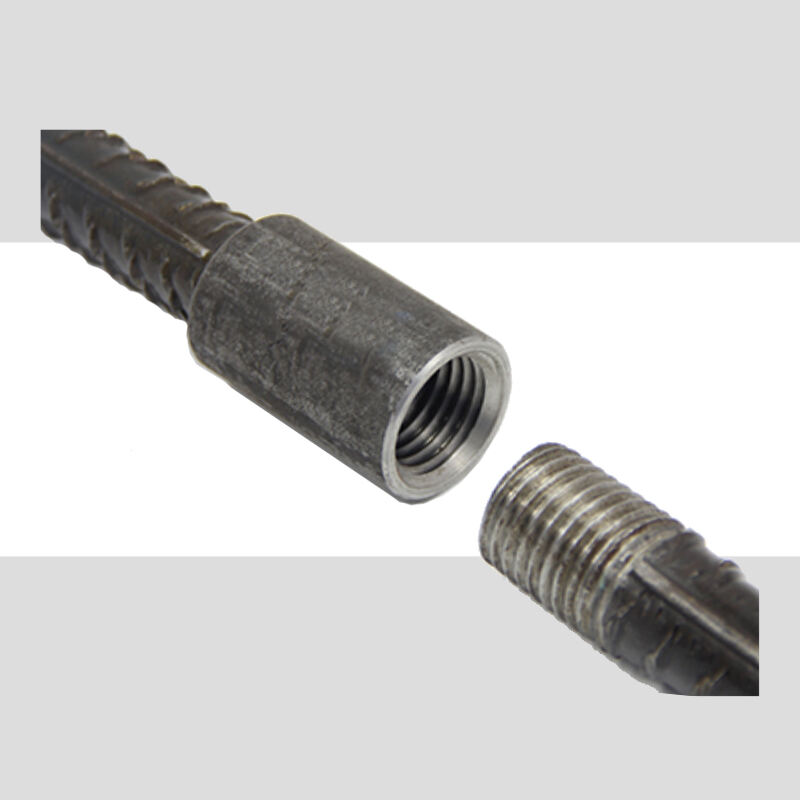
In the realm of structural engineering and construction, the choice of connection methods plays a crucial role in the durability, strength, and overall safety of a structure. Among various Weldable Connection techniques, weldable connections stand out as a preferred option for many structural applications. This article explores the top reasons why weldable connections offer superior performance, making them a cornerstone in modern construction practices.
1. Exceptional Strength and Load Capacity
Welded joints provide a continuous bond between metal components, resulting in connections that often perform as strongly as or stronger than the base materials themselves. Unlike mechanical fasteners such as bolts or rivets, welding fuses the components together, eliminating slip or relative movement at the joint. This translates to superior load transfer capabilities, ensuring structures can safely bear heavy and dynamic loads.
2. Enhanced Structural Integrity and Rigidity
Weldable connections contribute significantly to the overall stiffness and rigidity of a structure. Since welded joints are essentially seamless, they distribute stresses more evenly across the connected members, reducing the risk of localized stress concentrations. This uniform stress distribution helps maintain the integrity of the structure under both static and dynamic loads, which is especially critical in seismic zones or high-wind environments.
3. Improved Fatigue Resistance
Structures subjected to cyclic loading, such as bridges, cranes, and high-rise buildings, require connections that resist fatigue failure. Welded joints, when properly designed and executed, exhibit excellent fatigue resistance due to the continuity of the connection and the elimination of bolt holes or mechanical discontinuities that can act as stress risers. This makes weldable connections highly suitable for long-life and safety-critical structures.
4. Flexibility in Design and Fabrication
Welding allows for greater design freedom compared to mechanical connections. Complex geometries, irregular shapes, and customized assemblies can be efficiently joined using welding techniques. This flexibility enables engineers to optimize structural designs for weight, aesthetics, and performance without being constrained by the limitations of mechanical fasteners.
5. Reduced Material Bulk and Weight
Since welded connections do not require overlapping plates or additional fasteners, they often result in lighter and more streamlined structures. Eliminating extra materials such as bolts, nuts, or rivets reduces the overall bulk and weight of the assembly, which can translate to cost savings in both materials and transportation. Additionally, lighter structures can reduce foundation loads and improve seismic performance.
6. Cost-Effectiveness Over the Lifecycle
While welding may involve higher initial labor costs compared to bolting, the overall lifecycle cost often favors welded connections. Reduced maintenance requirements, longer service life, and enhanced structural reliability contribute to lower total ownership costs. Welded joints also minimize inspection and replacement needs, saving time and expenses over the lifespan of the structure.
7. Superior Aesthetic Appeal
Welded connections often produce cleaner and more visually appealing joints, especially in architectural and exposed structural elements. Without the need for visible bolts or plates, welding enables smooth transitions between components, enhancing the overall aesthetic of the structure. This is particularly important in projects where form and function must seamlessly coexist.
8. Compatibility with Automation and Modern Fabrication Technologies
The construction industry is increasingly adopting automation and robotic welding technologies, which improve the precision, speed, and repeatability of weldable connections. Automated welding reduces human error, enhances quality control, and accelerates fabrication schedules, making weldable connections a forward-looking choice for efficient and reliable structural assembly.
9. Excellent Resistance to Environmental and Operational Conditions
Welded joints, when properly protected with coatings or treatments, exhibit excellent resistance to corrosion, weathering, and harsh operating environments. Unlike mechanical fasteners, which may loosen or corrode over time, welded connections form a sealed bond that resists infiltration of moisture or contaminants. This durability is essential for structures exposed to marine, industrial, or extreme weather conditions.
10. Compliance with Industry Standards and Codes
Modern building codes and industry standards recognize and often prefer welded connections for critical structural elements due to their proven performance. Welding procedures and quality assurance protocols are well established, ensuring that connections meet stringent safety and performance criteria. This regulatory acceptance provides designers and contractors confidence in specifying weldable connections for vital applications.
Conclusion
Weldable connections bring a host of advantages that make them superior for structural applications. Their exceptional strength, improved fatigue resistance, design flexibility, and aesthetic appeal combine to create joints that not only enhance the safety and durability of structures but also contribute to cost-effective and innovative construction practices. As technology advances, weldable connections continue to evolve, reinforcing their role as a fundamental element in modern structural engineering.
Whether constructing bridges, skyscrapers, or industrial frameworks, leveraging the benefits of weldable connections ensures your project stands the test of time with strength and reliability.