
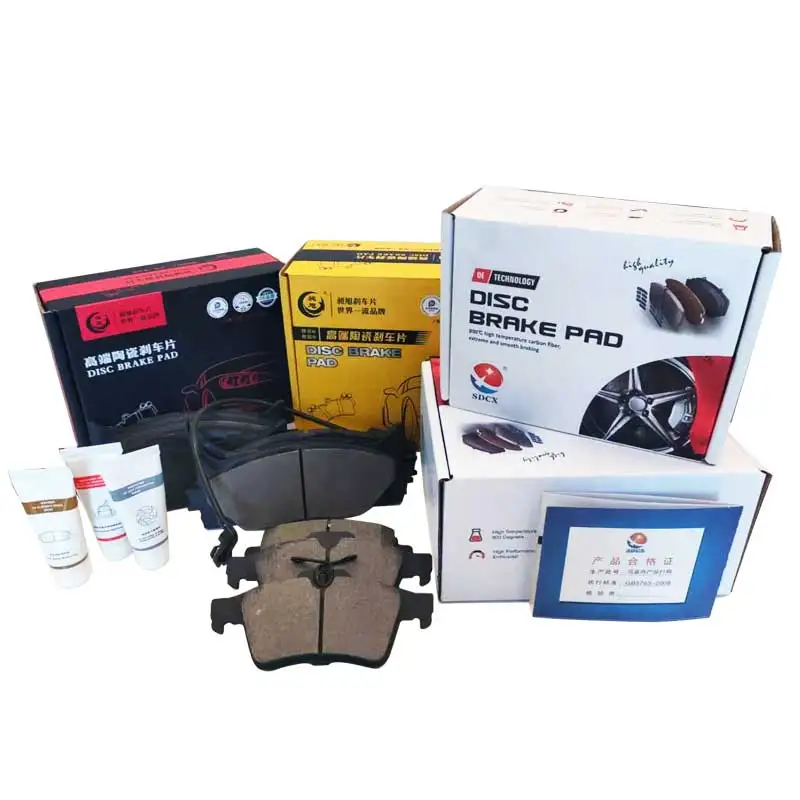
When it comes to vehicle braking systems, many focus on the brake pads and discs, but brake shoes play an equally crucial role—especially in drum brake systems. Despite being somewhat overshadowed by more modern disc brakes, brake shoes remain vital components in many vehicles, industrial Brake shoe machines, and even rail systems. This article dives deep into the function, design, types, and significance of brake shoes, highlighting why they are essential for safe and efficient braking.
What is a Brake Shoe?
A brake shoe is a curved friction material that presses against the inside surface of a brake drum to slow or stop a vehicle. Unlike brake pads, which operate in disc brake systems, brake shoes work inside a drum—a cylindrical component attached to the wheel hub.
The brake shoe consists of two primary parts: a metal backing plate and a friction lining bonded or riveted to it. When the driver applies the brake pedal, hydraulic or mechanical force pushes the brake shoes outward, making contact with the spinning drum. This contact generates friction, converting kinetic energy into heat and bringing the vehicle to a halt.
How Brake Shoes Work
The operation of brake shoes is elegantly simple yet highly effective:
Brake Activation: When the driver presses the brake pedal, hydraulic fluid or a mechanical linkage actuates a wheel cylinder inside the brake drum.
Expansion of Shoes: The wheel cylinder pushes the brake shoes outward against the inner surface of the rotating drum.
Friction Generation: The friction lining on the shoes grips the drum, creating resistance that slows the rotation.
Vehicle Deceleration: The friction converts kinetic energy into heat, slowing the wheels and stopping the vehicle.
When the brake pedal is released, return springs pull the shoes back to their resting position, away from the drum, allowing the wheel to spin freely.
Types of Brake Shoes
Brake shoes come in several designs to suit different vehicle types and braking requirements:
Leading and Trailing Shoes: In many drum brake assemblies, one shoe is designated as the leading shoe (which moves in the direction of drum rotation and provides more braking force), and the other is the trailing shoe.
Single Leading Shoe Brakes: Common in older vehicles, with one shoe providing most of the braking power.
Twin Leading Shoe Brakes: Used on the front wheels of some vehicles, offering stronger braking by using two leading shoes.
Self-Adjusting Brake Shoes: These automatically maintain proper clearance between the shoe and drum, reducing maintenance needs.
Materials and Construction
Brake shoes are typically made from sturdy steel backing plates covered with friction materials. Historically, asbestos was used as the friction material, but due to health concerns, modern brake shoes use safer alternatives like:
Organic compounds: Including rubber, glass, and resins.
Semi-metallic: Combining metals like copper or steel with organic materials.
Ceramic: Offering durability and reduced brake dust.
The choice of material affects braking performance, noise, longevity, and wear.
Advantages of Brake Shoes
Despite the rise of disc brakes, brake shoes offer several advantages:
Cost-Effectiveness: Drum brake systems with brake shoes are generally cheaper to manufacture and maintain.
Durability: Brake shoes tend to last longer than brake pads in certain applications.
Strong Holding Power: Drum brakes provide effective holding force, making brake shoes ideal for parking brakes.
Protection: The enclosed design protects brake shoes from dirt and moisture, reducing wear.
Common Applications
Brake shoes are still prevalent in:
Rear brakes of many passenger cars and trucks.
Heavy-duty vehicles like buses and commercial trucks.
Motorcycles and scooters.
Industrial machinery.
Railways and trams.
Maintenance and Replacement
Regular inspection of brake shoes is critical for vehicle safety. Signs that brake shoes need replacement include:
Reduced braking efficiency or longer stopping distances.
Unusual noises like grinding or squealing.
Vibration or pulsation during braking.
Visible wear or damage during mechanical inspection.
Replacing brake shoes timely ensures continued safety and prevents damage to brake drums.
Conclusion
Brake shoes may not be the flashiest component of modern braking systems, but their role is fundamental in ensuring safe, reliable stopping power. Whether in classic vehicles or heavy machinery, brake shoes combine simplicity, durability, and cost-effectiveness—qualities that keep them indispensable in the world of braking technology. Understanding how brake shoes work and maintaining them properly is key to enjoying smooth and secure rides.