
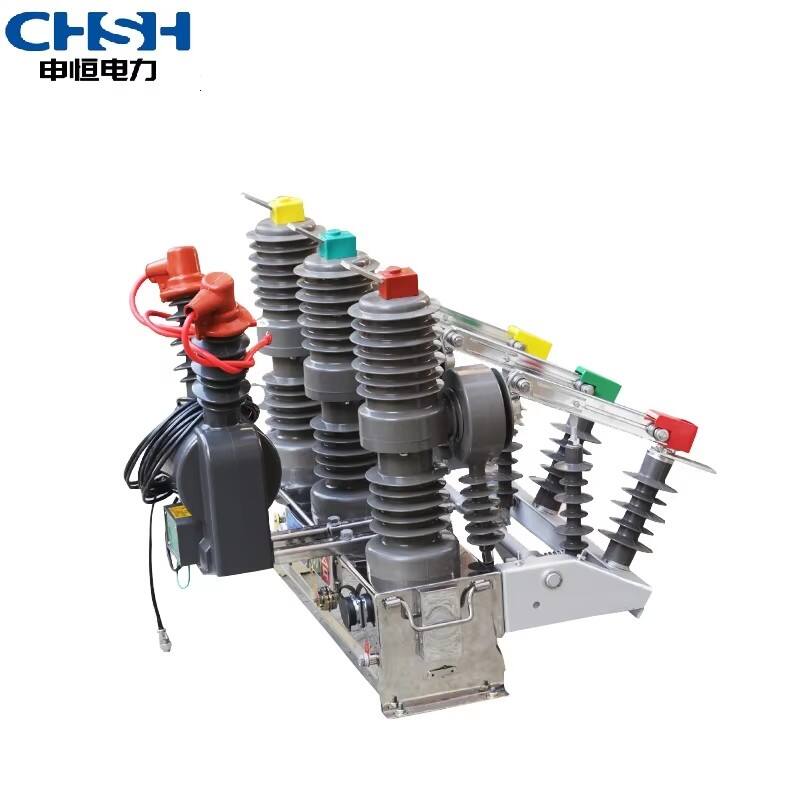
In today’s rapidly evolving electrical landscape, the importance of reliable, safe, and efficient power distribution cannot be overstated. At the heart of this system lies Low Voltage Switchgear (LV Switchgear)—a crucial component that manages, Low Voltage Switchgear protects, and controls electrical circuits operating at voltages typically below 1,000 volts AC. Though often overlooked, LV switchgear is indispensable in industrial, commercial, and residential electrical installations, ensuring both operational continuity and safety.
What is Low Voltage Switchgear?
Low Voltage Switchgear refers to a collection of switching devices and control equipment designed to handle electrical power at low voltage levels, generally up to 1,000 volts AC or 1,500 volts DC. It encompasses circuit breakers, contactors, relays, fuses, switches, and monitoring devices all housed within a protective enclosure.
Its primary role is to distribute electrical power efficiently, protect electrical circuits from faults such as overloads and short circuits, and facilitate maintenance by enabling isolation of electrical equipment.
The Anatomy of Low Voltage Switchgear
Low Voltage Switchgear can vary widely in complexity and configuration but typically includes the following components:
Circuit Breakers: Automatically interrupt current flow during faults.
Fuses: Provide protection by melting under excessive current.
Contactors: Electrically controlled switches used to control power circuits.
Relays: Detect abnormal conditions and trigger protective actions.
Busbars: Conduct electrical power within the panel.
Enclosures: Protect internal components from environmental and mechanical damage.
Why Low Voltage Switchgear Matters
Safety Assurance
LV switchgear acts as the first line of defense against electrical hazards. By rapidly disconnecting power during faults, it protects equipment and personnel from dangerous electrical faults such as short circuits and overloads.Operational Reliability
Ensuring uninterrupted power supply is critical in industries like manufacturing, healthcare, and data centers. LV switchgear enables quick isolation of faulty sections without affecting the entire system, thus minimizing downtime.Energy Efficiency & Monitoring
Modern LV switchgear comes equipped with smart metering and monitoring devices that provide real-time data on energy consumption and power quality, facilitating proactive maintenance and energy-saving strategies.
Types of Low Voltage Switchgear
Low voltage switchgear can be broadly classified based on installation and application:
MCC (Motor Control Centers): Specialized LV switchgear used primarily for controlling motors in industrial settings.
Distribution Boards: Commonly found in residential and commercial buildings, distributing power to various circuits.
Panelboards: Compact switchgear designed for smaller power distribution needs.
Custom Switchgear Assemblies: Tailored solutions for unique power distribution requirements in specialized environments.
Innovations Driving Low Voltage Switchgear Forward
The field of LV switchgear is undergoing a technological revolution, driven by demands for higher safety, efficiency, and integration with digital systems:
Smart Switchgear: Integration with IoT (Internet of Things) allows remote monitoring and predictive maintenance, reducing operational costs.
Eco-Friendly Designs: Use of environmentally friendly materials and SF6 alternatives in circuit breakers to minimize ecological impact.
Compact and Modular Designs: Facilitating easy installation and scalability, especially in urban and space-constrained environments.
Advanced Protection Technologies: Incorporation of digital relays and microprocessor-based controls enhances fault detection and system diagnostics.
Challenges and Future Outlook
Despite its critical role, the LV switchgear industry faces challenges such as aging infrastructure, increasing complexity of power systems, and the need for higher cybersecurity in smart systems. However, ongoing advancements in automation, AI-driven diagnostics, and sustainable engineering solutions promise a resilient future.
Conclusion
Low Voltage Switchgear may often be behind the scenes, but its role is paramount in the seamless delivery and safety of electrical power. As power demands grow and systems become more intelligent, LV switchgear is evolving into a sophisticated guardian of electrical networks—balancing safety, reliability, and efficiency in every circuit it controls.
Whether in sprawling industrial plants or everyday homes, this humble yet powerful technology remains a cornerstone of modern electrical engineering, quietly powering the world with unmatched precision and care.