
Introduction
Speech systems, also known as speech recognition or speech processing systems, are technologies that enable computers and devices to understand, interpret, and respond to human speech. These systems have transformed the way we interact with technology, allowing for more intuitive communication with machines. From voice assistants like Siri and Alexa to automated customer service solutions, speech systems are increasingly becoming integral in everyday life. In this article, we explore the different types of speech systems, their applications, how they work, and the future trends in speech technology.
What is a Speech System?
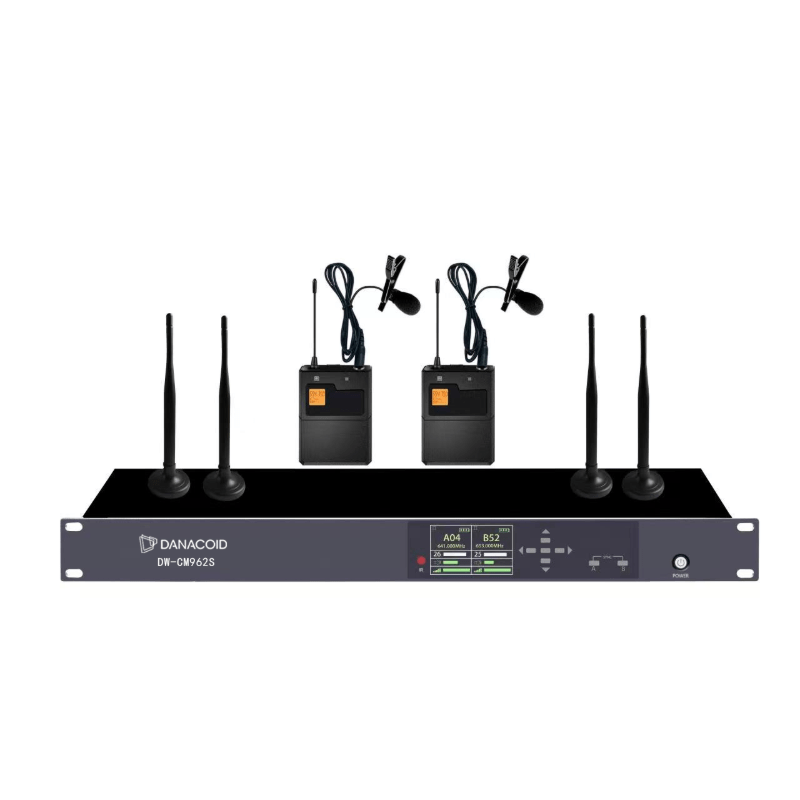
A speech system is a software and hardware platform designed to process and Speech system interpret human speech. These systems can either recognize speech and convert it into text (speech recognition) or generate human-like speech from text (speech synthesis). The technology behind these systems relies on complex algorithms, artificial intelligence (AI), and natural language processing (NLP) techniques that allow machines to comprehend spoken language.
There are primarily two components of speech systems:
- Speech Recognition: The process where a computer or machine translates spoken words into text.
- Speech Synthesis (Text-to-Speech): The process of generating human-like speech from text, often used for reading out text content or providing responses in voice-based interfaces.
Both components work together in various applications, including virtual assistants, transcription software, and accessibility tools.
How Speech Systems Work
1. Speech Recognition
Speech recognition is the process by which a system converts spoken language into written text. The system typically follows these steps:
- Sound Input: The microphone captures sound, and the system digitizes it into an audio signal.
- Signal Processing: The audio signal is analyzed and broken down into smaller components called phonemes, which are the smallest units of sound in speech.
- Feature Extraction: The system extracts relevant features from the sound signal to distinguish between different phonemes and words.
- Pattern Recognition: Using machine learning models, the system matches the extracted features to known patterns or words in its database.
- Text Output: Finally, the system outputs the recognized words as text.
Modern speech recognition systems, such as those used in virtual assistants, rely heavily on deep learning and neural networks to improve accuracy over time. The system gets better as it learns from more examples of speech, adapting to various accents, speech patterns, and noise conditions.
2. Speech Synthesis
Speech synthesis, or text-to-speech (TTS), refers to the generation of human-like speech from written text. The process involves several stages:
- Text Analysis: The system first processes the input text, breaking it down into components such as words, sentences, and punctuation.
- Linguistic Processing: The system analyzes the structure of the text, understanding the grammatical and contextual aspects to determine the appropriate tone, rhythm, and intonation.
- Phonetic Conversion: The system converts the processed text into phonetic units that represent speech sounds.
- Speech Generation: Finally, the system uses a speech synthesis engine (like concatenative or parametric synthesis) to generate the spoken words in a natural-sounding voice.
Advancements in TTS have led to the creation of lifelike voices that can mimic human emotion and natural conversation patterns.
Applications of Speech Systems
Speech systems have found applications across a wide range of industries and sectors. Here are some of the most prominent applications:
1. Virtual Assistants
Virtual assistants, such as Amazon’s Alexa, Apple’s Siri, Google Assistant, and Microsoft Cortana, are some of the most common examples of speech systems. These assistants rely on both speech recognition and synthesis to allow users to interact with their devices via voice commands. Whether it’s setting reminders, answering questions, or controlling smart devices, virtual assistants make it easier for users to complete tasks without needing to type or tap.
2. Customer Service
Automated customer service systems use speech recognition to interact with customers. These systems, also known as Interactive Voice Response (IVR) systems, allow customers to navigate phone menus, ask questions, and get answers without human intervention. For example, banks, airlines, and utility companies often use these systems to handle routine customer inquiries, saving time and resources.
3. Accessibility Tools
Speech systems play a critical role in making technology more accessible to individuals with disabilities. For people with visual impairments, text-to-speech systems can read aloud text on screens, enabling them to access digital content. Similarly, speech recognition software can assist individuals with mobility impairments by allowing them to control devices or write text without using a keyboard or mouse.
4. Healthcare
In the healthcare sector, speech recognition technology is used for medical transcription, where doctors can dictate patient notes directly into electronic health record systems. This eliminates the need for manual typing and speeds up documentation processes. Furthermore, speech systems are used in assistive devices for patients with speech disorders, such as stroke victims or individuals with Parkinson’s disease.
5. Language Translation
Speech systems are also used in real-time language translation tools. Services like Google Translate have integrated both speech recognition and speech synthesis to facilitate communication between people who speak different languages. Users can speak into their devices, and the system will instantly translate the speech and output the translation either in text or spoken form.
6. Education and Learning
In the field of education, speech systems are used to support language learning and assistive education tools. For example, TTS is widely used in e-learning platforms to read content aloud to students, helping with pronunciation and language comprehension. Additionally, speech recognition technology is used to assess language proficiency, particularly in pronunciation.
Advancements in Speech Systems
Over the past decade, there have been significant advancements in speech system technology, driven by developments in artificial intelligence and machine learning. Key advancements include:
1. Improved Accuracy
Speech recognition accuracy has improved significantly, thanks to the use of deep learning techniques, large datasets, and powerful computing resources. Modern systems can now recognize speech with impressive precision, even in noisy environments, and understand a wide range of accents and dialects.
2. Natural-Sounding Voices
Text-to-speech systems have become much more natural-sounding. Using neural networks and machine learning, modern TTS systems can generate voices that mimic human intonations, emotions, and even different speaking styles. This has made TTS systems more suitable for customer-facing applications, where a friendly, approachable voice is essential.
3. Multilingual Support
Many modern speech systems support multiple languages, allowing users to interact with devices in their preferred language. Real-time translation systems are also becoming more sophisticated, making it easier for people to communicate across language barriers.
4. Integration with IoT
With the rise of the Internet of Things (IoT), speech systems are increasingly integrated into everyday objects, from refrigerators and thermostats to cars and wearables. This enables users to control devices with their voice, creating smarter and more connected environments.
Future of Speech Systems
The future of speech systems is full of exciting possibilities. Here are some key trends to watch:
1. Voice Biometrics
Voice biometrics, which involves identifying individuals based on their voice, is expected to become a common feature in security systems. This technology can be used for authentication purposes, such as verifying the identity of a user when accessing banking apps or making transactions.
2. Emotional Recognition
Future speech systems will likely be able to detect and respond to emotions in a speaker’s voice. This could improve the way virtual assistants interact with users, making conversations more personalized and empathetic.
3. Multimodal Interaction
As speech systems evolve, we can expect greater integration with other modes of communication, such as gesture recognition, facial recognition, and touch input. Multimodal systems will offer a more seamless and flexible user experience.
Conclusion
Speech systems have come a long way in the past few years, and their applications are expanding rapidly across various industries. With continuous advancements in AI and machine learning, the capabilities of speech recognition and synthesis technologies are improving, making them more accurate, natural-sounding, and versatile. The future of speech systems promises even greater innovations, from multilingual support to emotional recognition, paving the way for more intelligent and human-like interactions between machines and humans.